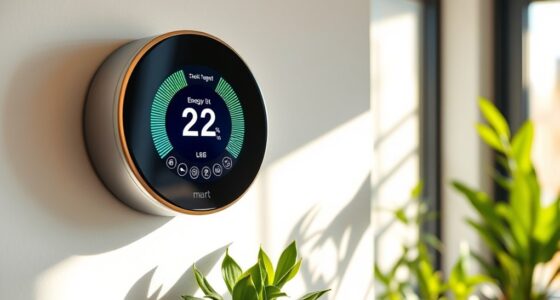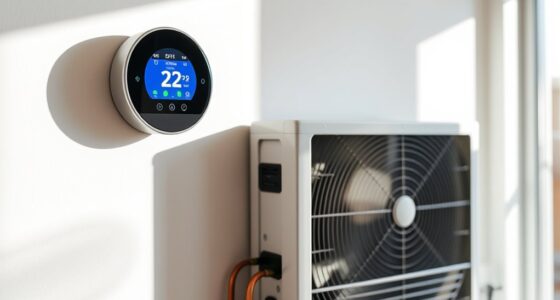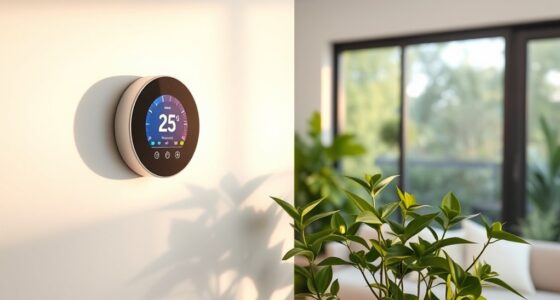

Reducing your HVAC run time lowers energy use and cuts harmful emissions, helping protect the environment. When your system runs less, it decreases reliance on fossil fuels like coal and natural gas, which produce greenhouse gases contributing to climate change. This not only benefits the planet but also lowers your household’s carbon footprint and utility bills. Continuing to explore this topic, you’ll discover how combining efficiency with renewable energy options can make an even bigger difference.
Key Takeaways
- Reducing HVAC operation decreases energy consumption, lowering reliance on fossil fuels and associated greenhouse gas emissions.
- Less HVAC use minimizes air pollution and particulate emissions from power plants.
- Efficient HVAC management helps reduce overall household carbon footprint and environmental impact.
- Lower energy demand from HVAC systems lessens strain on energy infrastructure, supporting sustainable grid use.
- Combining reduced HVAC run time with renewable energy sources amplifies environmental benefits and promotes ecological health.
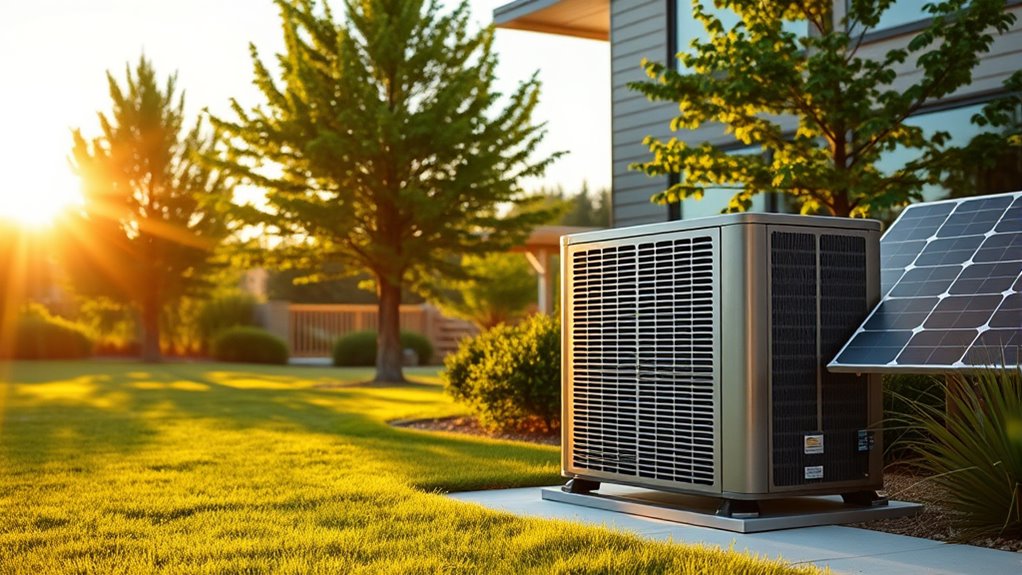
Reducing the run time of your HVAC system can considerably benefit the environment by lowering energy consumption. When your system runs less frequently, you rely less on electricity generated from fossil fuels, which are the primary sources of greenhouse gas emissions. By cutting back on HVAC use, you help decrease your overall carbon footprint, making a tangible difference in combating climate change. This small change in your daily routine can have a ripple effect, especially if you choose to complement it with renewable energy sources. Installing solar panels or opting for green energy plans guarantees that the electricity your home consumes comes from cleaner, sustainable sources. This synergy between reduced HVAC operation and renewable energy use amplifies your positive environmental impact.
Every hour your HVAC system runs, it consumes a significant amount of energy, much of which is still produced by burning coal, natural gas, or oil. These processes emit carbon dioxide and other pollutants that trap heat in the atmosphere, exacerbating global warming. By managing your system more efficiently—such as setting your thermostat at ideal temperatures, sealing leaks, and maintaining your equipment—you can further reduce unnecessary operation. This translates to fewer emissions and a smaller carbon footprint for your household. It’s not just about saving money on utility bills; it’s about actively reducing your impact on the planet.
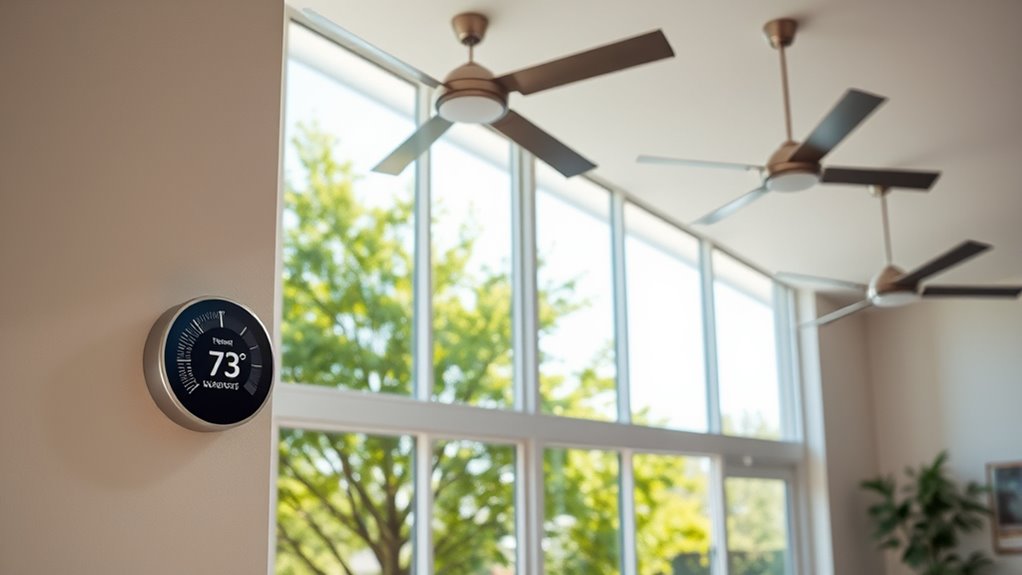
Reducing HVAC run time also encourages you to think more holistically about your energy habits. Incorporating energy-efficient appliances, improving insulation, and using smart thermostats can help maintain comfort with less frequent system use. These steps not only lower your energy demand but also contribute to a more sustainable lifestyle. When you prioritize renewable energy options, like wind or solar, you diminish dependence on fossil fuels, which are finite and environmentally damaging. This transition is vital for long-term ecological health and aligns with global efforts to shift toward cleaner, renewable energy sources.
In the end, every effort counts. By consciously reducing your HVAC run time and supporting renewable energy initiatives, you’re actively lowering your household’s carbon footprint. It’s a proactive way to participate in environmental stewardship without sacrificing comfort or convenience. Small adjustments in how and when you use your HVAC system ripple outward, encouraging a more sustainable future and lessening the strain on our planet’s resources. Your choices add up, making a meaningful difference in creating a healthier, greener environment for generations to come.
Frequently Asked Questions
How Does Reduced HVAC Run Time Affect Indoor Air Quality?
Reducing HVAC run time can impact indoor air quality by limiting ventilation, which may cause indoor air to become stale or polluted. You might notice increased indoor pollutants or odors if ventilation quality drops. To maintain healthy air, verify your system still provides adequate fresh air exchange, or consider supplementing with air purifiers. Proper balance keeps indoor air clean and comfortable, even with shorter HVAC operation periods.
Can Decreasing HVAC Use Save Money on Maintenance Costs?
Yes, decreasing HVAC use can save you money on maintenance costs. When you run your system less often, it experiences less wear and tear, reducing the likelihood of breakdowns and costly repairs. This leads to significant cost savings over time. Additionally, less frequent operation means fewer filter replacements and less strain on components, helping you maintain your system more efficiently and extend its lifespan.
What Are the Best Practices for Safely Reducing HVAC Operation?
To safely reduce HVAC operation, start by installing a smart thermostat to precisely control temperatures and schedules. Regularly optimize airflow by cleaning filters and ensuring vents are unobstructed. Set your thermostat to energy-saving modes during unoccupied hours and adjust settings gradually to prevent system strain. These practices help cut energy use, protect your system’s longevity, and contribute to environmental benefits without sacrificing comfort.
How Does HVAC Reduction Impact Energy Grids During Peak Times?
A stitch in time saves nine, and reducing HVAC during peak times can substantially ease energy demand. When you cut back on HVAC use during these periods, you help maintain grid stability, preventing overloads and potential outages. Your actions lessen stress on the energy grid, making it more resilient. This not only benefits the environment but also ensures reliable power for everyone, especially when energy demand peaks.
Are There Specific Climates Where Reducing HVAC Run Time Is Less Effective?
In extremely humid or cold climates, reducing HVAC run time may be less effective because maintaining comfortable indoor temperatures is more challenging. You should focus on climate-specific strategies that address these conditions, like advanced insulation or dehumidification. Regional energy policies can also influence the effectiveness of reduction efforts, so tailoring your approach to local regulations and climate realities guarantees better results and maximizes environmental benefits.
Conclusion
By reducing your HVAC run time, you not only save energy but also act as a guardian of our planet’s future. Every minimized cycle is a step away from pollution and toward sustainability. Think of your efforts as a ripple—small actions that, when combined, create a tidal wave of change. Embrace this power, and watch how your choices echo beyond your home, shaping a cleaner, greener world for generations to come.