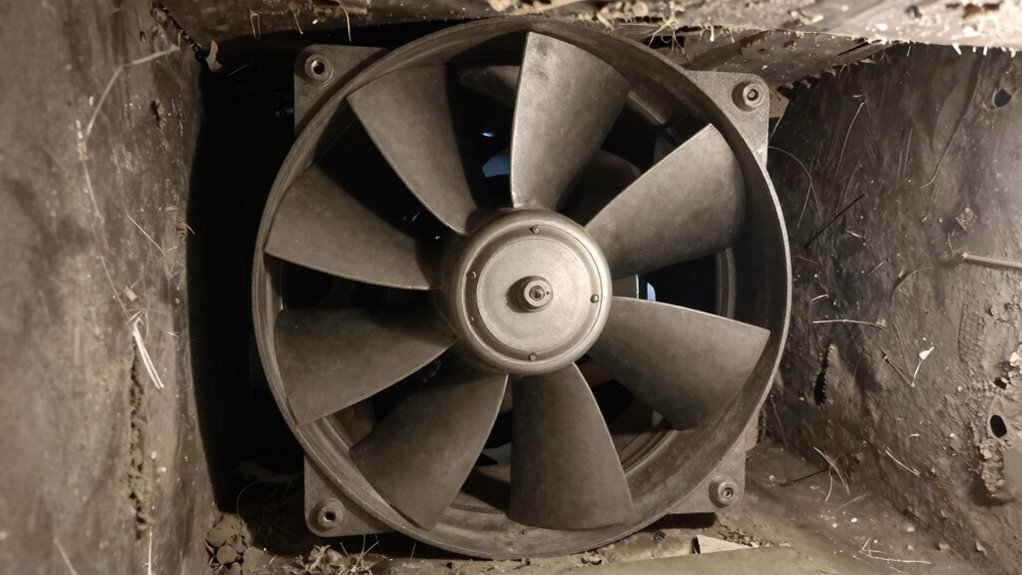

Register booster fans aren’t a magic fix because they only address uneven airflow in specific rooms, not underlying system issues. They can help improve comfort temporarily but often don’t notably boost overall HVAC efficiency or energy savings. Running continuously, they may increase your energy costs and wear on the system. To truly fix airflow problems, you need a professional assessment and proper system upgrades. Keep exploring to discover effective solutions that deliver lasting comfort.

Get home appliances delivered free with Prime
- Fast, free delivery on millions of items
- Prime Video, Amazon Music and more included
- Member-only deals all year
Key Takeaways
- Booster fans often provide only temporary relief without addressing underlying airflow or system balance issues.
- They can increase energy consumption and strain the HVAC system if used improperly or continuously.
- Proper duct sealing, insulation, and system calibration are more effective for long-term airflow improvements.
- Booster fans may help specific rooms temporarily but won’t fix overall HVAC efficiency or consistent comfort.
- Professional assessment and system upgrades are essential for sustainable, long-lasting home comfort improvements.
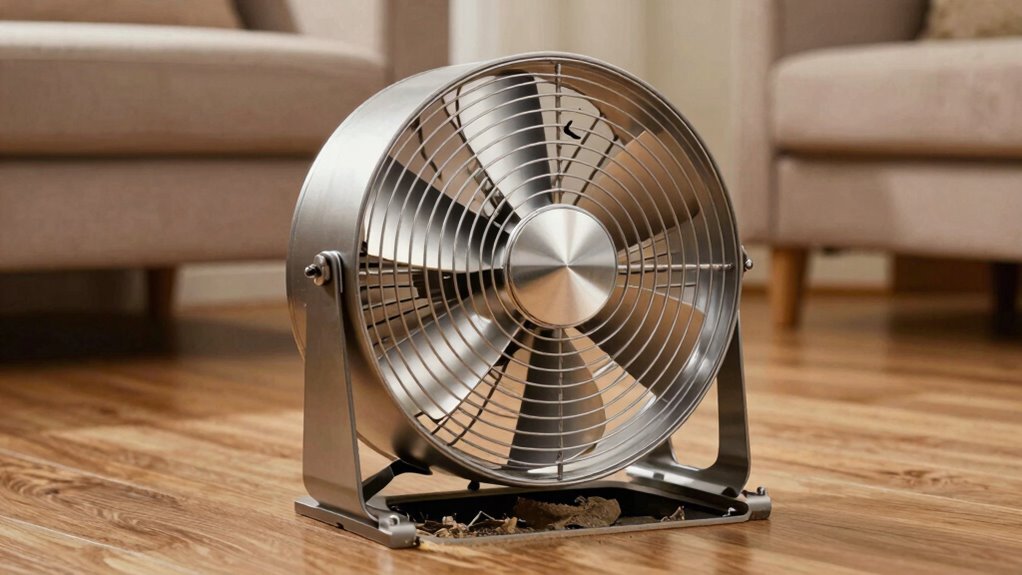
Register booster fans are often marketed as quick fixes for uneven airflow and temperature issues, but they rarely deliver the dramatic results homeowners expect. These devices are designed to push more air into specific rooms, promising to improve comfort and balance out heating or cooling. However, their impact on airflow efficiency is often limited. While they might increase the amount of air reaching a particular space, they don’t necessarily improve the overall system’s ability to distribute air evenly throughout your home. Instead, they can sometimes create pressure imbalances that reduce the efficiency of your HVAC system, leading to higher energy consumption.
Booster fans often fall short, causing pressure imbalances and increasing energy use instead of improving whole-home airflow.
You might think that installing a booster fan will cut down on your energy costs, but that’s not always the case. Because these fans run continuously or frequently, they can add to your energy consumption rather than reduce it. If your HVAC system already struggles to distribute conditioned air effectively, adding a booster fan may cause your system to work harder to compensate for the increased airflow. This increased workload results in more energy use, which can negate any perceived benefits. In some situations, the added strain on your system might even accelerate wear and tear, leading to more frequent repairs and higher long-term costs.
It’s tempting to believe that a simple device can fix complex airflow problems, but true airflow efficiency depends on a well-designed and properly balanced HVAC system. Often, the root cause of uneven airflow isn’t a lack of pressure but faulty ductwork, improper system calibration, or inadequate insulation. Proper duct sealing, insulation, and calibration are more effective at ensuring your HVAC operates efficiently and keeps energy consumption in check. Additionally, understanding airflow dynamics can help you make more informed decisions about your system’s performance and potential upgrades. Moreover, seeking professional assessment can identify underlying issues that booster fans cannot address effectively. Recognizing system limitations is also vital in understanding why these fans might not achieve the desired results.
While booster fans aren’t a magic solution, they can still offer some benefits if used appropriately. When installed in specific situations—like a room that’s consistently colder or hotter than the rest—they can help improve comfort temporarily. Just keep in mind that they’re not a substitute for a properly maintained and balanced HVAC system. If you’re looking for lasting improvements in airflow and energy savings, focus on system upgrades and professional tuning rather than relying solely on booster fans. These fans might help in certain circumstances, but don’t expect them to transform your entire home’s comfort or *substantially* cut your energy bills.
Products Worth Considering

LEVOIT Air Purifier for Home, Pets, Bedroom, Smart WiFi

Philips Hue Secure Starter Kit with Contact Sensors, Motion Sensor, Bridge, and Color Smart Bulbs

Levoit Vital 100S-P Air Purifier for Home and Pets
As an affiliate, we earn on qualifying purchases.
Frequently Asked Questions
How Do Booster Fans Impact Overall Energy Consumption?
Booster fans can improve energy efficiency by helping your HVAC system distribute air more evenly, reducing the workload on your main system. This can lead to cost savings over time, as your system doesn’t have to work as hard to heat or cool your space. However, if not used properly, they might increase energy consumption. Proper installation and usage guarantee they support your system without adding unnecessary energy costs.
Are Booster Fans Suitable for All Types of Heating Systems?
You might worry booster fans aren’t compatible with your heating system, but they’re often suitable if airflow optimization is needed. While they aren’t a one-size-fits-all solution, booster fans work best with systems designed for improved airflow. Always check system compatibility first, as improper use could cause inefficiencies. When properly installed, booster fans can boost comfort and efficiency, making your heating system more effective without overhauling it entirely.
What Maintenance Is Required for Register Booster Fans?
You should regularly check your register booster fans for reliable performance. This includes air filter maintenance, replacing or cleaning filters to prevent dust buildup and guarantee good airflow. Additionally, you need to clean the fan blades to remove dust and debris that can reduce efficiency. By performing these routine tasks, you help the booster fan operate smoothly, improve heating distribution, and extend its lifespan.
Can Booster Fans Reduce Cold Spots in Large Rooms?
You’ll be pleased to know that booster fans can substantially reduce cold spots in large rooms. Imagine improving air circulation by up to 30%, leading to more consistent temperature distribution. These fans help achieve better temperature uniformity, ensuring every corner feels just as comfortable. While they aren’t a cure-all, booster fans are a practical way to optimize your heating system and create a more evenly heated space.
How Loud Are Typical Booster Fans During Operation?
Typical booster fans produce noise levels around 40 to 60 decibels, which is comparable to a quiet conversation or background music. During operation, you might notice a moderate hum, but it’s generally not loud enough to disturb your daily activities. Sound comparisons show they’re quieter than most household appliances like dishwashers or vacuum cleaners, making them manageable in most home environments.
Conclusion
While register booster fans aren’t a secret solution to all your airflow woes, they can gently nudge your heating and cooling system in the right direction. Think of them as friendly assistants rather than miracle workers—helping to spread comfort more evenly without promising to solve every chilly or stuffy corner. With a little patience and proper use, these fans can be a subtle yet helpful part of your home’s comfort toolkit, making your environment feel just a bit more welcoming.