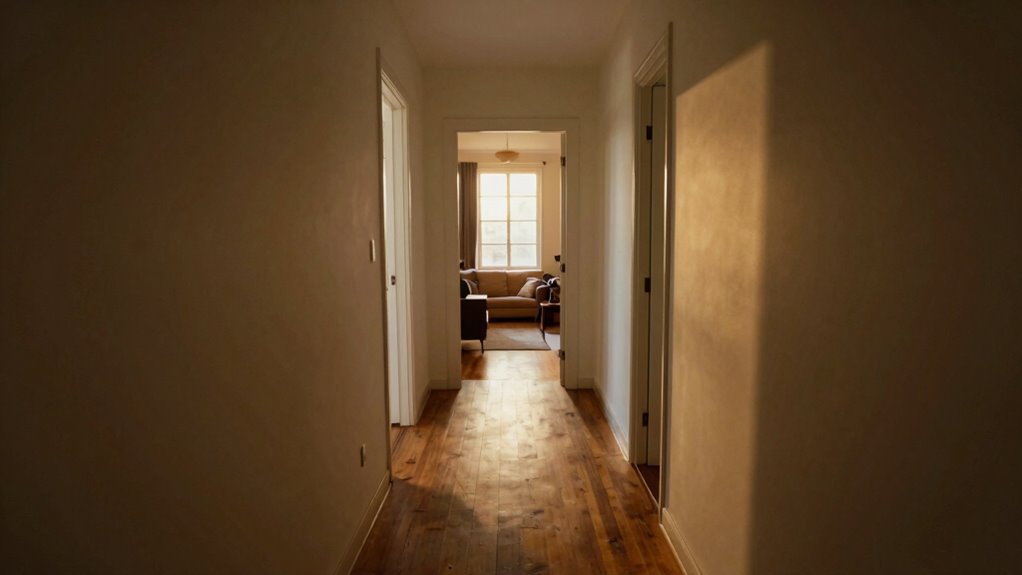

Hallways can distort your home’s climate control by disrupting airflow and creating temperature inconsistencies. Their design, whether long or narrow, can trap air and lead to stagnant zones. Door placements further influence how air moves, causing inefficiencies in your HVAC system. You might notice stuffy hallways or warm spots that make keeping your home comfortable a challenge. Focusing on hallway improvements can address these issues, enhancing your overall comfort throughout the house. Discover more strategies to optimize airflow.

Get home appliances delivered free with Prime
- Fast, free delivery on millions of items
- Prime Video, Amazon Music and more included
- Member-only deals all year
Key Takeaways
- Hallways can trap air, creating stagnant zones that disrupt overall airflow and lead to uneven temperatures in adjacent rooms.
- Direct sunlight warming hallways more than shaded areas causes temperature gradients, forcing HVAC systems to work harder to maintain balance.
- Poorly designed hallways often lead to inefficient energy usage, as stagnant zones hinder consistent temperature maintenance throughout the home.
- Airflow patterns are significantly influenced by door placements, where closed doors can obstruct circulation and exacerbate temperature imbalances.
- Improving ventilation and circulation in hallways enhances overall home comfort and contributes to more effective climate control.
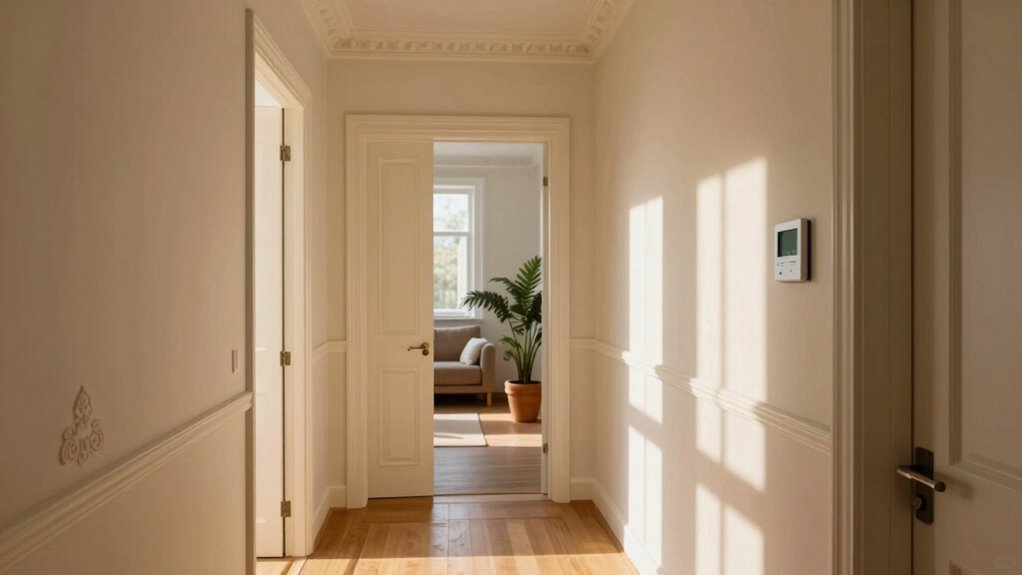
When you step into a hallway, you might not think about how vital it is for climate control. However, hallways play an essential role in how air moves throughout your home. If you’ve ever noticed uneven temperatures in different rooms, that’s often due to the way hallways affect airflow patterns. The design and layout of these spaces can greatly influence how effectively your heating and cooling systems work.
When you open a door to a room, air is drawn in or pushed out, creating airflow patterns that can either enhance or hinder climate control. In homes with long or narrow hallways, air can get trapped, leading to stagnant zones where temperature gradients develop. This means some areas might feel warm while others remain chilly, causing discomfort and inefficient energy usage. If the hallway is too narrow or poorly insulated, it can exacerbate these issues, making it harder for your HVAC system to maintain a consistent temperature.
Temperature gradients can also occur due to how sunlight enters your home. Hallways that receive direct sunlight during specific times of the day can become warmer than rooms that stay in the shade. This uneven heating can disrupt the airflow, forcing your HVAC system to work harder to balance the temperature across your living space. If you notice that your hallway feels stuffy or excessively warm, it’s a sign that the airflow patterns are not functioning at their best. Proper airflow management can help mitigate these issues and promote better climate consistency. Additionally, incorporating ventilation techniques can further improve air circulation and temperature regulation.
Improving air circulation in your hallway with fans or vents can further enhance overall airflow and temperature balance. Additionally, considering door placement and whether doors are kept open or closed can significantly influence how air moves through the space, ultimately affecting your home’s climate stability. To improve climate control in your home, consider how your hallway is affecting airflow patterns. You might want to keep doors open when possible to promote better air circulation or invest in air vents that can help distribute air more evenly. By addressing these issues, you’ll create a more balanced atmosphere throughout your home, ensuring that every room feels just right. Remember, even the seemingly mundane spaces like hallways can have a considerable impact on your overall comfort.
As an affiliate, we earn on qualifying purchases.
Frequently Asked Questions
How Do Different Flooring Materials Affect Indoor Temperature?
Different flooring types greatly impact indoor temperature regulation. For instance, tile and concrete have high thermal conductivity, absorbing and retaining heat, which can make your space feel warmer. On the other hand, carpets offer insulation, helping maintain comfort levels by preventing heat loss. When choosing flooring, consider how each material interacts with your home’s overall climate control. The right choice can enhance your comfort and improve energy efficiency throughout your living space.
Can Plants Improve Indoor Air Quality and Temperature?
Think of air purifying plants as nature’s little air conditioners. They can definitely improve indoor air quality and even help with temperature regulation. By absorbing toxins and releasing oxygen, these green companions enhance your environment. Plus, they contribute to humidity control, which keeps the air feeling fresh and comfortable. So, adding a few plants not only beautifies your space but also creates a healthier atmosphere for you to enjoy.
What Role Does Insulation Play in Climate Control?
Insulation plays an essential role in climate control by minimizing heat transfer between your home and the outdoors. Different insulation types, like fiberglass or spray foam, can effectively reduce energy loss. When you have inadequate insulation, thermal bridging occurs, allowing heat to escape or enter through structural elements. By choosing the right insulation, you can maintain a consistent indoor temperature, improve comfort, and lower energy bills. It’s all about keeping your space energy-efficient.
How Often Should HVAC Systems Be Serviced?
You might think servicing your HVAC system isn’t that important, but it’s vital for efficiency. You should have it serviced at least once a year. Regular maintenance keeps your system running smoothly, ensuring better air quality. Don’t forget about filter maintenance and duct cleaning; they help prevent buildup and improve airflow. Keeping up with these tasks not only enhances comfort but can also save you money on energy bills in the long run.
Do Window Treatments Impact Home Temperature Regulation?
Yes, window treatments greatly impact home temperature regulation. By using thermal curtains or solar shades, you can enhance energy efficiency and better control light. These treatments help block heat during summer and retain warmth in winter, creating a comfortable environment. Additionally, they offer privacy features that further contribute to your home’s overall climate management. So, choosing the right window treatments can make a noticeable difference in your indoor temperatures.
As an affiliate, we earn on qualifying purchases.
Conclusion
In summary, hallways play an essential role in your home’s climate control, often acting as barriers to proper airflow. Did you know that around 30% of a home’s heat can get trapped in hallways? This statistic highlights just how significant these spaces are in maintaining an even temperature throughout your home. By understanding this, you can take steps to optimize your HVAC system, ensuring every corner of your home stays comfortable year-round.
air circulation fans for hallways
As an affiliate, we earn on qualifying purchases.
As an affiliate, we earn on qualifying purchases.
door gap vents for better airflow
As an affiliate, we earn on qualifying purchases.
As an affiliate, we earn on qualifying purchases.
Fall yard work Picks
leaf blowers
As an affiliate, we earn on qualifying purchases.