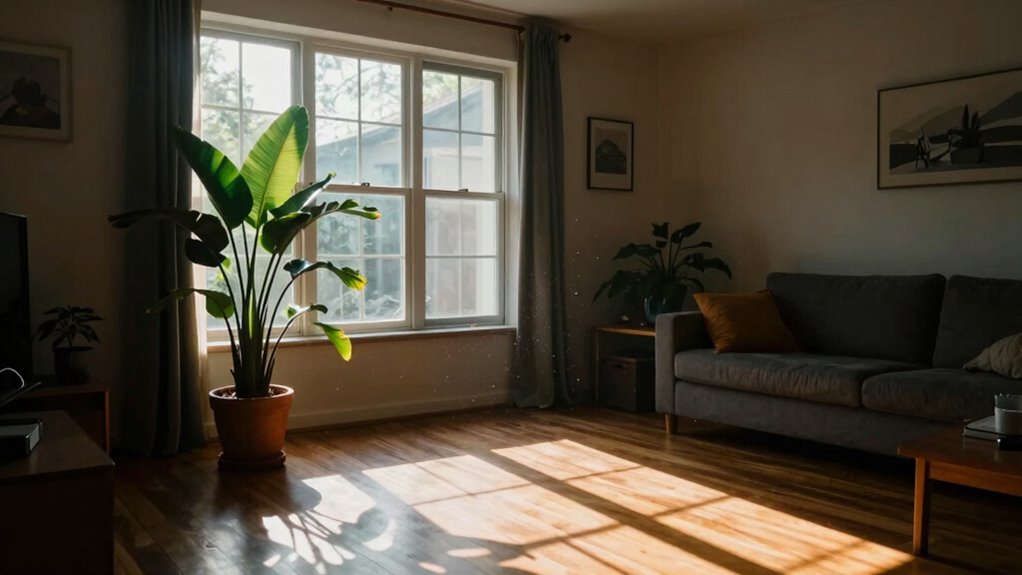
Window exposure shapes your indoor temperature patterns by controlling how much sunlight enters your home. South-facing windows catch more sun, warming your space in winter, while north-facing ones receive less light, keeping it cooler. Proper insulation helps maintain comfort, reducing heat loss in colder months and excess gain in summer. By managing solar gain and ventilation, you can create a balanced indoor environment. Discover more strategies to enhance your home’s comfort and efficiency.

Get home appliances delivered free with Prime
- Fast, free delivery on millions of items
- Prime Video, Amazon Music and more included
- Member-only deals all year
Key Takeaways
- South-facing windows capture maximum sunlight, warming living areas during winter and influencing daily temperature patterns.
- North-facing windows receive minimal sunlight, resulting in cooler indoor temperatures and requiring increased heating efforts.
- Well-insulated windows reduce heat loss in winter and heat gain in summer, stabilizing indoor temperatures effectively.
- Effective shading techniques, like blinds or awnings, help mitigate excessive solar gain, maintaining comfortable indoor conditions.
- Building orientation affects sunlight exposure throughout the day, directly influencing indoor temperature fluctuations and comfort levels.
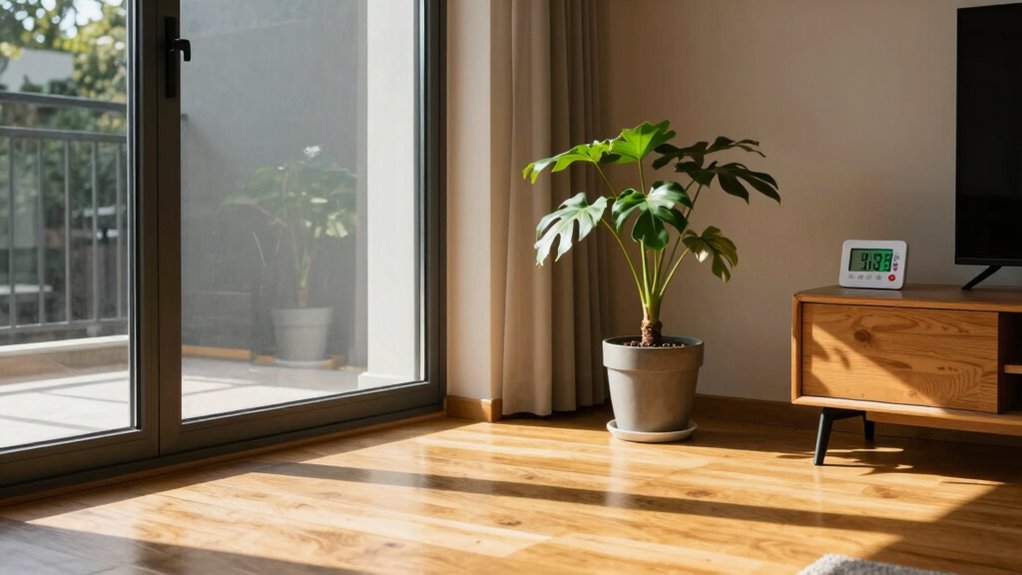
When you think about how much sunlight your windows let in, consider how it affects the indoor temperature of your home. The concept of solar gain plays a crucial role in this. Solar gain refers to the increase in temperature within a space caused by sunlight hitting the windows. This gain can enhance your home’s thermal comfort during colder months, allowing you to rely less on heating systems. However, too much solar gain can lead to overheating in summer, impacting your comfort and increasing energy costs.
Consider how sunlight through your windows impacts indoor temperatures; solar gain can enhance winter comfort but may cause summer overheating.
Daylight impact isn’t just about aesthetics; it directly influences how your home feels throughout the day. The position of your windows matters greatly. South-facing windows capture more sunlight, especially in winter, while north-facing ones receive less direct sunlight. This orientation can lead to seasonal variation in indoor temperature, affecting how you manage your heating and cooling strategies. If you have large windows on the south side, you might find your living area warmer during the day, while the north side could feel cooler.
To maintain energy efficiency, it’s essential to think about material insulation too. Well-insulated windows can help reduce heat loss in winter and minimize heat gain in summer. Double-glazed windows, for instance, provide better insulation than single-pane ones, helping you maintain a comfortable indoor climate year-round. This insulation can greatly lessen the load on your HVAC system, leading to cost savings on energy bills. Additionally, window insulation techniques can further improve your home’s energy performance. Properly managing solar gain can help you balance natural light and temperature regulation effectively.
Ventilation strategies also come into play when considering window exposure. In the summer, you might want to open windows during cooler evening hours to let in fresh air, which helps mitigate high indoor temperatures. Combining this with proper shading techniques, like using awnings or blinds, can further enhance your comfort by reducing unwanted solar gain. Additionally, understanding indoor air quality can help you optimize ventilation strategies to improve overall home comfort. Incorporating smart ventilation solutions can also assist in maintaining a healthy indoor environment while managing temperature fluctuations. Moreover, considering home orientation can significantly influence how effectively you manage natural light and temperature, making your strategies more efficient.
Ultimately, your home’s building orientation plays a pivotal role in how you experience daily temperature patterns. By understanding these factors and implementing appropriate strategies, you can create a living space that maximizes thermal comfort while minimizing energy consumption. So, next time you assess your window exposure, remember that it’s not just about aesthetics; it’s about crafting a home that feels just right, no matter the season. Embracing these elements will help you achieve a harmonious balance between light, temperature, and energy efficiency.
Products Worth Considering

LEVOIT Vital 200S-P Smart Air Purifier for Large Rooms

Philips Hue Festavia 130-Foot Indoor/Outdoor Smart String Lights, 500 LEDs

TCL T7 Series 85-Inch 4K 144Hz QLED Smart Google TV
As an affiliate, we earn on qualifying purchases.
Frequently Asked Questions
How Do Window Types Affect Indoor Temperature Variations?
Window types greatly affect indoor temperature variations. When you choose energy-efficient window materials, like double or triple glazing, you reduce heat transfer, keeping your space cooler in summer and warmer in winter. On the other hand, single-pane windows can lead to higher solar gain, making rooms uncomfortably hot. By selecting the right windows, you can manage indoor temperatures effectively, enhancing comfort and potentially lowering energy costs.
What Role Does Window Insulation Play in Temperature Control?
Window insulation plays an essential role in temperature control, enhancing energy efficiency and minimizing thermal bridging. When you improve insulation, you keep your home warmer in winter and cooler in summer. By sealing gaps and using double or triple glazing, you reduce heat loss and gain effectively. This means your heating and cooling systems don’t have to work as hard, saving you money and ensuring a more comfortable indoor environment year-round.
Can Indoor Plants Influence Temperature Patterns Near Windows?
Yes, indoor plants can influence temperature patterns near windows. When you strategically place them, they enhance light absorption, which helps regulate heat. Plants also increase humidity levels, making the air feel cooler and more comfortable. Their heat retention properties can create a microclimate, mitigating extreme temperature fluctuations. By choosing the right plants and positioning them thoughtfully, you can optimize your indoor environment and enjoy a more stable temperature near your windows.
How Do Outdoor Weather Conditions Impact Indoor Temperatures?
Outdoor weather conditions markedly impact indoor temperatures. For instance, high humidity levels can make your space feel warmer, even if the thermostat reads lower. Seasonal variations also play an essential role; in winter, cold air can seep in through gaps, chilling your home. Conversely, summer sun can heat up your rooms quickly, especially if you’ve got windows facing the sun. Adjusting blinds or using fans can help manage these effects effectively.
Are There Specific Times of Day When Temperature Changes Are Most Significant?
Ever notice how a room can feel like a furnace in the morning and chilly by evening? You’ll find temperature changes are most significant around these times. In the morning, sunlight pours in, creating that cozy warmth, while by evening, the sun sets, and cooler air seeps in. Pay attention to these shifts; they can guide you in managing your indoor climate for comfort throughout the day.
Conclusion
You might think window exposure doesn’t matter much, but it plays an essential role in shaping indoor temperature patterns. By understanding how sunlight interacts with your space, you can optimize comfort and energy efficiency. Adjusting curtains, choosing the right window treatments, or even relocating furniture can make a significant difference. So, don’t overlook the power of your windows—embracing their potential can transform your daily indoor climate and enhance your living experience.