Before buying a humidifier, check if your furnace has a compatible connection point like a bypass or fan-powered port, along with water line access and a humidifier filter slot. Make certain your system supports humidity control through your thermostat, and verify compatibility with parts like the plenum and control board. If not, you might need upgrades or professional help to confirm proper installation and efficiency. Keep going to discover how to confirm all these details effectively.

Get home appliances delivered free with Prime
- Fast, free delivery on millions of items
- Prime Video, Amazon Music and more included
- Member-only deals all year
Key Takeaways
- Verify if your furnace has dedicated water line ports or connection points for humidifier installation.
- Confirm compatibility with your furnace type, especially for older models, high-efficiency, or electric systems.
- Check for a suitable plenum space and ductwork connections to integrate the humidifier properly.
- Ensure your thermostat supports humidity control for seamless operation with the humidifier.
- Consult manufacturer guidelines or a professional to confirm all necessary wiring, water, and airflow connections.
Products Worth Considering

Levoit Core 400S-P Smart Air Purifier for Large Rooms up to 1718 ft²

Levoit Air Purifier for Home, Pets, Bedroom – Smart Wi‑Fi for Large Rooms

Philips Hue Bridge Pro Starter Kit with 4 A19 E26 Color Smart Bulbs
As an affiliate, we earn on qualifying purchases.
Why Furnace Compatibility Matters for Your Humidifier
Your furnace’s compatibility with a humidifier is essential because not all humidifiers work with every heating system. Ensuring compatibility influences both humidifier aesthetics and air quality improvement. A well-matched humidifier seamlessly integrates into your system, maintaining a sleek appearance without clutter. If incompatible, it could disrupt airflow or cause operational issues, reducing effectiveness. Proper compatibility guarantees your humidifier functions efficiently, helping to improve indoor air quality by adding moisture where needed. This not only makes your space more comfortable but also prevents issues like dry skin or respiratory irritation. Before buying, consider your furnace type and existing setup to select a humidifier that enhances your system’s performance and maintains a cohesive look. Compatibility is the key to maximizing both style and health benefits, especially since furnace compatibility can significantly impact overall performance. Understanding your HVAC system is crucial to choosing the right humidifier and ensuring it works harmoniously with your existing setup. Additionally, being aware of your system compatibility can help you avoid costly mistakes and ensure long-term efficiency. Knowing the humidifier type that best suits your system can also streamline installation and future maintenance. A thorough understanding of humidifier compatibility can save you time and money in the long run.
How Your Heating System Affects Humidifier Installation Options
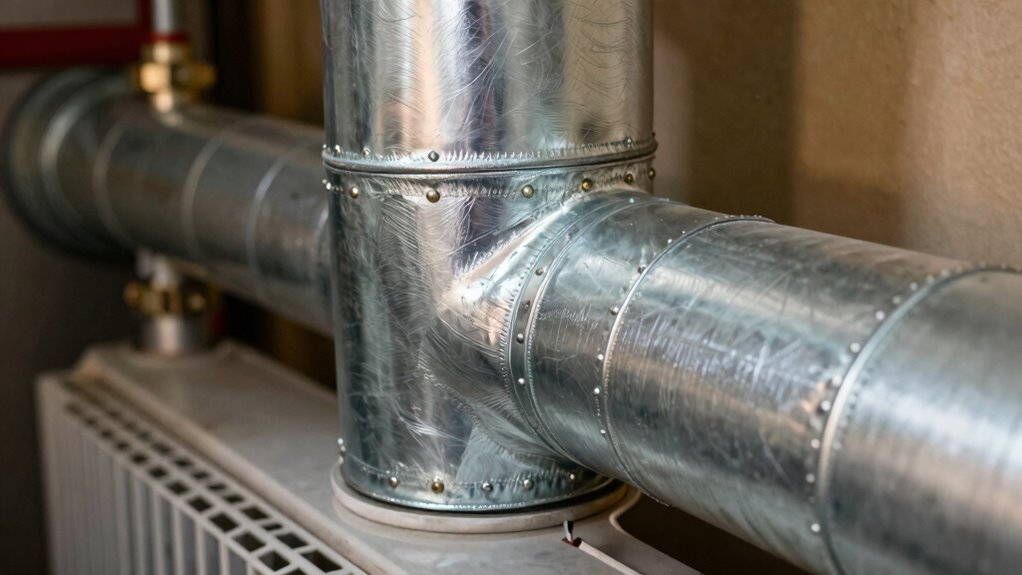
The type of heating system you have directly influences which humidifier installation options are available and practical. For example, central forced-air systems often support bypass or fan-assisted humidifiers, which tend to be more efficient and easier to install. In contrast, baseboard or radiator systems may require different solutions, potentially limiting options and affecting humidifier efficiency. Thermostat compatibility also plays a vital role; some humidifiers work seamlessly with smart thermostats, enabling better control, while others may require additional wiring or adjustments. Understanding your heating system helps you choose the right humidifier that maximizes efficiency and integrates smoothly with your existing setup, ensuring reliable performance without unnecessary modifications. Knowing your system type can help you make more informed decisions about humidifier compatibility and installation options. Additionally, being aware of your system’s compatibility with digital controls can help you select a humidifier that offers enhanced automation and energy savings. Recognizing the type of heating system you have is essential for determining the most suitable humidifier type and installation method. Properly assessing your system can also prevent potential issues related to humidifier efficiency and ensure optimal operation. To further optimize your setup, considering the efficiency of different humidifier types can lead to better energy management and comfort.
How to Check If Your Furnace Supports a Humidifier
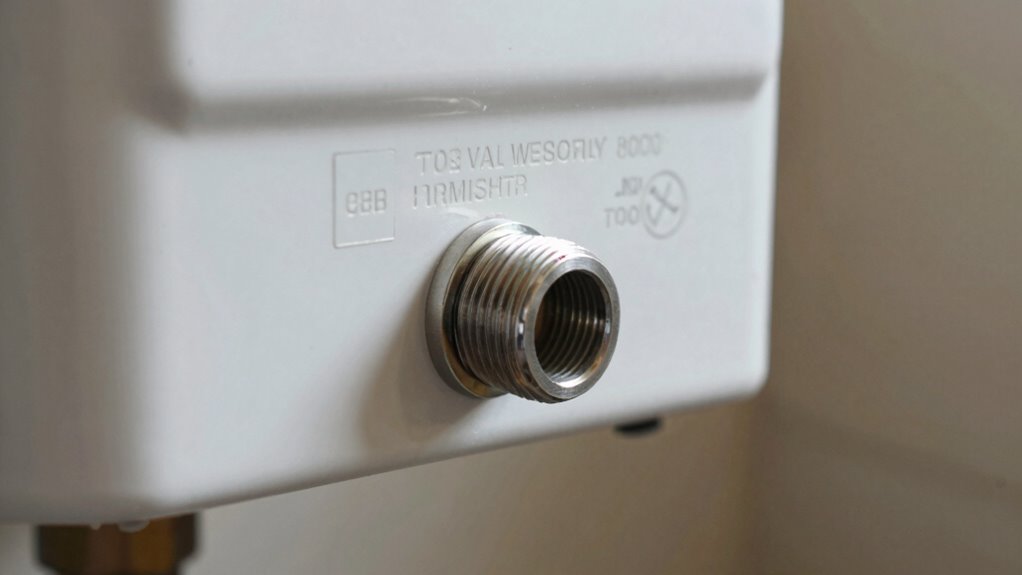
Wondering if your furnace can support a humidifier? First, check if your furnace has a dedicated bypass or fan-powered humidifier connection. Look inside your furnace or consult your owner’s manual for this feature. Next, verify your thermostat settings—some thermostats allow you to control humidity levels directly, indicating compatibility. Also, examine your furnace for a humidifier filter slot or connections, which show support for humidifier installation. If your system lacks these features, installing a humidifier may require additional components or upgrades. Consulting a professional can help confirm compatibility, especially if you’re unsure about the existing setup. Ensuring your furnace supports humidifier filters and compatible thermostat controls is key before making a purchase. Additionally, exploring Indigenous Wellness Essentials can provide insights into sustainable and culturally rooted practices for maintaining holistic health, which may complement your home environment and wellness routines. It’s also useful to consider the furnace’s compatibility with humidifiers, as this can impact the efficiency and longevity of your system. Understanding your system’s airflow capacity can ensure proper humidifier operation and distribution throughout your home.
What Parts of Your Furnace You Need to Know for a Humidifier
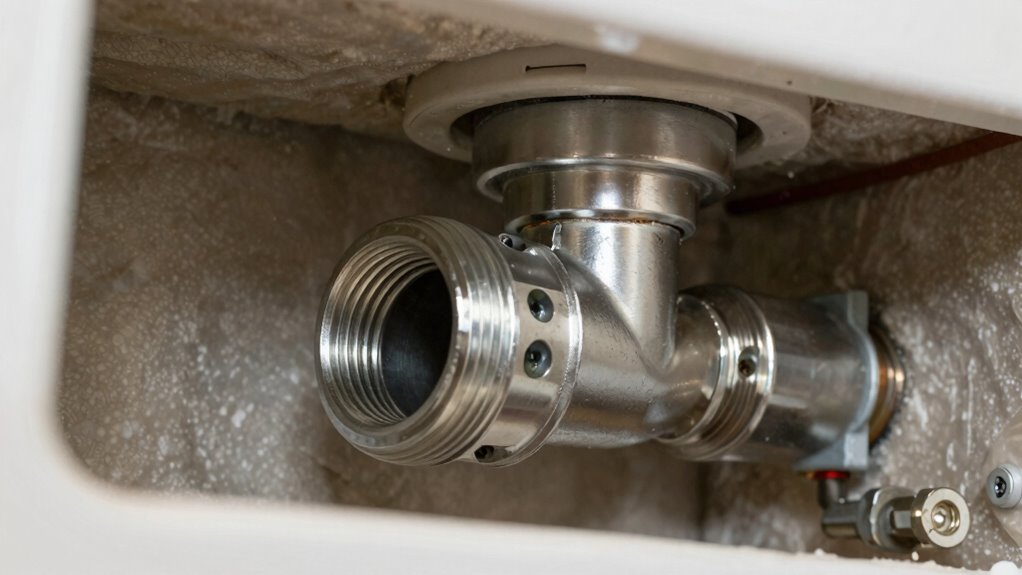
Before installing a humidifier, it’s important to understand which parts of your furnace support the device. The most critical component is the plenum, where the humidifier connects to the ductwork, guaranteeing proper airflow. You’ll also want to identify the control board or thermostat wiring, as these regulate humidity levels and energy efficiency. The blower motor plays a role in distributing moist air, impacting air quality throughout your home. Knowing these parts helps maximize the humidifier’s performance, ensuring it runs efficiently without wasting energy. Proper installation improves energy efficiency and enhances air quality by maintaining ideal humidity levels. Being familiar with these furnace components ensures a smoother setup and better long-term results for your home’s comfort.
Humidifier Types and How They Connect to Your Furnace

Different types of humidifiers connect to your furnace in distinct ways, so understanding these options helps you choose the right one for your home. The main types include bypass, fan-powered, and steam humidifiers. Bypass models are affordable and easy to install but may affect the humidifier’s aesthetics. Fan-powered units are more efficient and integrate seamlessly, often offering better control. Steam humidifiers produce moisture through boiling, connecting directly to your water supply for consistent humidity, though they tend to be pricier. Your choice depends on your budget considerations and desired humidifier aesthetics.
| Humidifier Type | Connection Method | Ideal For |
|---|---|---|
| Bypass | Connects to furnace duct | Budget-friendly, simple install |
| Fan-powered | Directly integrates | Larger homes, efficiency |
| Steam | Water line connection | Precise control, high capacity |
How to Find Connection Points on Your Furnace
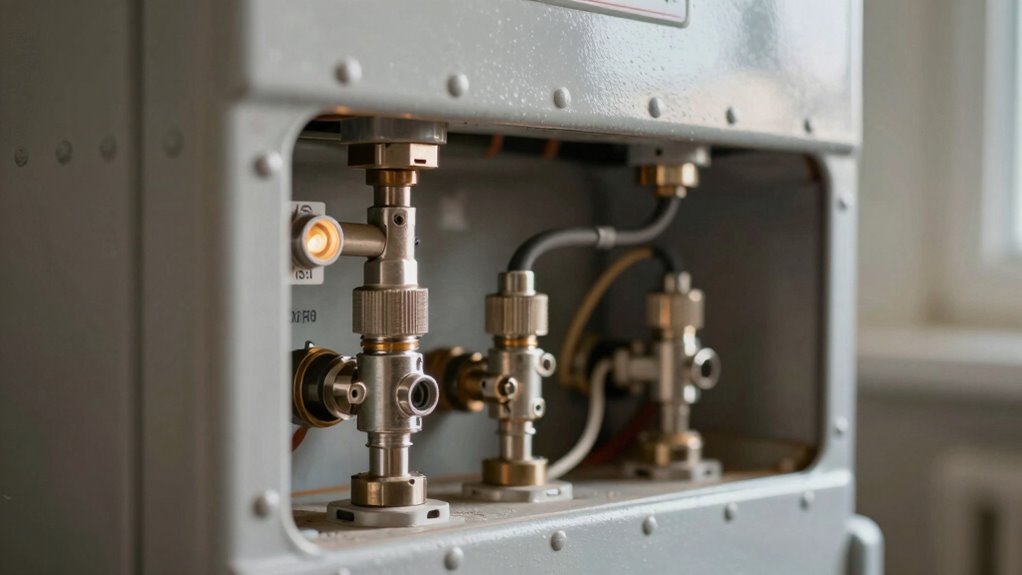
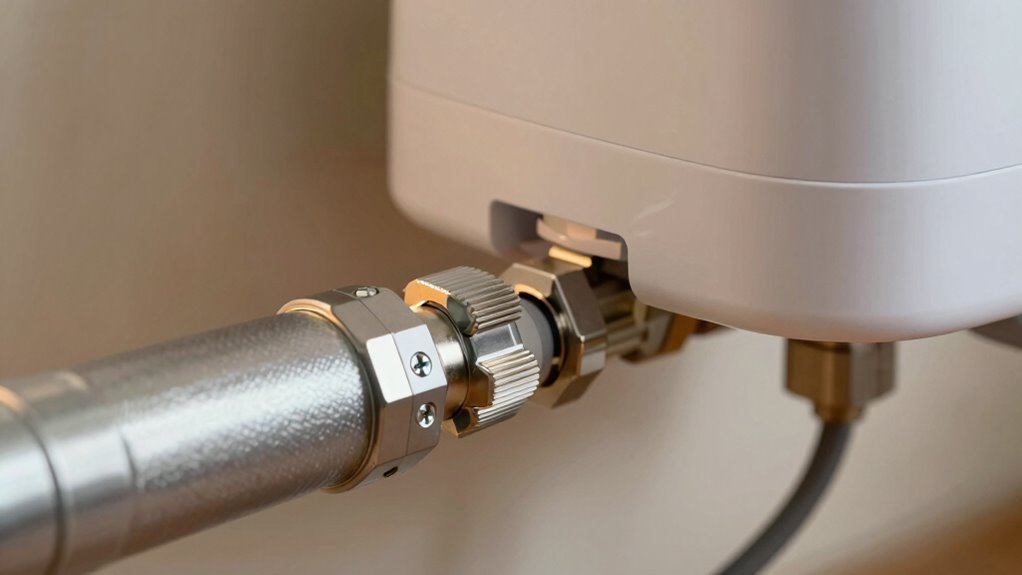
To find the connection points on your furnace, start by locating the air handler access panel, which is usually on the side or front of the unit. Next, look for water line ports, often near the humidifier hookup area or inside the cabinet. Once you’ve identified these points, you can easily connect your humidifier without hassle. Additionally, inspecting for warp issues or corrosion can help ensure a secure and lasting connection. Understanding filter sizing/flow and proper handling of filter failures can also contribute to maintaining an efficient and reliable humidifier setup. Being aware of safety precautions when working with HVAC components is essential to prevent accidents or damage during installation. Proper cabling solutions, such as correct routing and securing of wires, can further enhance the longevity and safety of your setup. Familiarizing yourself with these connection best practices can make the installation process smoother and more reliable.
Locate Air Handler Access
Wondering how to locate the air handler access point on your furnace? Start by turning off your system and removing the front panel or access door, which is usually held with screws or clips. Check near the air filter; the air handler is often behind or above it. You’ll see components like the blower motor and duct connections. Pay attention to the thermostat placement, as it’s typically mounted on a nearby wall, helping you identify the general location of the control panel. The access point for connecting your humidifier should be on or near the plenum or ductwork connected to the air handler. Once you find the panel, you can easily see where to make your connections for ideal humidifier operation.
Identify Water Line Ports
Have you located the water line ports on your furnace yet? Finding the connection points is essential before installing a humidifier. Look for the water line connection ports, usually near the bottom or side of the furnace. To identify them:
- Check the manufacturer’s manual for specific locations.
- Look for small, threaded connection points labeled “water in” or similar.
- Inspect the area where water lines typically connect, often near the drain pan.
- Confirm the ports are compatible with your water line’s size and type.
- Understanding free floating in backyard design can help in assessing how your setup might interact with the overall environment for optimal efficiency. Additionally, considering specialized planter designs can enhance your gardening space and ensure better plant health. Recognizing proper connection techniques can also prevent leaks and ensure a secure fit. Knowing where these connection ports are helps guarantee a proper setup and prevents leaks. Once located, you can easily connect the water line to supply your humidifier with steady water flow, making installation smoother and more reliable.
Common Furnace-Humidifier Installation Problems and How to Avoid Them
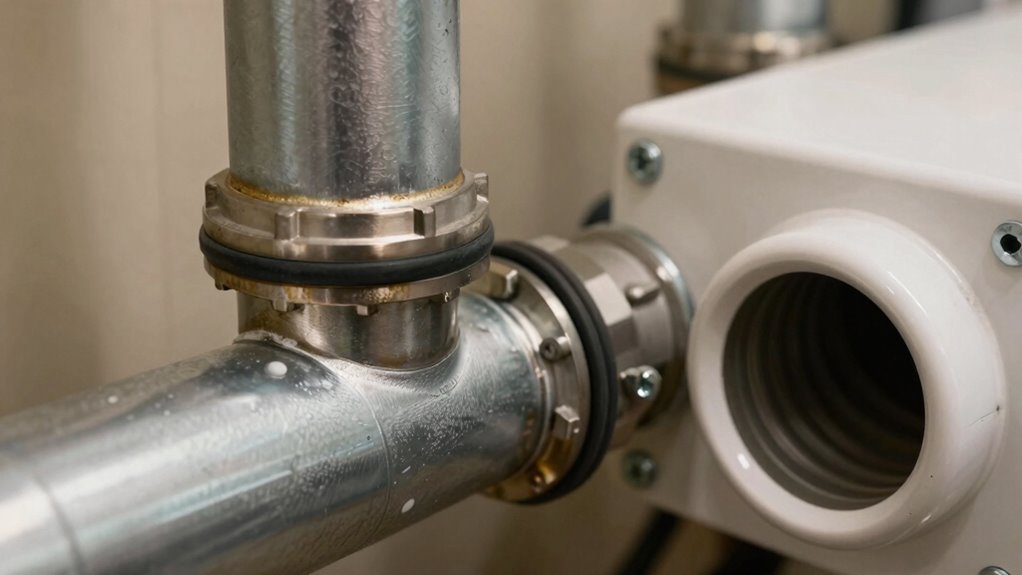
Installing a furnace humidifier can seem straightforward, but several common issues can arise if you’re not careful. Poor humidifier maintenance can cause mineral buildup or mold, reducing indoor air quality and affecting furnace efficiency. Improper placement or incorrect wiring can lead to uneven humidification or system malfunctions. Leaking water lines or improper drainage often cause water damage or mold growth. To avoid these problems, follow manufacturer instructions carefully, guarantee all connections are secure, and schedule regular humidifier maintenance. Maintaining your humidifier not only prolongs its lifespan but also keeps your furnace running efficiently. Proper installation and upkeep prevent issues that could compromise your comfort and increase energy costs. Staying vigilant about these potential problems helps you enjoy consistent humidity without sacrificing furnace performance. Additionally, choosing a security zone designed for HVAC systems can help monitor and alert you to potential leaks or malfunctions early. Proper installation techniques are essential for ensuring your humidifier operates effectively and safely over time.
Should You Hire a Professional for Furnace-Humidifier Setup?
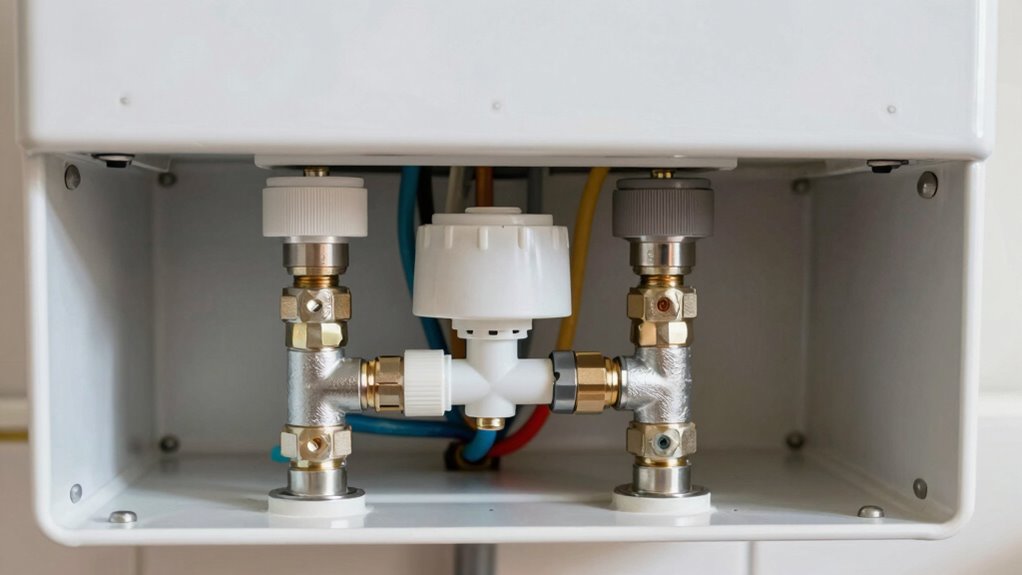
Deciding whether to hire a professional for your furnace-humidifier setup can save you from installation mistakes and guarantee everything meets proper standards. With expert help, you reduce the risk of costly errors that might cause issues down the line. Ultimately, a professional’s experience can give you peace of mind and a more reliable, efficient system.
Ensuring Proper Installation Standards
Ensuring the proper installation of your furnace humidifier is essential for its safe and efficient operation. Proper standards guarantee optimal performance while maintaining the humidifier’s aesthetics and aesthetic integration within your home. If you’re considering DIY installation, keep in mind these key points:
- Follow manufacturer guidelines to ensure compatibility and safety.
- Check airflow and water connections for proper functioning and efficiency.
- Maintain aesthetic integration by selecting a discreet, visually appealing placement.
- Confirm electrical safety to prevent hazards or malfunctions.
Hiring a professional often ensures these standards are met precisely, reducing future issues and preserving the humidifier’s look within your home’s overall aesthetic. Proper installation isn’t just about function; it’s about seamless integration and lasting performance.
Avoiding Costly Mistakes
While it might be tempting to save money by tackling furnace humidifier installation yourself, this approach can lead to costly mistakes if you’re not familiar with HVAC systems. Improper setup can cause water leaks, mold growth, or damage to your furnace, ultimately reducing energy efficiency. A professional ensures the connection is secure and functioning correctly, preventing these issues. Additionally, a professional can help you choose the right model with decorative accents that match your home’s style without compromising performance. Correct installation also maximizes energy efficiency, saving you money on heating costs. Skipping expert help might seem cost-effective initially, but faulty installation can lead to higher expenses down the road. Investing in professional setup guarantees your humidifier operates safely, efficiently, and enhances your home’s comfort.
Professional Expertise Benefits
Hiring a professional for furnace-humidifier setup offers essential expertise that DIY installers often lack. They ensure your system blends seamlessly with your furnace, enhancing humidifier aesthetics and maintaining a clean, unobtrusive look. Professionals maximize energy efficiency by correctly sizing and installing the unit, reducing your energy bills over time.
Consider these benefits:
- Precise installation for superior humidifier performance
- Improved humidifier aesthetics, avoiding bulky or unattractive setups
- Enhanced energy efficiency, saving you money
- Proper calibration to prevent over- or under-humidification
Choosing a pro guarantees your system functions smoothly, looks good, and saves energy, making your investment worthwhile.
Tips to Maintain Your Furnace and Humidifier Connection for Long-Term Performance
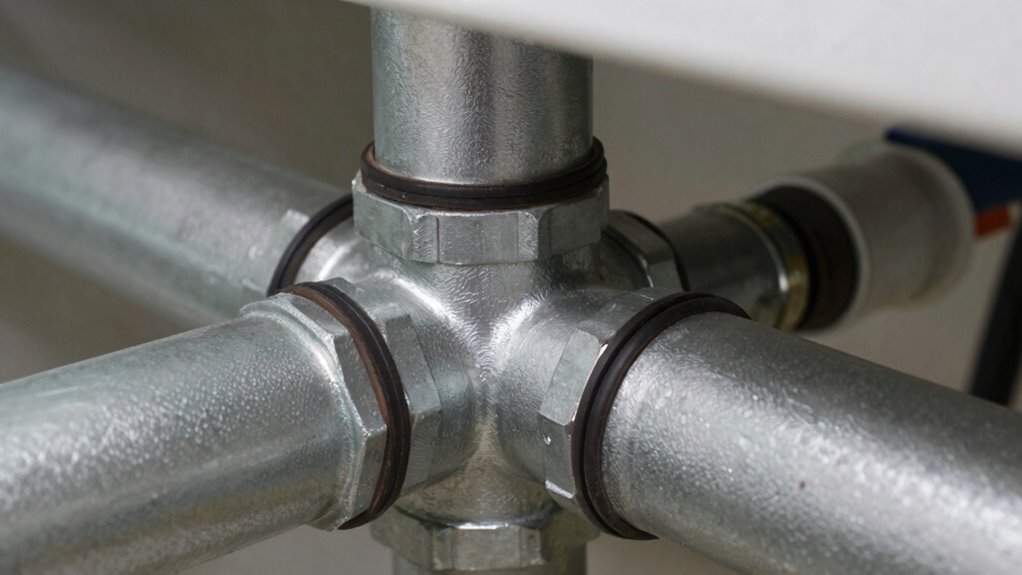
Regularly inspecting and cleaning the connection between your furnace and humidifier is essential for long-term performance. Keep the components free of dust, mineral buildup, and debris to guarantee optimal operation. A clean connection helps maintain good indoor air quality and prevents malfunctions that could reduce energy efficiency. Check for leaks or blockages that could hinder proper water flow or air circulation. Replace filters as needed to keep the system running smoothly. Proper maintenance reduces strain on your furnace, saving energy and lowering utility bills. Also, ensure the humidifier’s water supply is steady and clean. By staying proactive, you prolong the lifespan of both units, maintain consistent indoor air humidity, and maximize energy efficiency during each heating season.
Signs Your Furnace Isn’T Compatible With a Humidifier and What to Do Next
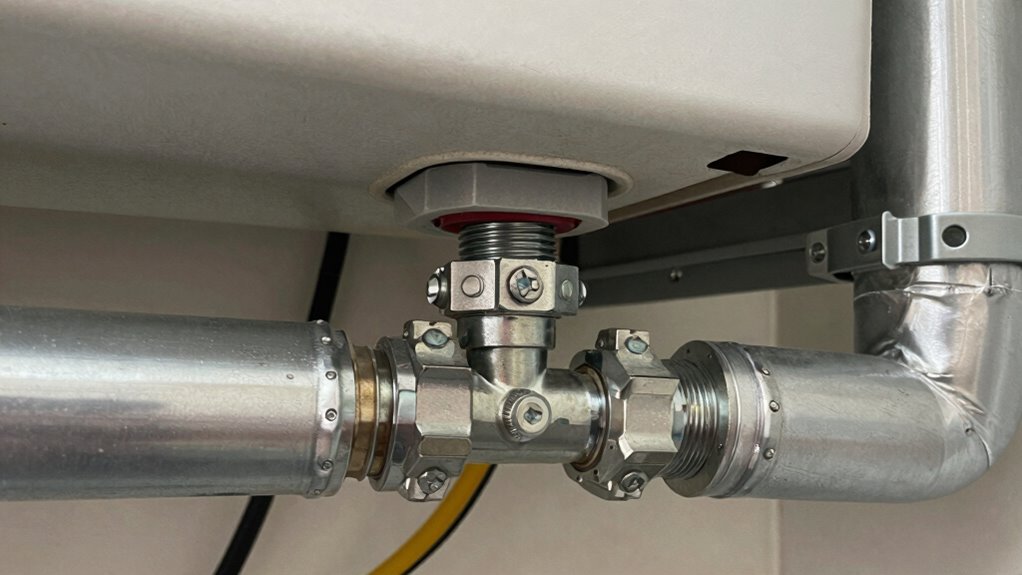
If your furnace isn’t compatible with a humidifier, you might notice it struggles to maintain proper humidity levels or causes strange noises. Certain furnace types, like older models or those with limited ventilation options, can be incompatible, leading to installation issues. When these signs appear, it’s essential to assess your system’s limitations and consult a professional to determine the best solution.
Furnace Type Limitations
Wondering if your furnace can support a humidifier? Some furnace types have limitations that make installation difficult or impossible. For example:
- Older models may lack the capacity for proper air filtration, affecting humidifier performance.
- High-efficiency furnaces often have sealed combustion chambers, limiting accessory connections.
- Furnaces needing frequent repairs might not support additional components without risking further issues.
- Certain electric or heat pump systems aren’t compatible with traditional humidifiers.
If your furnace falls into any of these categories, it could struggle with humidifier integration. In such cases, consider consulting a professional to evaluate potential furnace repairs or upgrades. Ensuring your furnace is suitable helps maintain *ideal* air quality and prevents issues down the line.
Ventilation Compatibility Issues
Not all furnaces are built to work seamlessly with humidifiers, especially when it comes to ventilation systems. If your furnace’s ventilation isn’t compatible, you might notice issues like poor air filtration or uneven humidity levels. Your thermostat settings could also be affected, making it harder to control indoor comfort. Signs of incompatibility include unusual airflow, excessive dust, or a humidifier that doesn’t turn on properly. To fix this, check if your ventilation system allows proper airflow and if your furnace can handle added moisture. Consulting a professional is your best bet to evaluate whether your current setup can support a humidifier or if upgrades are needed for ideal performance and air quality.
Frequently Asked Questions
Can I Install a Humidifier on Any Furnace Model?
You can’t install a humidifier on just any furnace model. Humidifier compatibility depends on your furnace’s system and how easily it integrates with the humidifier. Some models are designed for seamless furnace integration, while others need specific connections or modifications. Before buying, check your furnace’s specifications and consult a professional to guarantee proper compatibility and installation, preventing potential damage or inefficiency.
What Safety Precautions Are Needed During Installation?
During installation, prioritize safety by turning off the furnace and power supply first. Guarantee proper electrical grounding to prevent shocks or fire hazards. Follow manufacturer instructions carefully, and double-check all connections. Use insulated tools and wear safety gear like gloves and goggles. Avoid contact with electrical components while energized. If unsure, consider hiring a professional to handle installation safely and correctly, minimizing risks and ensuring ideal operation.
How Does a Humidifier Impact My Furnace’s Efficiency?
A humidifier can boost your furnace’s efficiency by improving air quality and reducing energy bills. When humidity levels stay balanced, your furnace doesn’t have to work as hard to heat your home, saving energy. Plus, better air quality means fewer respiratory issues, creating a healthier environment. So, a humidifier helps your furnace run smoothly, conserves energy, and enhances your overall comfort, making it a smart addition to your home.
Are There Specific Brands Best Suited for My Furnace?
Yes, some brands are better suited for your furnace due to their compatibility and reliability. Look for brands with strong product reviews, indicating customer satisfaction and effective performance. Brands like Aprilaire, Honeywell, and Venta are known for their compatibility with various furnace systems. Always check the product specifications for compatibility with your furnace before purchasing to guarantee smooth operation and avoid unnecessary issues.
How Often Should I Schedule Maintenance for the Humidifier-Furnace System?
You should schedule maintenance for your humidifier-furnace system at least once a year, ideally before winter hits. Water quality varies, so regular checks prevent mineral buildup and mold, especially with different humidifier types like evaporative or steam models. Neglecting maintenance can lead to inefficiency and health issues. Stay proactive by cleaning and inspecting your system annually, ensuring maximum performance and indoor air quality throughout the season.
Conclusion
Before you install a humidifier, make sure your furnace can handle it. Checking compatibility now can save you headaches later and guarantee your home stays comfortable year-round. Think about how your heating system’s design affects installation—are you ready to troubleshoot or call in a pro? With the right information and proper setup, you’ll enjoy a cozy, balanced environment. Isn’t it worth the effort to breathe easier and keep your home in perfect harmony?