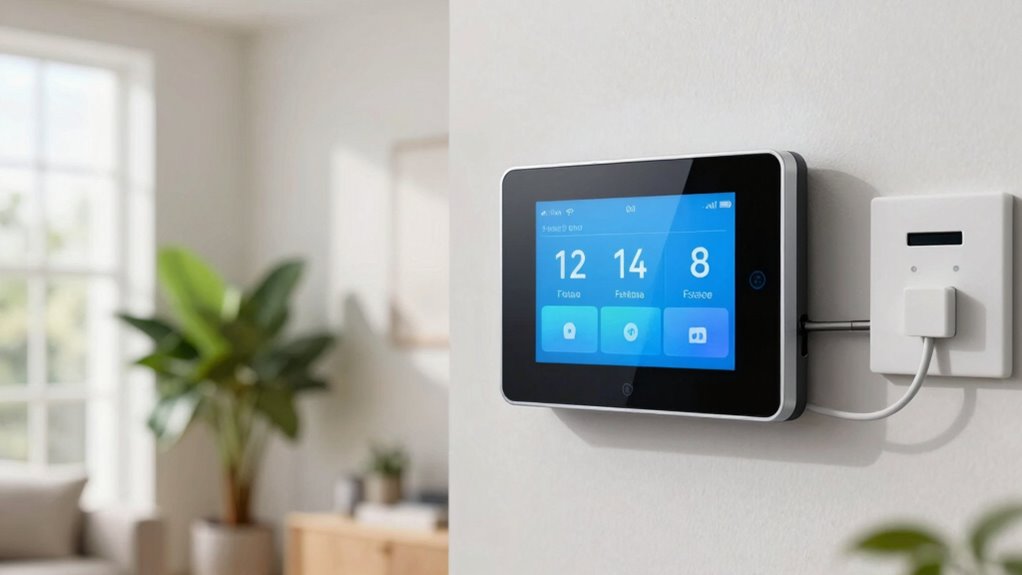
To set smarter defaults for your new smart climate installation, start by adjusting the temperature settings to suit your preferences, especially at night for better sleep and energy savings. Schedule different temperatures throughout the day, optimizing for when you’re home and away. Consider zoning your home, cooling or heating only occupied rooms. Utilize real-time data for smart adjustments and let the system adapt with learning features. There are more helpful tips to guarantee your system works efficiently.

Get home appliances delivered free with Prime
- Fast, free delivery on millions of items
- Prime Video, Amazon Music and more included
- Member-only deals all year
Key Takeaways
- Adjust default temperature settings based on personal preferences to ensure comfort and energy efficiency from the start.
- Program a schedule that aligns with your daily routine, optimizing temperatures while you’re away and maintaining comfort when home.
- Utilize zoning capabilities to heat or cool only occupied spaces, minimizing energy waste and enhancing efficiency.
- Integrate real-time data to monitor energy consumption patterns, allowing for informed adjustments and better performance.
- Enable adaptive learning features to let the system adjust automatically based on your habits, maximizing both comfort and savings.
As you immerse yourself in the world of smart climate installations, you’ll quickly realize that setting the right defaults can make all the difference in optimizing energy use and enhancing comfort. The choices you make when configuring your system can greatly impact both your energy bills and your overall living experience. By focusing on energy efficiency and user comfort, you can create an environment that meets your needs while being kind to the planet.
First, think about the temperature settings. Most smart climate systems allow you to set a range for heating and cooling. Instead of leaving the default settings, which may not reflect your preferences, adjust them to suit your lifestyle. For instance, if you tend to keep your home cooler at night, set the nighttime temperature lower. This not only enhances your comfort but also reduces energy consumption. You’ll notice the difference on your energy bill while enjoying a cozier sleep.
Next, consider scheduling. Many smart systems let you program different temperatures for different times of the day. If you’re away during the day, set the temperature higher in summer or lower in winter. When you’re home, program it to your preferred comfort level. This simple adjustment maximizes energy efficiency without sacrificing user comfort. You’ll be amazed at how much you save when the system isn’t working hard while you’re away. Additionally, understanding the benefits of renewable energy can further amplify your efforts to create an energy-efficient home.
Don’t overlook the importance of zoning. If your smart climate installation supports it, consider dividing your home into zones. This allows you to heat or cool only the rooms you’re using. By avoiding unnecessary energy expenditure in unoccupied spaces, you enhance energy efficiency while ensuring that the areas where you spend time are always comfortable. Implementing proper system calibration can also improve overall performance and efficiency. Recognizing the role of smart technology in these systems can help you make more informed adjustments. Incorporating real-time data into your system settings can further optimize performance and ensure energy savings. Additionally, staying informed about energy consumption patterns can help you identify areas for further improvement.
Finally, take advantage of adaptive learning features. Many advanced smart climate systems learn from your habits over time, allowing them to adjust automatically. You can fine-tune the initial settings to guide this learning process effectively. The more accurate your initial input, the better the system will adapt to your lifestyle, maximizing both comfort and energy savings.
Products Worth Considering

Google Nest Learning Thermostat Pro Edition (4th Gen, 2024) with Temperature Sensor, Polished Silver

TCL 32-Inch R3D Series QLED Full HD Roku Smart TV (32R3D, 2026)

Philips Hue Bridge Pro Starter Kit with 4 A19 E26 Color Smart Bulbs
As an affiliate, we earn on qualifying purchases.
Frequently Asked Questions
What Are the Benefits of Smart Climate Installations?
Smart climate installations offer you significant benefits, enhancing both climate adaptation and energy efficiency. You’ll enjoy lower energy bills as these systems optimize usage based on real-time data. They also help you adjust to changing environmental conditions, ensuring your home remains comfortable year-round. Plus, with advanced features, you can control your system remotely, making it convenient and tailored to your lifestyle. Ultimately, investing in smart climate technology can lead to a more sustainable future.
How Do Smart Climate Systems Save Energy?
Smart climate systems save energy by using energy monitoring to track your usage patterns. They automatically adjust heating and cooling based on real-time data, ensuring you’re only using energy when needed. For instance, if you leave a room, the system can lower the temperature or turn off the air conditioning. These automated adjustments help reduce waste, lower your bills, and create a more efficient environment, making your home both comfortable and eco-friendly.
Can Smart Climate Technology Be Retrofitted Into Existing Systems?
You can definitely retrofit smart climate technology into existing systems, but it’s not always a walk in the park. You’ll face retrofitting challenges like ensuring compatibility with your current setup. Some systems may need significant adjustments, while others might integrate easily. It’s essential to assess your existing components before diving in. With the right approach, you can enhance your system’s efficiency and enjoy the benefits of modern technology without starting from scratch.
What Is the Average Cost of Smart Climate Installations?
The average cost of smart climate installations typically ranges from $2,000 to $10,000, depending on the system’s complexity and features. When you’re planning your budget, consider installation pricing, potential energy savings, and available rebates. It’s crucial to get multiple quotes to guarantee you’re making a well-informed decision. As you explore options, remember that investing in smart technology can lead to long-term savings and increased comfort in your home.
Are There Specific Brands Recommended for Smart Climate Devices?
When choosing smart climate devices, consider brands like Nest, Ecobee, and Honeywell. These brands offer excellent device compatibility with various home systems. Checking brand comparisons helps you find the best fit for your needs. You’ll want devices that seamlessly integrate with your existing setup, ensuring smooth operation. Don’t forget to read user reviews to see how well they perform in real-world scenarios. This way, you’ll make a more informed decision.
Conclusion
In the grand theater of climate control, setting smarter defaults isn’t just a recommendation; it’s practically a public service. After all, who wouldn’t want a thermostat that understands them better than their partner? So, as you initiate your smart installation journey, remember: default settings are like your least favorite uncle at family gatherings—easily ignored but essential to the overall harmony. Embrace the future, and let those defaults do the heavy lifting while you kick back in comfort.