
To configure your multi-zone smart thermostat system, make certain your HVAC supports multiple zones and that your wiring can handle it. Install thermostats and zone controllers in each area, connecting them carefully following the manufacturer’s instructions. Program each thermostat for your desired temperatures, adjust settings for comfort and savings, and test to verify that dampers open and close correctly. For more detailed steps and tips, continue exploring how to optimize your multi-zone setup.
Key Takeaways
- Verify your HVAC system supports multiple zones and has compatible wiring for smart thermostats and zone controllers.
- Install thermostats in designated zones, following manufacturer instructions for wiring and placement.
- Connect thermostats to the zone controller, ensuring proper wiring to facilitate communication and control.
- Program each thermostat with desired temperature settings and zone-specific schedules.
- Test zone dampers and thermostat communication to confirm correct operation and system responsiveness.

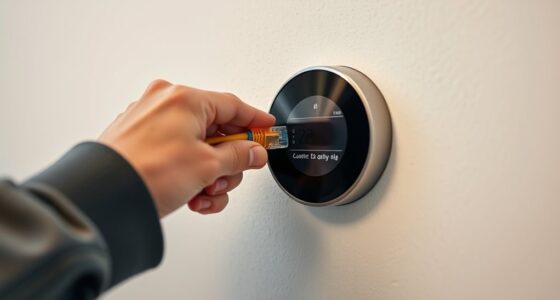
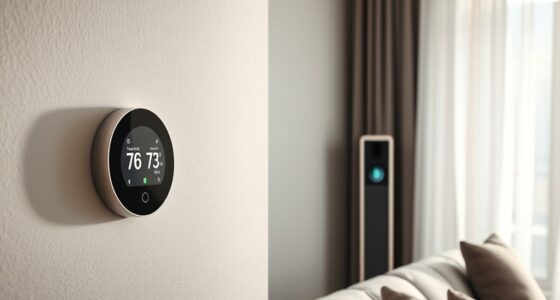
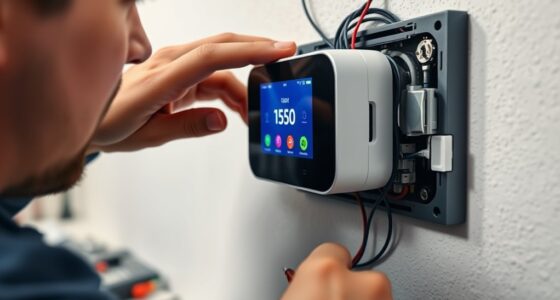
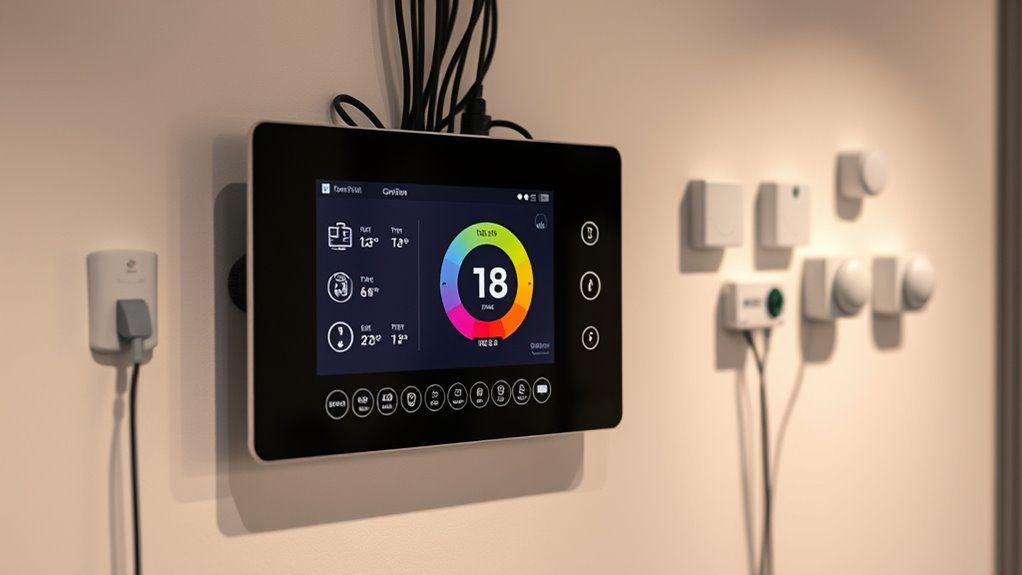
Multi-zone thermostat systems allow you to control the temperature in different areas of your home independently, providing customized comfort and energy efficiency. If you’re considering setting up your own multi-zone system, DIY installation is a viable option that can save you money and give you a sense of accomplishment. With some basic tools, a little patience, and clear instructions, you can install the necessary components and configure your system without professional help. First, you’ll need to verify your existing HVAC system can support multiple zones by checking whether it has zone dampers or if additional wiring is required. Once confirmed, you can purchase compatible thermostats and zone controllers designed for DIY setup. Many manufacturers offer detailed guides and online tutorials, making the process straightforward. When installing, start by turning off power to your HVAC system to guarantee safety. Then, mount the thermostats in designated zones, typically on interior walls at a standard height, and connect them to the zone controller. Wiring should follow the manufacturer’s instructions closely to avoid misconfiguration. After physical installation, you’ll need to program each thermostat with desired temperatures for their zones, taking into account your daily routines and preferences. This step is vital for maximizing energy savings, as you can set lower temperatures in unoccupied areas and prioritize comfort where needed most. Once everything is wired and configured, turn the power back on and test each zone to verify dampers open and close correctly, and that thermostats communicate properly with the controller. This DIY approach not only cuts installation costs but also allows you to fine-tune your system for peak performance. The benefits of a properly configured multi-zone thermostat system are significant. By controlling each zone independently, you prevent energy waste by avoiding heating or cooling unoccupied spaces. This targeted approach can lead to noticeable energy savings over time, reducing your utility bills and minimizing your environmental impact. Additionally, many smart thermostats offer remote access through smartphone apps, giving you the flexibility to adjust your home’s climate from anywhere. Moreover, integrating AI-driven security systems or smart home devices can further enhance your home’s automation and energy management. With a bit of effort upfront, you can create a highly efficient and comfortable living environment tailored exactly to your needs. Overall, DIY installation of a multi-zone thermostat system empowers you to maximize your home’s comfort while saving energy and money, making it a smart investment that pays off in the long run.
Frequently Asked Questions
Can Multi-Zone Thermostats Be Integrated With Existing Home Automation Systems?
Yes, multi-zone thermostats can be integrated with your existing home automation system. They typically feature smart home integration capabilities and wireless connectivity, making setup straightforward. You just need to confirm your system supports the thermostat’s communication protocols, like Wi-Fi or Zigbee. Once integrated, you can control and automate your different zones easily through your smart home app or voice commands, enhancing comfort and energy efficiency throughout your home.
What Is the Typical Installation Cost for a Multi-Zone Thermostat System?
Installation costs for a multi-zone thermostat system are like planting a garden—varied and dependent on your needs. Typically, system pricing ranges from $500 to $2,500, including equipment and professional installation. Factors influencing costs include the number of zones, system complexity, and existing wiring. Expect to pay more for advanced features or extensive rewiring. Budget accordingly to enjoy tailored comfort and energy savings throughout your home.
How Do I Troubleshoot Uneven Heating or Cooling Across Zones?
To troubleshoot uneven heating or cooling, start by checking zoning calibration and sensor placement. Make certain sensors are correctly positioned in each zone, away from drafts or direct sunlight. Calibrate zones if needed, using the system’s settings or app. Also, verify that dampers and vents are open and unobstructed. If issues persist, reset the system and consider consulting a professional to fine-tune zoning calibration and sensor placement.
Are There Energy Savings Benefits With Multi-Zone Thermostat Systems?
They say “a penny saved is a penny earned,” and with a multi-zone smart thermostat system, you definitely save energy. By customizing heating and cooling for each zone, you boost energy efficiency and reduce your utility bills. You gain more control, prevent waste, and enjoy cost savings. Overall, these systems help you use energy wisely, making your home more comfortable and economical.
What Maintenance Is Required for Multi-Zone Thermostats Over Time?
You need to regularly check sensor calibration and perform firmware updates to keep your multi-zone thermostats running smoothly. Calibration ensures accurate temperature readings, preventing energy waste, while firmware updates fix bugs and add features. Periodically, clean the sensors and verify wiring connections. By maintaining these components, you’ll guarantee peak performance, energy efficiency, and extend your system’s lifespan. Staying proactive with these simple tasks saves you time and money in the long run.
Conclusion
By setting up a multi-zone smart thermostat system, you can save up to 30% on energy bills while enjoying personalized comfort in every room. With over 60% of homeowners now adopting smart tech, it’s clear these systems are transforming how we manage home temperatures. Take control of your comfort and savings today—installing a multi-zone system not only enhances convenience but also makes your home more energy-efficient. Don’t miss out on this game-changing technology!