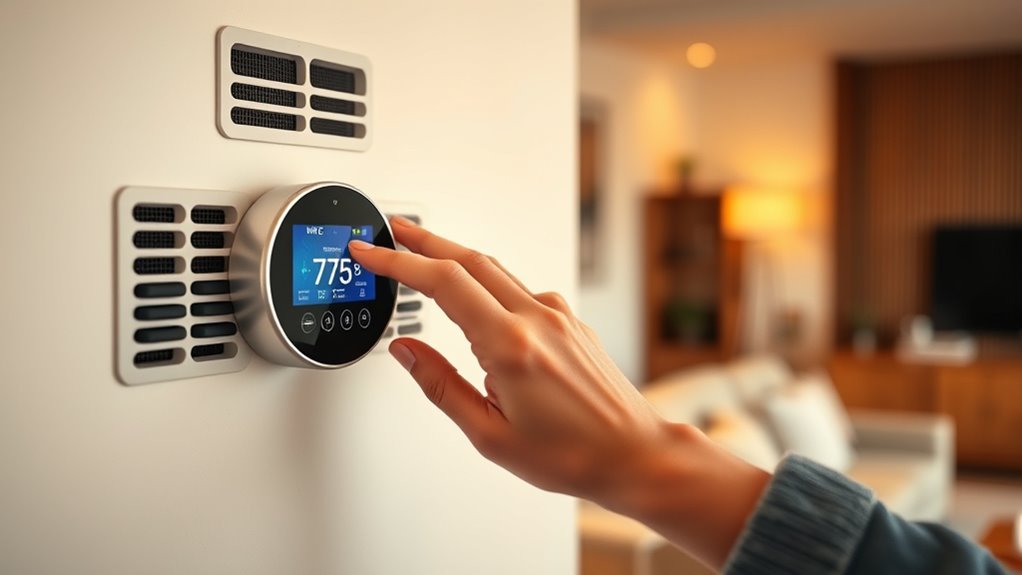

Installing smart thermostats in homes with zonal heating lets you easily control each zone’s temperature for improved comfort and energy savings. You can set schedules, adjust settings remotely, and integrate the system with voice assistants. Proper installation involves ensuring each zone has its own control point and is connected to Wi-Fi. This setup helps reduce waste and lower utility bills. Continue exploring to discover how to make this process seamless and efficient.
Key Takeaways
- Assess your home’s zonal heating setup to ensure each zone has compatible control points for smart thermostat installation.
- Choose smart thermostats that support multiple zones and integrate seamlessly with existing heating controls.
- Properly position thermostats away from drafts, sunlight, or heat sources for accurate temperature readings.
- Connect thermostats to Wi-Fi and integrate with home automation systems or voice assistants for remote control.
- Use energy consumption data from smart thermostats to optimize heating schedules and reduce utility bills.
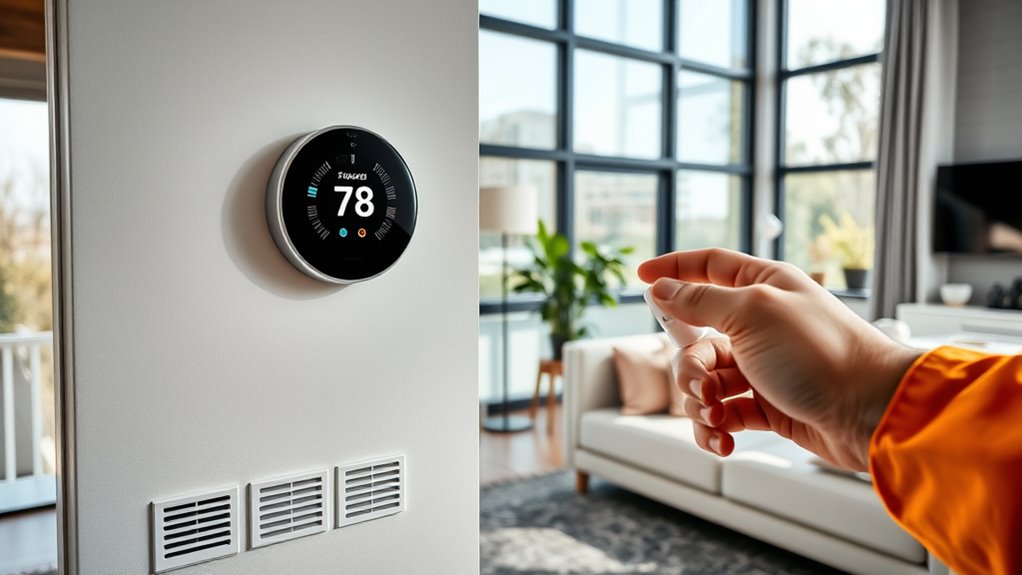
Installing a smart thermostat can substantially enhance your home’s comfort and energy efficiency. When you upgrade to a smart thermostat in a home with zonal heating, you gain better control over different areas, allowing you to customize temperatures for each zone. This targeted approach means you’re not wasting energy heating rooms you rarely use, which directly boosts your home’s energy efficiency. It also means you’ll experience fewer temperature fluctuations, ensuring each part of your house stays comfortable without constantly adjusting the thermostat manually.
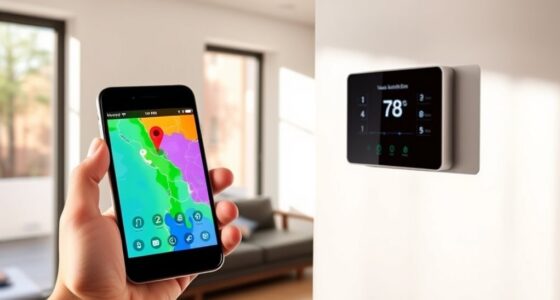
Because zonal heating already provides a level of control, integrating a smart thermostat elevates user convenience. You can set schedules for each zone, so your home is cozy when you wake up or return from work, without wasting energy overnight or during the day. Many smart thermostats allow remote access via smartphone apps, so you can tweak settings from anywhere, whether you’re still at work or on vacation. This flexibility ensures your home is always at the right temperature, which saves you time and effort compared to traditional thermostats. Plus, some models can learn your habits over time, automatically adjusting to your preferred settings, further simplifying daily routines.
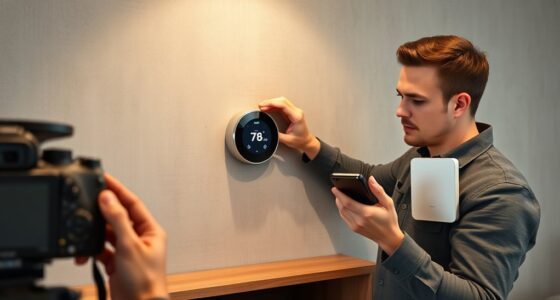
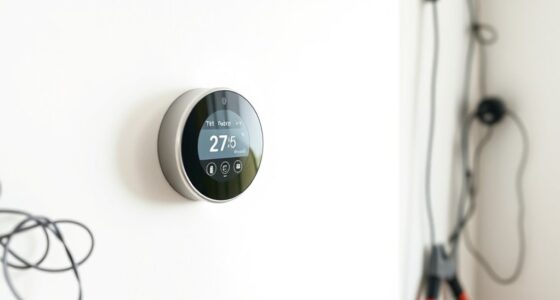
When installing a smart thermostat in a zonal heating system, it’s important to assess your existing setup. Make sure your heating zones are clearly defined and that each zone has its own thermostat or control valve. If your system uses multiple zones, you might need compatible smart thermostats for each zone to maximize control and efficiency. During installation, you’ll connect the thermostats to your Wi-Fi network, allowing for seamless integration with your home automation system or voice assistants like Alexa or Google Assistant. This connectivity not only enhances user convenience but also provides detailed insights into your energy consumption, helping you identify ways to reduce waste and lower bills.
Furthermore, take care to position the thermostats in locations that accurately reflect each zone’s typical temperature—avoiding spots near drafts, sunlight, or heat sources. Proper placement ensures the thermostat’s sensor can provide precise readings, which improves both comfort and energy efficiency. Additionally, detecting passive voice can help make your instructions clearer and more direct, ensuring proper installation and setup. Once installed, you’ll notice how effortlessly you can manage different zones, adjusting settings with a tap or voice command. This control makes maintaining consistent comfort and optimizing energy use straightforward, saving you money and reducing your environmental impact. Overall, installing a smart thermostat in a zonal heating system is a smart move that offers tangible benefits in convenience, comfort, and efficiency.
Frequently Asked Questions
Can Smart Thermostats Control Zoning Systems Directly?
Yes, smart thermostats can control zoning systems directly, especially if they’re compatible with your system. You can use voice control to adjust zones easily or access settings remotely via smartphone apps. This allows you to customize temperature in different areas, saving energy and increasing comfort. Just confirm your smart thermostat supports zoning control, and you’ll enjoy seamless management of your zoned heating system through voice commands and remote access.
Are There Compatibility Issues With Existing Zonal Heating Setups?
You might face compatibility challenges when integrating smart thermostats with your existing zonal heating system. These issues often stem from wiring requirements that don’t match or control modules that aren’t designed for your setup. Before installation, check your system’s wiring and compatibility specifications carefully. With some adjustments or the right smart thermostat model, you can overcome these hurdles and enjoy more efficient, remote-controlled zonal heating.
How Do Smart Thermostats Impact Energy Savings in Zoned Systems?
Smart thermostats boost energy efficiency in zoned systems by precisely controlling temperature in different areas, reducing wasted energy. You’ll notice significant cost savings as the system adjusts settings based on your schedule and preferences. With real-time monitoring and automation, you optimize heating and cooling, lowering your utility bills. Overall, installing smart thermostats helps you save money while maintaining a comfortable home environment, making your zoned heating system more effective and efficient.
What Are the Costs Associated With Installing Smart Thermostats in Zoned Homes?
You can expect installation costs for smart thermostats in zoned homes to range from $100 to $250 per unit, depending on the brand and features. Maintenance expenses are generally low, mostly involving software updates or occasional replacements. Keep in mind that if your system requires professional installation, labor fees will add to the overall costs. Planning for these expenses helps you budget effectively and maximize your energy savings.
Do Smart Thermostats Require Professional Installation for Zoning Integration?
You might think DIY installation is enough, but integrating smart thermostats with zoning systems often needs professional help. These devices require precise wiring and wireless compatibility checks to guarantee seamless operation across zones. Without expert assistance, you risk misconfiguration or system failure. Rely on a professional to handle the installation, guaranteeing your smart thermostat works flawlessly with your zoned heating, giving you comfort and peace of mind.
Conclusion
Installing smart thermostats in your zonal heating system can boost comfort and save energy. Just remember, “A stitch in time saves nine”—addressing your heating needs now prevents bigger issues later. With a smart thermostat, you gain control, efficiency, and peace of mind. Take the step today; your future self will thank you for making a smart choice. Embrace the change and enjoy a cozier, more efficient home.