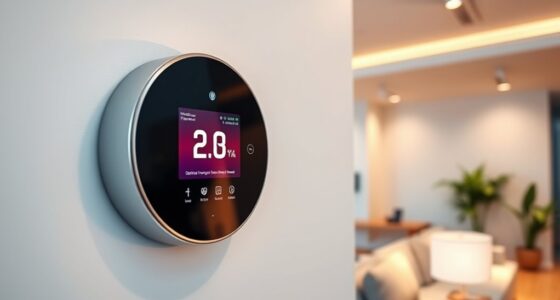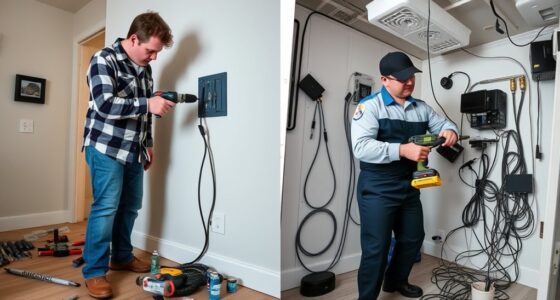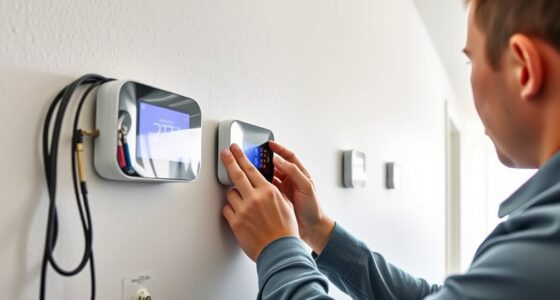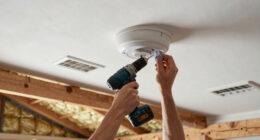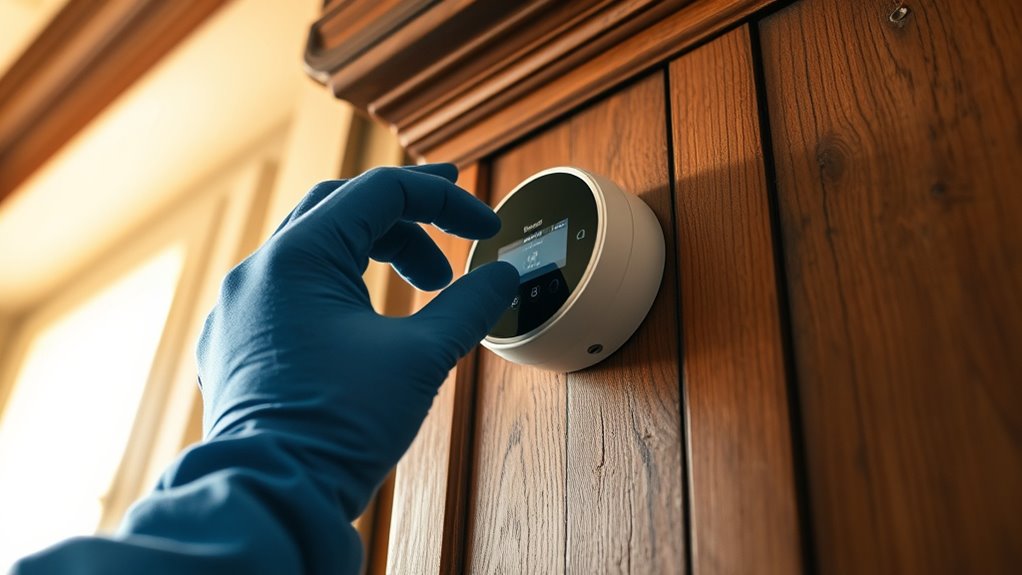

Installing a smart thermostat in an older home is usually simple and can greatly boost energy efficiency and comfort. Most models work with outdated wiring and heating systems, sometimes requiring a power adapter instead of a C-wire. The process often involves minimal effort and can be enhanced with features like scheduling or remote control. If your home has unique wiring or system quirks, a professional can help guarantee compatibility. Keep exploring to find out how to make the upgrade seamless.

Get home appliances delivered free — and shop member deals
- Fast, free delivery on millions of items
- Access to Prime Big Deal Days deals on October 6–7
- Prime Video, Amazon Music and more included
Key Takeaways
- Many smart thermostats are compatible with older wiring systems and can often be installed without extensive modifications.
- Devices may require a C-wire, but alternatives like power adapters simplify installation in homes lacking this wiring.
- Professional consultation ensures proper compatibility and safe installation in homes with outdated or complex wiring.
- Features like scheduling and remote control are easily integrated, enhancing convenience despite older heating systems.
- Smart thermostats improve energy efficiency and comfort, making them a valuable upgrade for traditional or aging home systems.

Installing smart thermostats in older homes can considerably improve energy efficiency and comfort, even if your house has outdated wiring or traditional heating systems. These devices bring modern technology into your home, allowing you to better control heating and cooling with minimal effort. Unlike traditional thermostats, smart versions learn your schedule, adjust temperatures automatically, and provide insights that help you save energy. This means you’ll spend less on utility bills while maintaining a comfortable environment. Even if your wiring isn’t perfect or your heating system is aged, many smart thermostats are designed to work with a variety of setups, making installation more straightforward than you might think.
Smart thermostats boost energy efficiency and comfort in older homes, even with outdated wiring or heating systems.
The key benefit of upgrading to a smart thermostat is its ability to optimize energy use. You won’t need to keep your heater or air conditioner running when you’re away or asleep, because the device can be programmed or learn your habits to reduce unnecessary energy consumption. As a result, your home becomes more energy-efficient, which is not only good for your wallet but also better for the environment. Thanks to modern technology, these thermostats can adapt to your lifestyle, giving you more control and flexibility. For example, you can adjust settings remotely via your smartphone, ensuring your home is comfortable before you even walk in the door. This level of control is especially helpful if your home has older insulation or less efficient heating systems, as it allows you to fine-tune temperatures without wasting energy.
While some older homes might have wiring issues or non-standard setups, many smart thermostats are compatible with low-voltage systems or have alternative wiring options. You might need a C-wire (common wire) for some models, but others come with power adapters or alternative wiring kits. If you’re unsure, consulting a professional can guarantee you choose a compatible device and install it safely. Once installed, these thermostats often include features like scheduling, geofencing, and usage reports, making it easier to identify ways to save more energy. Over time, you’ll notice your utility bills decrease, and your home remains comfortable regardless of how old the house is.
Additionally, integrating sound design principles like ambient sounds or user feedback can help optimize the user experience with these devices, making them feel more intuitive and responsive. In essence, upgrading to a smart thermostat in an older home isn’t just about modern tech—it’s about transforming your living space into a more efficient, responsive, and comfortable environment. Even with outdated wiring or traditional heating systems, these devices can adapt to your home’s limitations while delivering the benefits of energy efficiency and convenience. With a little effort during installation, you’ll enjoy a smarter, more sustainable way to manage your home’s climate—saving money and enhancing comfort all year round.
Frequently Asked Questions
Can Smart Thermostats Be Installed Without Professional Help?
Yes, you can do a DIY installation of a smart thermostat with wireless connectivity, but it depends on your experience with wiring and HVAC systems. Follow the manufacturer’s instructions carefully, turn off power before starting, and verify compatibility with your existing wiring. Keep in mind that older homes may have complex wiring, so if you’re unsure, it’s safer to seek professional help for a seamless and safe setup.
How Do Smart Thermostats Integrate With Existing Home Wiring?
Did you know that over 80% of smart thermostats are compatible with existing wiring? You can integrate them easily by checking wireless compatibility and wiring compatibility with your current system. Most smart thermostats connect through standard wires like R, W, and C, making installation straightforward. If your wiring is outdated or non-standard, some models offer wireless options that don’t require extensive rewiring. Always verify compatibility before installation for smooth integration.
Are There Specific Models Suitable for Historic or Preserved Homes?
Yes, you can find smart thermostats designed for historic preservation and compatibility concerns. Look for models that offer flexible wiring options and minimal modifications to your home’s electrical system. Brands like Ecobee and Nest often provide compatibility with older wiring setups, making them suitable for preserved homes. Always check the device specifications and consult a professional to guarantee your thermostat respects your home’s historic integrity while providing modern energy control.
What Are the Long-Term Maintenance Requirements for Smart Thermostats?
You’ll want to check your smart thermostat’s battery life and plan for replacements or recharging every few years, depending on the model. Firmware updates are essential for security and performance; you should install them promptly when available. Regularly clean the device and ensure connections stay secure. These simple steps help your thermostat operate efficiently, extend its lifespan, and keep your home comfortable year-round.
Do Smart Thermostats Work During Power Outages in Older Homes?
Smart thermostats typically don’t work during power outages unless you have backup power. Many models include a battery backup that keeps the device running temporarily, but battery life varies. If you want continuous operation, consider installing a backup power source like a generator or uninterruptible power supply (UPS). This way, your smart thermostat continues to control your heating and cooling even when the main power goes out.
Conclusion
While upgrading to a smart thermostat in your older home can offer modern comforts, it’s wise to approach the process with patience and care. Sometimes, taking small steps ensures everything fits just right, and you avoid unnecessary bumps along the way. With careful planning, you’ll find the shift smoother than expected, making your home not only smarter but also more comfortable and efficient. Remember, a gentle approach often leads to the most lasting improvements.
NFL season / tailgating Picks
team gear
As an affiliate, we earn on qualifying purchases.