🔍 Read the full analysis: 12 Best AI-Powered Home Automation Devices In 2026 on ThorstenMeyerAI.com

Get home appliances delivered free with Prime
- Fast, free delivery on millions of items
- Prime Video, Amazon Music and more included
- Member-only deals all year
TL;DR
In 2026, the top AI-powered home automation devices include options like the Hubitat Elevation C-8 Pro for local control, DIY solutions like Raspberry Pi, and voice processors. These devices vary in complexity, privacy, and features, catering to different user needs. This list helps consumers choose the best smart home tech for their priorities.
In 2026, the landscape of home automation is dominated by AI-powered devices that prioritize local processing, privacy, and customization. For an overview of the latest trends, see the original analysis. Among the top options is the Hubitat Elevation C-8 Pro, which offers robust local control, making it ideal for users concerned about data security and reliability. Meanwhile, voice command processors like the Local AI Voices Command Processor enable seamless AI-driven control without relying on cloud services, enhancing privacy. DIY enthusiasts can turn to solutions like Raspberry Pi-based smart home setups, which provide extensive customization but require technical skills. Learn more about smart home DIY options in the related guide. These devices vary widely in complexity, control scope, and price, reflecting different user needs and preferences.
The Hubitat Elevation C-8 Pro stands out for its local AI processing, allowing users to automate their homes without internet dependency, thus enhancing privacy and reducing latency. It supports a wide range of smart home protocols, including Zigbee and Z-Wave, making it compatible with many existing devices.
For voice control, the Local AI Voices Command Processor offers AI-driven commands that operate locally, minimizing data sharing with third parties, a significant advantage for privacy-conscious users. However, it still requires initial setup and integration with other smart home devices.
DIY solutions like the Raspberry Pi enable advanced customization, allowing users to build tailored automation systems. These setups can incorporate AI modules for tasks like energy monitoring, security, and climate control, but demand technical expertise in programming and networking.
Other notable devices include energy monitors with AI analysis, such as the Home Energy Monitor Lite, which offers insights into energy consumption but has limited automation capabilities. Bundles like the SwitchBot bundle integrate cameras and AI hubs for comprehensive monitoring, at a higher cost. Overall, these devices reflect a trend toward increasing AI integration, privacy focus, and user customization.
The 12 picks
- 1
 SwitchBot AI Hub Bundle with PTC Plus 5MP Camera, AI Smart Hub with OpenClaw…View on Amazon →
- 2
 SwitchBot AI Hub with OpenClaw Support and Local Camera StorageView on Amazon →
- 3
 Hubitat Elevation C-8 Pro Smart Home Hub, Local Control and AutomationsView on Amazon →
- 4
 iSG Box SE ZB Smart Home Hub with Preinstalled Home AssistantView on Amazon →
- 5
 AI-Powered Smart Home DevicesView on Amazon →
- 6
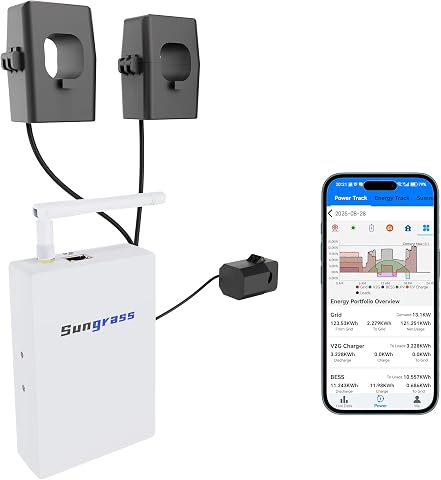 Home Energy Monitor Lite – Real-Time Electricity Usage & Power Consumption Me…View on Amazon →
- 7
 iSG Box SE Smart Home Hub with Preinstalled Home AssistantView on Amazon →
- 8
 AI-Powered Smart Home Guide 2026: A Step-by-Step Guide to Designing, Optimizi…View on Amazon →
- 9
 Build Your Dream Smart Home with Raspberry Pi: The Complete DIY Guide to Crea…View on Amazon →
- 10
 Speech Recognition Module for DIY Home Automation and RoboticsView on Amazon →
- 11
 AI Powered Smart Home Guide for Beginners 2026View on Amazon →
- 12
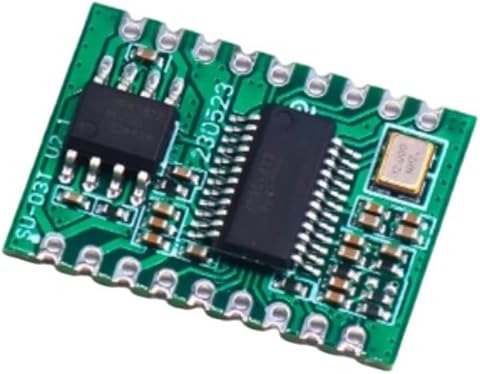 Local AI Voices Command Processor for Home Automation SystemsView on Amazon →
Why Local Control and Privacy Are Key in 2026
The emphasis on local AI processing in 2026 reflects growing user concerns over privacy and data security. Devices like the Hubitat Elevation C-8 Pro demonstrate that reliable, responsive home automation can be achieved without relying on cloud services, reducing risks associated with data breaches and third-party access. This shift enhances user trust and ensures automation functions remain operational even if internet connectivity is lost. Additionally, privacy-focused devices are increasingly important as smart homes become more integrated and data-intensive, making local processing a critical feature for many consumers.
Products Worth Considering

Levoit Air Purifier for Home, Pets, Bedroom – Smart Wi‑Fi for Large Rooms

Philips Hue Bridge Pro Starter Kit with 4 A19 E26 Color Smart Bulbs

Sonos One (Gen 2) Two-Room Set Voice-Controlled Smart Speaker with Alexa (2-Pack, Black)
As an affiliate, we earn on qualifying purchases.
Evolution of AI in Home Automation Since 2023
Since 2023, AI integration in home automation has accelerated, with more devices offering advanced machine learning capabilities, voice recognition, and energy management. Early solutions primarily relied on cloud computing, which raised privacy concerns. Over time, manufacturers introduced local processing options, such as the Hubitat Elevation series, to address these issues. DIY solutions like Raspberry Pi gained popularity among tech-savvy users seeking customization. The trend towards comprehensive bundles integrating cameras, sensors, and AI hubs also grew, driven by consumer demand for all-in-one security and automation systems. These developments reflect a broader shift toward smarter, more private, and user-centric home automation ecosystems.
“The move towards local AI processing in 2026 signifies a pivotal shift in prioritizing user privacy without sacrificing automation performance.”
— Thorsten Meyer, AI Home Tech Expert
Remaining Questions About AI Home Devices in 2026
While many devices boast local processing and privacy features, it is still unclear how widespread adoption will be among average consumers. The long-term reliability of DIY setups like Raspberry Pi, especially in terms of security updates and maintenance, remains uncertain. Additionally, the extent to which AI capabilities will continue to evolve without increasing complexity or cost is still developing. The impact of emerging standards and interoperability across brands also remains to be seen, potentially affecting future device compatibility and ecosystem expansion.
Future Trends and Next Steps for AI Home Automation
In the coming months, expect further advancements in AI processing power, with more devices offering enhanced local intelligence and privacy features. Manufacturers are likely to introduce more integrated bundles combining security, energy management, and automation, simplifying setup for consumers. Additionally, interoperability standards are expected to improve, enabling seamless integration across brands. Consumers should watch for updates on device compatibility, software support, and new AI features that could further personalize and secure their smart homes.
Key Questions
Do I need technical skills to set up AI-powered home automation devices?
Setup requirements vary. Basic plug-and-play devices like hubs or smart speakers typically need minimal technical knowledge, while DIY solutions like Raspberry Pi require familiarity with networking, programming, and hardware assembly. Consider your comfort level before choosing a solution.
Are local AI devices more secure than cloud-based options?
Yes, local AI devices generally offer better privacy and security because they process data on-site, reducing exposure to third-party servers and potential breaches. However, they may have fewer features compared to cloud solutions.
Can these devices integrate with existing smart home systems?
Most top devices support common protocols like Zigbee and Z-Wave, ensuring compatibility with many smart home ecosystems. Compatibility depends on the specific device and your current setup, so check device specifications before purchase.
Will AI features become more affordable in the future?
As AI technology advances and becomes more widespread, prices are expected to decrease, making advanced features more accessible to a broader audience. However, high-end, privacy-focused devices may still command premium prices.
What should I consider when choosing between local and cloud AI devices?
Consider your priorities regarding privacy, internet reliability, and desired features. Local devices offer better privacy and lower latency, while cloud-based solutions often provide more powerful AI capabilities but depend on stable internet connections.
Source: ThorstenMeyerAI.com