
TL;DR
Samsung plans to start charging for access to its SmartThings API in October 2026, including a $4.99 monthly fee for individual developers. This change could impact advanced smart home users and third-party integrations.
Samsung will begin charging for access to its SmartThings API starting in October 2026, introducing a $4.99 monthly fee for individual developers. This move aims to generate revenue and fund improvements, but it could impact third-party developers and advanced smart home users who rely on the platform.
From October 2026, Samsung will implement a tiered pricing model for its SmartThings API, including a new $4.99 monthly plan targeted at non-commercial, individual developers, according to The Verge. The company states that the revenue will enable further investment in enterprise-grade features, stability, and new integrations, as well as enhancements to its Developer Center hub.
While Samsung emphasizes the benefits for partners and enterprise users, the change also affects hobbyist and advanced smart home users who utilize third-party tools like Home Assistant to customize their setups. Paulus Schoutsen, founder of Home Assistant, confirmed that their integration will be impacted by the new personal plans, potentially limiting certain functionalities for free users.
Impact on Smart Home Ecosystems and Developers
This development could significantly alter the landscape for smart home enthusiasts and third-party developers, potentially restricting free access and increasing costs for advanced users. It signals a shift toward monetizing platform access, which may influence the future growth and openness of Samsung’s smart home ecosystem. The move also raises questions about how third-party integrations and DIY smart home setups will adapt to the new paid model, possibly prompting users to seek alternatives or modify their setups.
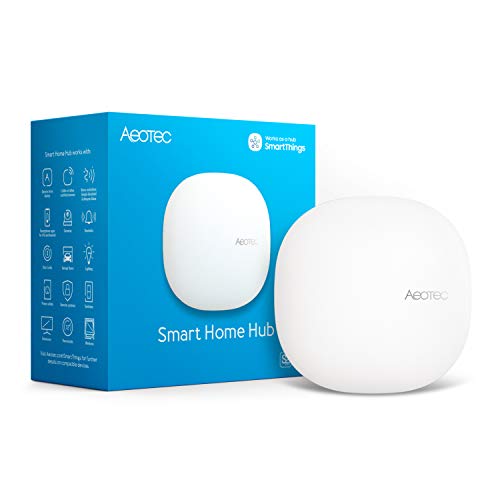
Aeotec Smart Home Hub, Works as a SmartThings Hub, Z-Wave, Zigbee, Matter Gateway, Compatible with Alexa, Google Assistant, WiFi
- Device Compatibility: Works with Z-Wave, Zigbee, Matter, WiFi
- Smart Home Control: Connects and manages multiple devices
- Automation Capabilities: Create custom routines and automations
As an affiliate, we earn on qualifying purchases.
As an affiliate, we earn on qualifying purchases.
Samsung’s Previous Approach to Smart Home API Access
Samsung’s SmartThings platform has historically offered free API access, enabling a broad range of third-party integrations and DIY smart home projects. The announcement of paid tiers marks a notable change in its policy, aligning with industry trends toward monetization of developer tools. The timing coincides with Samsung’s broader efforts to enhance its smart home ecosystem and compete with other platforms like Apple HomeKit and Google Home. Prior to this, Samsung had focused on expanding its device compatibility and developer support without direct charges.
“The introduction of paid API tiers could restrict access for smaller developers and hobbyists, potentially slowing innovation in the smart home space.”
— an anonymous researcher
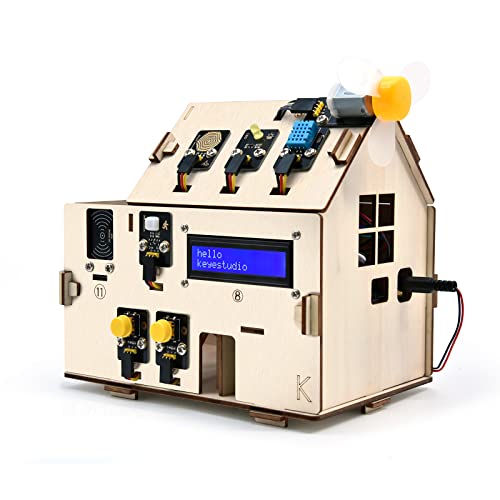
KEYESTUDIO IOT ESP32 Smart Home Starter Kit for Arduino and Python,Electronics Home Automation Coding Kit, Wooden House DIY Sensor Kit,STEM Educational Set for Adults Teens 15+
- Beginner-Friendly Coding Kit: Includes 13 projects for learning electronics
- Versatile Smart Home Functions: Controls lights, fans, air conditioning via mobile
- Supports C and MicroPython: Includes 13 tutorials for easy programming
As an affiliate, we earn on qualifying purchases.
As an affiliate, we earn on qualifying purchases.
Extent of Impact on Third-Party and DIY Users
It remains unclear how broadly the new paid plans will affect individual users and third-party integrations beyond the announced $4.99 tier. Samsung has not specified whether existing free tiers will be phased out or how restrictions might be enforced. The full scope of the impact on open-source platforms like Home Assistant is still emerging, and some users may experience limitations or need to adjust their setups.

Linkind Matter Smart Plug, Work with Apple Home, Alexa, Siri, Google Home
- Easy Setup with Matter: Control via major smart home platforms
- Offline Device Communication: Operate without internet via LAN
- Remote Control Access: Control devices remotely from anywhere
As an affiliate, we earn on qualifying purchases.
As an affiliate, we earn on qualifying purchases.
Expected Changes and User Responses Post-Implementation
After October 2026, Samsung is expected to roll out detailed documentation and support for the new paid tiers. Developers and advanced users will need to evaluate whether to pay for API access or seek alternative platforms. Samsung may also introduce additional tiers or features based on user feedback. The community’s response and adaptation will influence the platform’s ecosystem going forward.
Aeotec Smart Home Hub, Works as a SmartThings Hub, Z-Wave, Zigbee, Matter Gateway, Compatible with Alexa, Google Assistant, WiFi
- Device Compatibility: Works with Z-Wave, Zigbee, Matter, WiFi
- Smart Home Control: Connects and manages multiple devices
- Automation Capabilities: Create custom routines and automations
As an affiliate, we earn on qualifying purchases.
As an affiliate, we earn on qualifying purchases.
Key Questions
Will existing SmartThings API users be affected by the new charges?
Samsung has not yet clarified whether current users will be grandfathered into free access or required to switch to paid plans after October 2026.
What is the cost of the new API access for individual developers?
The new monthly fee for the ‘non-commercial, individual developers’ plan is $4.99.
How might this change affect third-party smart home integrations?
Third-party tools like Home Assistant will be impacted, with some integrations falling under the new paid plans, potentially limiting free access for hobbyists and DIY enthusiasts.
Are there alternative platforms to Samsung’s SmartThings?
Yes, options include Apple HomeKit, Google Home, and open-source platforms like Home Assistant, which may offer different access policies.
Why is Samsung introducing paid tiers now?
Samsung states that the revenue from paid tiers will enable investments in platform stability, new features, and a refreshed Developer Center hub.
Source: The Verge