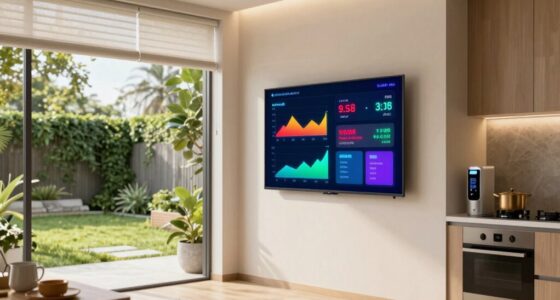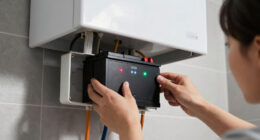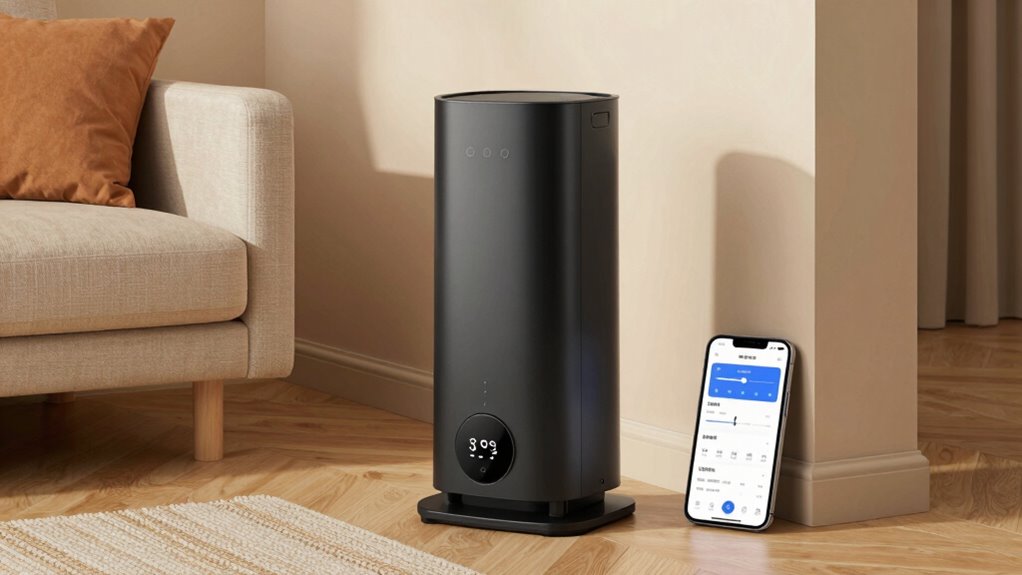

If you want a smart heater with Alexa and app controls worth paying for, look for features like easy installation, reliable Wi-Fi, and safety options. Custom schedules, energy monitoring, and adaptive temperature control help you save energy and stay comfortable. Voice commands make adjustments quick and hands-free, while remote access and geofencing keep your home cozy when you arrive or leave. Keep security in mind, and you’ll find the perfect setup — more tips await if you keep exploring.

Get home appliances delivered free with Prime
- Fast, free delivery on millions of items
- Prime Video, Amazon Music and more included
- Member-only deals all year
Key Takeaways
- Seamless voice control for hands-free temperature adjustments via Alexa, enhancing convenience.
- Customizable scheduling and routines for personalized comfort and energy savings.
- Remote access and geofencing features allow control from anywhere to optimize efficiency.
- Multi-device compatibility ensures consistent control across various smart speakers and hubs.
- Enhanced security with encrypted data and regular updates protect privacy and device integrity.
Products Worth Considering

Hisense 75-Inch U7 Mini-LED ULED 4K UHD Smart Google TV (75U7SG)

Philips Hue Iris Smart LED Table Lamp, White

Philips Hue Festavia 130-Foot Indoor/Outdoor Smart String Lights, 500 LEDs
As an affiliate, we earn on qualifying purchases.
Key Features to Look for in a Smart Heater With Alexa and App Control

When shopping for a smart heater with Alexa and app control, it’s vital to prioritize features that enhance convenience and safety. Look for models that offer straightforward smart heater installation, so setting up is quick and hassle-free. Reliable Wi-Fi connectivity ensures smooth control through the app and Alexa voice commands. Check for extensive warranty coverage options—these protect your investment against defects or malfunctions. A good smart heater should also include safety features like automatic shutoff, overheating protection, and child locks. Compatibility with your existing smart home ecosystem is a bonus, allowing seamless integration. Overall, focus on user-friendly controls, dependable connectivity, and solid warranty coverage options to ensure you get a smart heater that’s both convenient and safe for everyday use. Additionally, understanding the digital concepts behind smart home devices can help you make more informed choices. Recognizing how these connectivity protocols work can improve your overall experience and troubleshooting efficiency. Incorporating safety features such as sensors and alerts can further enhance your peace of mind. Being aware of wireless security measures can help protect your smart devices from potential vulnerabilities. Paying attention to color accuracy in related home entertainment devices can also contribute to a more immersive environment where visuals and ambiance complement your heating setup.
Custom Scheduling and Temperature Settings for Better Comfort

With custom scheduling and temperature settings, you can create personalized heating routines that fit your daily life. Adaptive temperature control adjusts the heat automatically for consistent comfort, even when your schedule changes. Managing these settings is simple, so you can easily optimize your comfort without hassle. Additionally, understanding media literacy can help you better evaluate the information and features of your smart devices, including how affiliate disclosures might influence product recommendations. Being aware of template compatibility is also important to ensure your smart heater integrates smoothly with your existing home automation system. Considering protocol standards can further enhance your device’s interoperability within your smart home environment, helping you make informed decisions about your smart home ecosystem and its compatibility with other devices.
Personalized Heating Routines
Personalized heating routines allow you to tailor your smart heater’s schedule and temperature settings to fit your daily habits, ensuring ideal comfort without wasting energy. You can create specific temperature zones for different rooms, so each space stays comfortable and efficient. For example, you might set a warmer zone in the living room during the day and a cooler one at night. Additionally, some smart heaters offer humidity control, helping you maintain perfect moisture levels for comfort and air quality. This customization means you don’t have to manually adjust settings constantly; instead, your heater adapts to your routine automatically. By leveraging personalized routines, you enjoy consistent comfort tailored to your lifestyle while saving energy and reducing utility bills.
Adaptive Temperature Control
Building on the idea of tailored routines, adaptive temperature control takes customization a step further by adjusting your heater’s settings in real-time based on your habits and preferences. It uses temperature sensors to monitor your environment constantly, ensuring your space stays comfortable without constant manual adjustments. By creating user profiles, the system recognizes individual preferences, automatically fine-tuning the temperature for each person in your home. This means you won’t have to worry about overheating or feeling chilly—your heater adapts seamlessly to your lifestyle. Understanding environmental sensors can help you appreciate how these systems maintain optimal comfort. Additionally, the system’s ability to learn from your routines makes it even more energy-efficient over time. Incorporating smart home integration can further optimize your heating setup, making it more responsive to your daily activities. The use of machine learning allows these systems to become more accurate and personalized as they gather more data about your preferences. As a result, adaptive temperature control can also contribute to cost savings by reducing unnecessary energy consumption. Adaptive temperature control offers smarter comfort, reducing energy waste while maintaining your ideal environment. With this feature, your heater becomes more intuitive, making your living space more personalized and energy-efficient without any extra effort on your part.
Easy Schedule Management
Setting a schedule for your smart heater makes maintaining a comfortable home effortless, especially when your routines change. With custom scheduling, you can set different temperatures for morning, day, and night, guaranteeing ideal comfort without constant adjustments. To get the best results, perform proper temperature calibration during installation, so your heater responds accurately to your preferred settings. Many smart heaters offer intuitive app controls that let you easily tweak schedules or override them when needed. Keep installation tips in mind, like placing sensors in suitable spots, to enhance temperature accuracy. Additionally, understanding off-road gear can inspire creative ways to optimize your home’s heating setup for maximum efficiency. By managing your heater’s schedule effectively, you ensure your home stays cozy when you need it and energy-efficient when you don’t, all with minimal effort. Proper sensor placement and temperature calibration are essential steps to maximize your heater’s responsiveness and comfort.
Why Energy Monitoring Matters in Smart Heating

Have you ever wondered how much energy your smart heater actually uses? Energy monitoring helps you see exactly that. By tracking your heater’s energy consumption, you can identify inefficiencies and adjust your usage accordingly. This data can also help you optimize your system for maximum productivity, ensuring your home remains comfortable and energy-efficient. Analyzing your energy data can offer insights into energy consumption patterns, enabling you to make informed adjustments for better efficiency. This leads to better energy efficiency, meaning you get the same comfort while using less power. Over time, this translates into significant cost savings on your utility bills. Plus, knowing how much energy you’re consuming encourages smarter decisions, like setting more precise schedules or lowering temperature settings when you’re away. Without energy monitoring, you’re often in the dark about your heater’s impact on your energy bill. It’s a simple feature that empowers you to optimize your heating, save money, and reduce your carbon footprint. Understanding cost of somatic therapy can also help manage your payments more effectively if you’re using online platforms to monitor energy expenses.
Voice Command Features That Make Control Easy

With voice commands, you can easily adjust your heater’s temperature without lifting a finger. Multi-device voice compatibility means you can control multiple smart home devices seamlessly through one system. These features make managing your comfort simple and hands-free. Additionally, incorporating adaptive heating allows your system to learn your preferences and optimize energy use automatically. Incorporating privacy and security practices further protects your data and ensures safe operation of your smart home. Integrating smart home technology further enhances convenience by enabling you to automate routines and set schedules for optimal comfort.
Hands-Free Temperature Adjustment
Using voice commands to adjust your smart heater makes temperature control effortless and immediate. With voice command customization, you can set the perfect comfort level without lifting a finger. Simply say the command, and your heater responds instantly, saving you time and effort. To guarantee seamless operation, follow heater installation tips that optimize microphone placement and connectivity. Proper setup minimizes miscommunication and enhances responsiveness. Many smart heaters allow you to customize voice commands for different temperature settings or specific times, making your experience even more tailored. Hands-free adjustment is especially useful when your hands are busy or in different rooms. Overall, this feature transforms your heating control into a quick, intuitive process, giving you convenience and comfort at your command.
Multi-Device Voice Compatibility
Many smart heaters support voice commands across multiple devices, making it easier to control your heating from different rooms or through various platforms. With voice assistant integration, you can effortlessly manage your heater via smart speakers or apps. Multi-room control lets you customize heating zones, ensuring comfort throughout your home. Imagine speaking a command, and your heater responds instantly, whether you’re in the living room, bedroom, or kitchen.
| Room | Device Type |
|---|---|
| Living Room | Smart Speaker |
| Bedroom | Smartphone |
| Kitchen | Voice-Activated Hub |
This setup provides seamless control, so you don’t need to switch apps or move to a specific device. Multi-device voice compatibility simplifies managing your smart heater, making your home smarter and more comfortable.
Remote Access and Geofencing for Convenience and Saving Energy

Remote access and geofencing features let you control your smart heater from anywhere, providing unmatched convenience and energy savings. With remote access, you can adjust your heater’s settings on the go, ensuring your space is comfortable when you arrive home. Geofencing automatically detects your location, turning the heater on or off based on your proximity, which enhances energy efficiency by reducing unnecessary heating. These features give you greater control over your energy consumption while maintaining user privacy, as most smart heaters encrypt data and limit access to authorized devices. By leveraging remote control and geofencing, you save energy and money without sacrificing comfort, making your heating system smarter and more responsive to your daily routines.
Security and Privacy Tips for Smart Heater Controls

While smart heater controls offer convenience, safeguarding your privacy and security is essential to prevent unauthorized access. To do this, verify your device uses data encryption, which protects your information during transmission. Always enable strong, unique passwords to strengthen user authentication and prevent breaches. Regularly update your heater’s firmware and app to patch security vulnerabilities. Avoid sharing login details and disconnect the device from your network if you notice suspicious activity. Additionally, review privacy settings to control what data you share and with whom. By prioritizing data encryption and user authentication, you minimize risks and keep your smart heater secure. Staying vigilant with these security tips helps protect your home and personal information from potential cyber threats.
How to Choose the Best Smart Heater for Your Home

Choosing the right smart heater for your home involves considering your specific heating needs, budget, and the features that will make your life easier. Think about the space you’ll heat and whether you need a portable unit or a fixed installation. Pay attention to smart heater installation options—some models are easy to set up, while others may require professional help. Check warranty coverage to guarantee your investment is protected against defects or malfunctions. Imagine a sleek device that fits seamlessly into your home, with customizable scheduling and remote control. Picture a heater that responds to your voice commands or app, making adjustments effortless. Consider energy efficiency and compatibility with your existing smart home system to maximize convenience and savings.
Frequently Asked Questions
How Secure Are Smart Heater Controls Against Hacking?
Smart heater controls are generally secure, but cybersecurity risks and privacy concerns still exist. You should guarantee your device uses strong, unique passwords and regularly updates its firmware to patch vulnerabilities. Avoid connecting your heater to unsecured Wi-Fi networks. While most brands implement robust security measures, staying vigilant and monitoring your device’s activity helps protect against hacking attempts and keeps your privacy safe.
Can Smart Heaters Detect and Respond to Room Occupancy?
Smart heaters are like attentive hosts, sensing when you’re in the room. They use occupancy detection and motion sensors to identify activity, automatically adjusting the temperature. When motion sensors detect no movement for a set period, the heater can turn down to save energy. This responsive feature guarantees comfort and efficiency, making your living space more intelligent and adaptable without you lifting a finger.
What Is the Typical Lifespan of a Smart Heater With App Controls?
A smart heater with app controls usually lasts around 8 to 10 years, depending on usage and build quality. You benefit from energy efficiency, as you can schedule and monitor heating to save power. User convenience is also key, with remote control options and app alerts making it easy to operate. Proper maintenance can extend its lifespan, helping you maximize your investment while enjoying reliable, efficient heating.
Are Smart Heater Controls Compatible With All Smart Home Ecosystems?
Imagine your smart heater as a universal remote for your home’s climate; it’s designed to work with many systems, but compatibility isn’t universal. Most smart thermostats support popular ecosystems like Alexa, Google Home, or Apple HomeKit, enabling seamless mobile integration. However, some models may require specific hubs or apps, so check your smart thermostat’s compatibility first. This guarantees you can control your heater effortlessly across your preferred smart home ecosystem.
How Do Smart Heaters Perform During Power Outages or Internet Disruptions?
During power outages, smart heaters typically stop functioning because they rely on electricity, showing limited power outage resilience. Internet dependency issues can also affect their performance; if your Wi-Fi drops, remote controls and app features might become unusable. However, many smart heaters have manual controls for basic operation during outages. To guarantee consistent comfort, consider models with backup power options or offline control features, reducing reliance on internet connectivity.
Conclusion
Think of a smart heater with Alexa and app controls as the conductor of your home’s comfort symphony. When you choose the right features—custom schedules, energy monitoring, and remote access—you’re orchestrating a cozy, efficient environment effortlessly. Investing in these controls is like tuning an instrument; it guarantees every note of warmth hits just right, saving energy and keeping your home perfectly comfortable. With the right setup, you’ll enjoy harmony all year round.