You need a different thermostat strategy for your vacation home because it helps you manage energy use wisely, prevent property damage, and maintain comfort even when you’re away. By setting schedules, using remote controls, and adjusting based on weather, you avoid pointless heating or cooling, saving money and protecting your property. Smart thermostats with automation and insights make this easier. Keep going to discover how to implement these effective strategies for your home.
Key Takeaways
- Vacation homes often have irregular occupancy patterns, requiring flexible and adaptive thermostat schedules.
- They benefit from remote control to adjust settings before arrival or during extended absences.
- Energy conservation is crucial to prevent unnecessary heating or cooling during periods of non-occupancy.
- Different climate conditions demand customized temperature management to protect property and ensure comfort.
- Automated systems help optimize energy use and prevent property damage when the home is unoccupied.

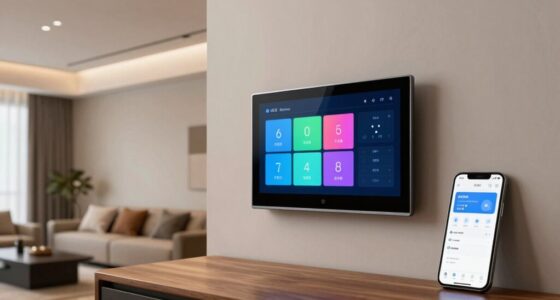
Have you ever wondered how to keep your vacation home comfortable while avoiding high energy bills? The key lies in adopting a different thermostat strategy tailored specifically for seasonal or occasional use. Unlike your primary residence, your vacation home doesn’t need to be heated or cooled constantly. Instead, you want a system that balances comfort with energy conservation, and smart technology can make all the difference. Using smart thermostats, you can control your climate remotely, set schedules, and optimize energy use without sacrificing comfort. These devices learn your preferences over time, making adjustments that save energy while maintaining a cozy environment when you arrive.
When you’re away, your goal should be to prevent extreme temperature fluctuations that can lead to energy waste or even damage to your property. Smart thermostats allow you to set specific temperature ranges, so your vacation home isn’t unnecessarily heated or cooled when nobody’s there. You can program the system to adjust the temperature gradually, avoiding sudden spikes that waste energy. Plus, with remote access, you can turn the system on or off from anywhere, giving you peace of mind that you’re not wasting energy during long absences. This feature is especially useful if your plans change unexpectedly or if you want to ensure the home is comfortable by the time you arrive.
Energy conservation is also about understanding your home’s unique needs. Smart technology offers insights into energy consumption patterns, helping you identify ways to improve efficiency. For instance, some smart thermostats provide reports that show when your system uses the most energy, guiding you to fine-tune your settings for maximum savings. Additionally, integrating your thermostat with other smart home devices, like sensors and window controls, can enhance energy conservation efforts by adjusting temperature based on occupancy or outdoor weather conditions. This level of automation ensures you’re not heating or cooling an empty house. Moreover, smart home integration can help you develop a comprehensive energy-saving strategy tailored to your vacation home’s specific environment. Incorporating indoor air quality considerations, such as proper ventilation and air purification, can further improve comfort and protect your property during long absences. Understanding these energy management techniques can significantly reduce your overall costs and environmental impact.
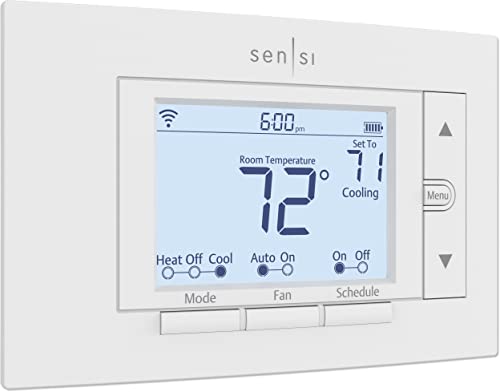
Emerson Sensi Wi-Fi Smart Thermostat for Smart Home, DIY, Works With Alexa, Energy Star Certified, ST55
PRIVACY PROTECTION*: Sensi won’t sell your personal information to third parties
As an affiliate, we earn on qualifying purchases.
As an affiliate, we earn on qualifying purchases.
Frequently Asked Questions
How Often Should I Adjust the Thermostat When Away?
You should adjust the thermostat before leaving your vacation home and set it to a temperature that promotes energy conservation, typically around 55-60°F in winter or 85-90°F in summer. Avoid frequent changes while away, as it wastes energy and increases costs. By maintaining a consistent, energy-efficient setting, you’ll maximize cost savings and protect your property from extreme weather damage, ensuring your home stays safe and energy-efficient during your absence.
Are Smart Thermostats Better for Vacation Homes?
Yes, smart thermostats are better for vacation homes because they enhance energy efficiency and offer remote monitoring. You can control the temperature from anywhere, ensuring your home stays comfortable or saves energy when you’re away. These thermostats learn your preferences over time, optimize settings automatically, and alert you to issues. This convenience and efficiency make smart thermostats ideal for maintaining vacation homes effortlessly and cost-effectively.
What Is the Ideal Temperature Setting for Seasonal Occupancy?
You might think cranking down the thermostat in a seasonal vacation home saves energy, but the ideal setting is around 55-60°F when unoccupied. This keeps the space protected and energy-efficient, preventing costly damage. When you’re there, set it comfortably around 68°F. This balance maximizes energy efficiency and cost savings, proving that careful temperature control isn’t just about comfort—it’s about smart, efficient management of your seasonal retreat.
How Can I Prevent Mold and Humidity Issues?
To prevent mold and humidity issues, you should use effective ventilation systems and humidity control devices. Keep air circulating with exhaust fans and install dehumidifiers to maintain ideal moisture levels. Regularly check for leaks or damp spots and ensure proper insulation. By actively managing ventilation and humidity, you create an environment that discourages mold growth and protects your vacation home, even when you’re away.
Should I Install a Separate Thermostat for Different Zones?
It’s wise to consider a separate thermostat for different zones, especially in vacation homes. Zoning systems help you manage temperature effectively, preventing energy waste and ensuring comfort. Proper thermostat placement is vital—place them where they accurately sense each area’s temperature. This setup allows you to customize settings for each zone, making your vacation home more energy-efficient and comfortable, while avoiding unnecessary wear on your HVAC system.
Emerson Sensi Wi-Fi Smart Thermostat for Smart Home, DIY, Works With Alexa, Energy Star Certified, ST55
PRIVACY PROTECTION*: Sensi won’t sell your personal information to third parties
As an affiliate, we earn on qualifying purchases.
As an affiliate, we earn on qualifying purchases.
Conclusion
To keep your vacation home in top shape, you need a thermostat strategy tailored to its unique needs. Don’t wait until problems arise; be proactive. Think of it as hitting two birds with one stone—saving energy and avoiding costly repairs. By adjusting your approach, you’ll guarantee your getaway stays cozy and welcoming whenever you visit, without wasting a dime. Remember, a stitch in time saves nine, so make your thermostat work smarter, not harder.

Amazon Smart Thermostat – Save money and energy – Works with Alexa and Ring – C-wire required
An Alexa thermostat – Amazon Smart Thermostat is an easy way to switch from a traditional thermostats for…
As an affiliate, we earn on qualifying purchases.
As an affiliate, we earn on qualifying purchases.
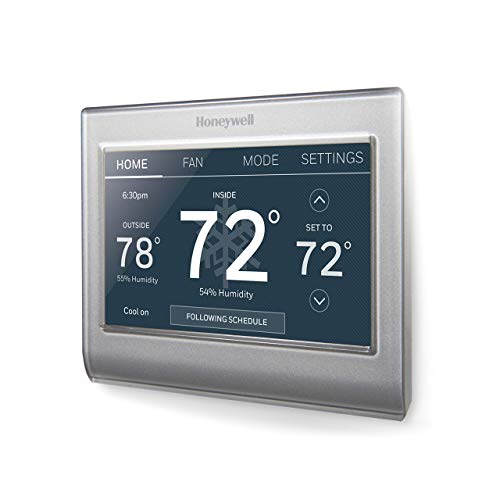
Honeywell Home RTH9585WF1004 Wi-Fi Smart Color Thermostat, 7 Day Programmable, Touch Screen, Energy Star, Alexa Ready, Gray
COMFORT COMES IN YOUR COLOR. Personalize your Wi-Fi Smart Color Programmable Thermostat to fit your décor.
As an affiliate, we earn on qualifying purchases.
As an affiliate, we earn on qualifying purchases.