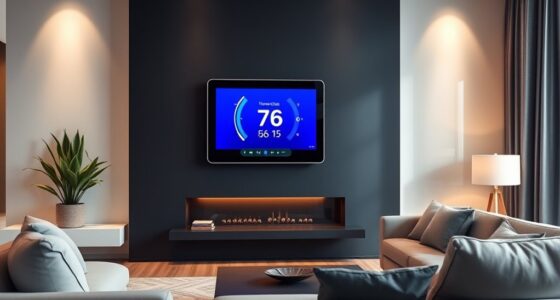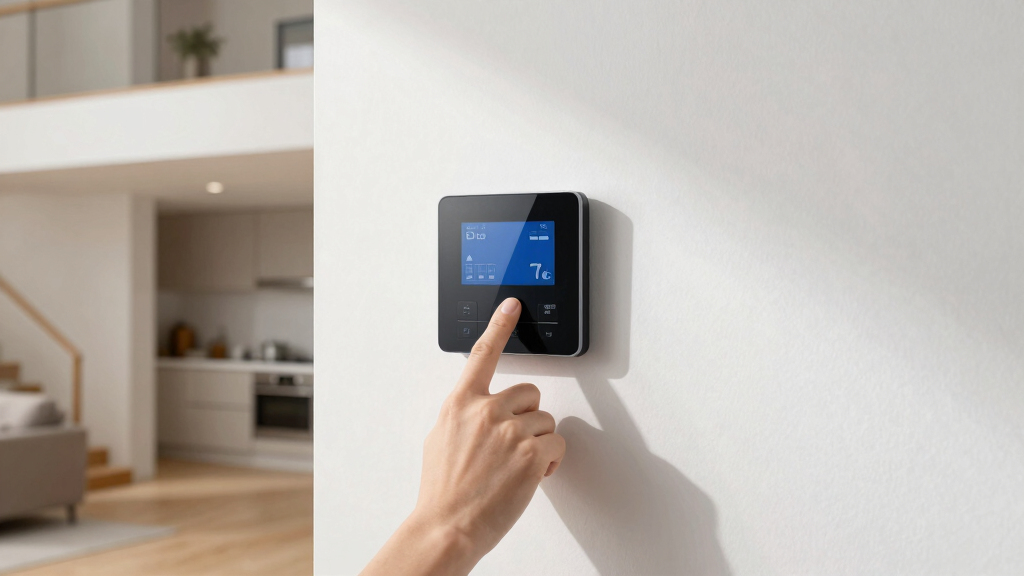

Finding the right smart thermostat for a two-story home can be tricky, as you need reliable zone control and efficient temperature management across multiple floors. The Honeywell RTH9585WF1004 stands out as the best overall choice, offering robust features and easy customization. For those prioritizing energy savings, the ecobee Smart Thermostat Enhanced provides advanced room sensors and smart scheduling. Meanwhile, the Amazon Smart Thermostat makes a budget-friendly option that’s simple to install. Every home has unique needs, so continue reading for a detailed breakdown of these top contenders and what to consider when choosing your ideal smart thermostat.

Get home appliances delivered free with Prime
- Fast, free delivery on millions of items
- Prime Video, Amazon Music and more included
- Member-only deals all year
Key Takeaways
- Room sensors are essential for balancing temperature across two floors, and ecobee models excel here.
- Wiring compatibility, especially C-wire requirements, significantly impacts installation ease.
- User interface and app usability are critical for ongoing comfort adjustments and scheduling.
- Budget options like Amazon’s thermostat still deliver smart features but may lack advanced zoning.
- Energy Star certification helps identify models with proven energy savings and eco-friendly operation.


More Details on Our Top Picks
Honeywell RTH9585WF1004 Wi-Fi Smart Color Thermostat (Gray)
This Honeywell model stands out for its vibrant, customizable color touchscreen, making it easier to match with home decor, unlike the ecobee Smart Thermostat Enhanced, which offers a sleeker interface but less personalization. Its compatibility with forced air, hot water, and heat pumps—excluding electric baseboard—means it covers most standard systems, though the need for a C-wire can be a barrier in some homes. Energy reports and smart home integration with Alexa and Google make it a versatile choice, yet it can’t handle electric baseboard heating, limiting its use in certain setups. Compared to the ecobee, which learns your schedule and offers occupancy sensing, the Honeywell provides more immediate control but less automation. Overall, this pick is well suited for homeowners wanting a colorful, intuitive display and broad system compatibility, provided they are prepared for a C-wire installation.
Pros:- Vivid, customizable color touchscreen to match decor
- Energy Star certified with energy reports for savings
- Supports Alexa and Google Home for voice control
- Intuitive touch interface and mobile app control
Cons:- Requires C-wire installation, which may involve wiring upgrades
- Not compatible with electric baseboard heating systems
Best for: Homeowners with forced air or traditional systems seeking a highly customizable touchscreen thermostat
Not ideal for: Homes with electric baseboard heating, as this model isn’t compatible with those systems
- Model Number:RTH9585WF1004
- Color:Gray
- Compatibility:Forced air, hot water/steam, heat pumps (excluding electric baseboard)
- C-Wire Required:Yes
- Certifications:Energy Star
- Smart Home Integration:Alexa, Google Home
Bottom line: This thermostat is ideal for users who want a colorful, user-friendly interface and system flexibility, assuming they can handle C-wire requirements.
ecobee Smart Thermostat Enhanced – Programmable Wifi Thermostat – Works with Siri, Alexa, Google Assistant – Energy Star Certified – Smart Home
Compared with the Honeywell, which excels in color customization, the ecobee Smart Thermostat Enhanced offers sophisticated features like occupancy-based adjustments and learning your preferences, making it better suited for busy households wanting a set-it-and-forget-it approach. Its built-in radar occupancy sensors and compatibility with SmartSensors allow precise room-specific temperature control, unlike the Honeywell, which relies solely on user input. The ecobee’s ability to automatically adjust when you’re away and preheat or precool based on your schedule provides a higher level of automation, though its installation can be more involved despite including the Power Extender Kit for homes without a C-wire. It supports a wide range of HVAC systems, similar to the Honeywell, but with the added bonus of learning your routines. This makes it an excellent choice for tech-savvy homeowners who prefer a thermostat that adapts seamlessly over time.
Pros:- Learns your schedule and adjusts automatically
- Built-in occupancy sensors for room-specific control
- Works with Siri, Alexa, Google Assistant for voice commands
- Energy reports and eco-smart features for savings
Cons:- Installation may be complex without some DIY experience
- Requires a C-wire in many cases, though included PEK helps
Best for: Tech-driven households seeking automation, learning features, and room-specific control
Not ideal for: Homeowners who prefer simple manual controls or have limited DIY skills, as setup can be complex despite included kits
Bottom line: Ideal for users who want a smart, adaptive thermostat that manages multiple rooms and learns routines for maximum convenience.
Sensi Smart Thermostat (ST55) with Wi-Fi, Alexa Compatibility, and Energy Star Certification
The Sensi ST55 earns its spot by offering a straightforward, traditional thermostat design that fits well into existing wall spaces, unlike the ecobee or Honeywell models with more advanced features. Its focus on privacy—avoiding third-party data sharing—appeals to users wary of data collection, a feature not emphasized by the other options. Installation is simplified with no need for a C-wire in most cases, making it a strong choice for DIYers new to smart thermostats, although some systems might still require wiring upgrades. While it doesn’t have occupancy sensors or learning capabilities like ecobee, it provides essential remote control, scheduling, and energy reports, making it a reliable, no-fuss option. This makes it perfect for homeowners seeking a balance of privacy, simplicity, and energy savings without complexity.
Pros:- Privacy-focused with no third-party data sharing
- Easy DIY installation, often no C-wire needed
- Energy Star certified with energy savings reports
- Traditional design fits standard wall mounts
Cons:- Limited automation and learning features
- May require C-wire in certain HVAC setups
Best for: Privacy-conscious homeowners and beginners who want an easy, reliable smart thermostat without extra automation features
Not ideal for: Smart home enthusiasts seeking advanced automation or room-specific controls, as the ST55 lacks these features
- ASIN:B01NB1OB0I
- Model Number:ST55
- Wi-Fi Compatibility:Yes
- Alexa Integration:Yes
- Energy Star Certified:Yes
- Installation Type:DIY (No C-wire required in most cases)
Bottom line: Perfect for users seeking a straightforward, privacy-respecting thermostat with simple installation and reliable control.
ecobee Smart Thermostat Essential – Energy Star Certified programmable Wi-Fi Thermostat – Works with Siri, Alexa, and Google Assistant
Compared with the ecobee Enhanced, the Essential version offers similar core features like scheduling and compatibility with smart assistants but at a lower price point, making it attractive for budget-conscious households. Its ability to save up to 23% on annual energy costs aligns with the ecobee’s reputation for efficiency, though it doesn’t include occupancy sensors or learning algorithms, which are features of the higher-end model. The straightforward color touchscreen and easy DIY installation, including the optional Power Extender Kit, provide a hassle-free upgrade for homes without a C-wire. While it supports most HVAC systems like the ecobee Enhanced, it lacks some advanced automation, making it less suitable for tech-heavy households but perfect for those wanting reliable energy savings at a lower cost.
Pros:- Affordable price point for essential smart features
- Supports major smart home platforms including Apple HomeKit
- Easy DIY installation, no C-wire needed with PEK
- Energy savings potential of up to 23%
Cons:- Lacks occupancy sensors and learning algorithms
- Limited automation compared to higher-end ecobee models
Best for: Budget-conscious homeowners seeking a reliable, easy-to-install smart thermostat with good energy savings
Not ideal for: Homes wanting advanced automation like occupancy sensing and learning capabilities, which this model omits
Bottom line: A cost-effective choice for homeowners wanting reliable scheduling and energy savings without advanced automation features.
Honeywell Home X2S Smart Thermostat (Gray)
This Honeywell X2S stands out for its Matter certification, ensuring seamless integration across multiple smart home platforms, a step beyond the Alexa and Google compatibility of the ecobee Enhanced. Its ability to support both conventional and heat pump systems makes it versatile, similar to the Honeywell RTH9585 but with the added benefit of Matter, which future-proofs the system. Its features like auto-away, humidity monitoring, and filter reminders are comparable to other premium models, though it also requires a C-wire, limiting installation flexibility in some homes. Compared to ecobee, which emphasizes automation, the Honeywell provides a more straightforward, reliable experience with broader device compatibility. It suits homeowners wanting a dependable, cross-platform compatible thermostat that integrates easily into existing smart homes, provided they can handle wiring requirements.
Pros:- Matter Certified for broad device compatibility
- Supports conventional and heat pump systems
- Auto-away, humidity, and filter reminders enhance comfort and maintenance
- Energy Star certified for energy efficiency
Cons:- Requires C-wire installation, which may involve wiring upgrades
- Limited to specific HVAC configurations
Best for: Homeowners wanting a reliable, future-proof thermostat compatible with multiple smart home ecosystems
Not ideal for: Homes without a C-wire or those seeking advanced learning and occupancy features
- Compatibility:Conventional/Heat Pump
- Connectivity:WiFi + app control, Matter Certified
- Features:Programmable schedules, auto-away, humidity, filter reminders
- Power Requirement:C-wire required
Bottom line: Ideal for users who prioritize cross-platform compatibility and reliable performance in their smart home setup, with wiring considerations in mind.
Amazon Smart Thermostat – Save money and energy – Works with Alexa and Ring – C-wire required
This thermostat stands out for its seamless integration with Alexa and Ring, making it an ideal choice for households already invested in Amazon’s ecosystem. Compared with the Sensi Touch 2, it offers more robust voice control and automation capabilities, especially when used with Echo devices, but it lacks a touchscreen display, which some users may prefer. Its automatic adjustments based on presence detection and routines help optimize comfort and energy savings, though it requires a C-wire for installation, which could be a hurdle for some homes. The built-in rebate info and Energy Star certification add value for budget-conscious users aiming to reduce bills. Overall, this pick makes the most sense for those prioritizing voice control and smart home integration over advanced display features.
Pros:- Deep integration with Alexa and Ring for effortless voice commands
- Automatic routines based on presence detection reduce energy waste
- Rebate information can help lower upfront costs
Cons:- Requires a C-wire, which may not be present in older homes
- Lacks a touchscreen display, limiting manual control options
Best for: Homeowners who want easy voice control and are already using Alexa or Ring devices
Not ideal for: Users without a C-wire or those preferring a touchscreen interface for manual control
- Compatibility:Works with Alexa and Ring
- Installation:C-wire required
- Energy Savings:EPA estimates $50/year
- Automation:Presence detection and routines
- Control:On-the-go via Alexa app
- Design:Simple, no touchscreen
Bottom line: This thermostat is perfect for Alexa-centric households seeking easy automation and voice control, but not for those needing a display or without a C-wire.
Sensi Touch 2 Smart Thermostat with Touchscreen Color Display, 100 Years of Expertise, Programmable, Wi-Fi, Data Privacy, Easy DIY, Works with Alexa, Energy Star Certified, ST76, C-Wire Required
The Sensi Touch 2 makes a compelling case for users who prefer a visual, touchscreen interface for managing their HVAC. Its color display allows easy scheduling, remote adjustments, and monitoring, making it more intuitive than the Amazon Smart Thermostat’s minimal interface. Compared with the ecobee models, it offers comparable energy savings (around 23%) but with a focus on privacy and straightforward DIY installation. The compatibility with room sensors (sold separately) enables zoning, which is particularly beneficial in two-story homes where temperature disparities are common. However, it requires a C-wire, and its feature set isn’t as deep in automation as some premium options. This model suits homeowners seeking detailed control and zoning without the complexity of high-end smart thermostats.
Pros:- Large, easy-to-read color touchscreen for manual control
- Supports room sensors for zoning in multi-story homes
- Strong focus on data privacy and energy savings
Cons:- Requires a C-wire, which can complicate installation
- Less advanced automation compared to higher-end thermostats
Best for: Homeowners wanting a touchscreen display, easy DIY setup, and zoning capability for two-story homes
Not ideal for: Users who want advanced automation routines or are uncomfortable with wiring installation
- Display:Color touchscreen
- Compatibility:Works with Alexa
- Energy Savings:Approximately 23%
- Zoning:Supports room sensors
- Installation:C-wire required
- Privacy:Data protected
Bottom line: Ideal for those who value a visual interface and zoning flexibility, but less suitable for users seeking complex automation or wireless installation without a C-wire.
How We Picked
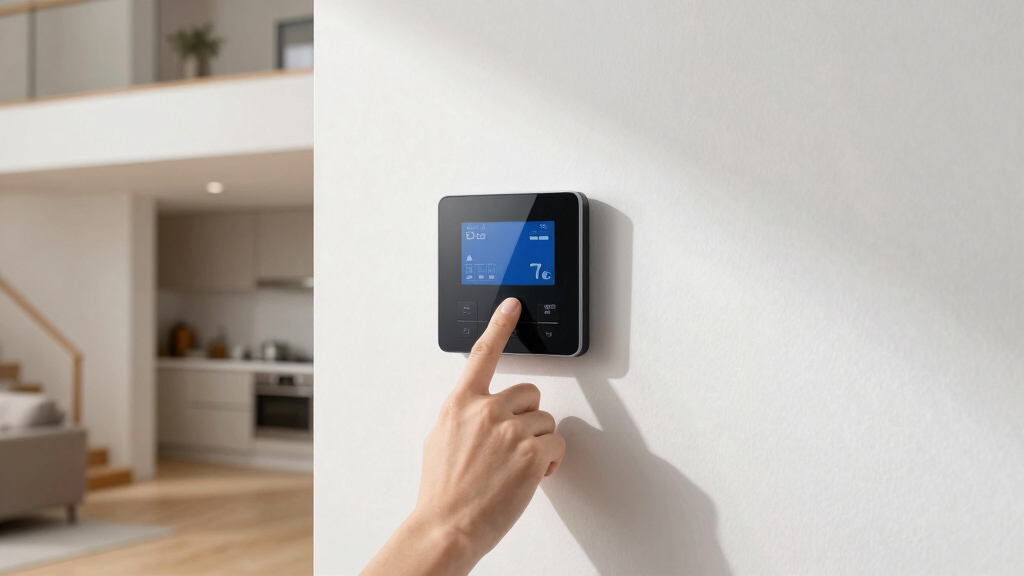
To determine the best smart thermostats for two-story homes, I focused on performance, usability, and adaptability to multi-zone settings. Priority was given to models with reliable Wi-Fi connectivity, compatibility with popular voice assistants, and features that support effective temperature control across multiple floors. Build quality and ease of installation also played a key role, especially for DIY homeowners. The ranking reflects a balance between advanced features and value, emphasizing models that excel in managing two-story layouts while maintaining straightforward setup and operation.Factors to Consider When Choosing Best Smart Thermostats For Two-story Homes
Choosing the best smart thermostat for a two-story home involves more than just features; you need to consider how well it adapts to your home’s layout and your personal comfort preferences. Proper zoning, wiring compatibility, and ease of use are critical factors that can make or break your experience. The following sections highlight key considerations to help you avoid common pitfalls and select a model that truly meets your needs.Zoning and Room Control
Effective zoning is the cornerstone of comfortable heating and cooling in a two-story home. Look for thermostats that support multiple sensors or are compatible with additional room sensors, allowing you to regulate temperature on each floor independently. This avoids overworking your HVAC system and reduces energy waste. Beware of models that claim smart zoning but lack sensor support, as they may not deliver the desired comfort across different zones.
Wiring and Compatibility
Wiring compatibility is often overlooked but can significantly impact installation. Many smart thermostats require a C-wire for constant power; if your system lacks one, you might need an adapter or choose models that operate without it. Double-check your existing wiring before purchase to prevent surprises. Selecting a model with flexible power options helps ensure a smooth installation process, especially in older homes with outdated wiring.
Ease of Use and App Integration
A user-friendly app and intuitive interface make ongoing adjustments easier, especially when managing two floors. Look for thermostats with clear, responsive touchscreen displays and straightforward setup procedures. Compatibility with voice assistants like Alexa, Google Assistant, or Siri adds convenience, allowing you to control temperature hands-free. Avoid models with overly complicated menus that might frustrate less tech-savvy users.
Energy Efficiency and Certifications
Energy Star certification signals a model’s commitment to energy savings and environmentally friendly operation. Features like adaptive scheduling, smart learning, and occupancy sensors further enhance efficiency. Keep in mind that higher upfront costs often translate into greater long-term savings through reduced energy bills. Balance your budget with these energy-conscious features to find a model that delivers both comfort and savings.
Cost and Long-Term Value
Smart thermostats vary widely in price, from budget-friendly options to premium models with advanced features. Consider your long-term savings potential and whether features like remote access, advanced zoning, or energy reports justify the investment. Cheaper models may lack multi-zone control or seamless integrations, which could limit their effectiveness in a two-story layout. Aim for a model that offers the features you need without paying for unnecessary extras.
Frequently Asked Questions
Do I need a C-wire to install a smart thermostat in my two-story home?
Many smart thermostats do require a C-wire for continuous power, which is common in modern HVAC systems. If your home lacks a C-wire, some models can operate on power stealing or can be powered via a common wire adapter. It’s important to check your existing wiring before purchasing. If installing a new wire is difficult, choosing a thermostat designed for no-C-wire setups can simplify installation, especially in older homes.
Can I control multiple zones or floors with one smart thermostat?
Most single thermostats control one zone or floor, but models like ecobee support additional room sensors or multiple thermostats for multi-zone control. If you want precise temperature management across two floors, consider a system that supports zoning or multiple sensors. For larger homes, installing separate thermostats or a dedicated zoning system might provide better results than relying solely on a single device.
Are smart thermostats worth the extra cost for a two-story home?
Smart thermostats can significantly improve comfort and reduce energy bills when properly configured for multi-floor use. Features like remote control, learning algorithms, and multi-zone support justify the investment, especially in larger homes where temperature inconsistencies are common. However, the value depends on your willingness to set up and maintain the system. For smaller or less complex homes, simpler models might offer sufficient savings without the higher price tag.
How important is voice assistant compatibility in a two-story home?
Voice assistant compatibility adds convenience, allowing you to adjust temperatures without walking to the thermostat. This can be especially helpful in multi-floor homes where reaching the thermostat may be inconvenient. Compatibility with Alexa, Google, or Siri also enables integration with other smart home devices, creating a more cohesive ecosystem. If you’re already invested in a specific voice platform, prioritize models that support it for seamless integration.
What features should I prioritize for managing temperature in a two-story home?
Prioritize models with multiple sensors or support for additional room sensors to balance temperatures effectively. A responsive app and voice control help with quick adjustments, while energy-saving features like adaptive scheduling maximize efficiency. Compatibility with your existing smart home ecosystem and easy installation are also key considerations. Avoid overly complex setups if you prefer a straightforward, plug-and-play solution that still provides multi-floor comfort.
Conclusion
For most homeowners, the Honeywell RTH9585WF1004 offers the best overall experience thanks to its robust feature set and reliable performance. The ecobee Smart Thermostat Enhanced makes a strong case for those seeking advanced zoning and energy savings, while the Amazon Smart Thermostat is ideal for budget-conscious users who want basic smart control.
Beginners or those with simple needs should focus on models with straightforward installation and user interfaces, like the Amazon option. For larger homes with complex zoning, investing in a model with multiple sensors or supporting multiple thermostats will pay off long-term. Ultimately, your choice should reflect your home’s layout, your tech preferences, and your budget, ensuring comfortable living across both floors.
Fall yard work Picks
leaf blowers
As an affiliate, we earn on qualifying purchases.