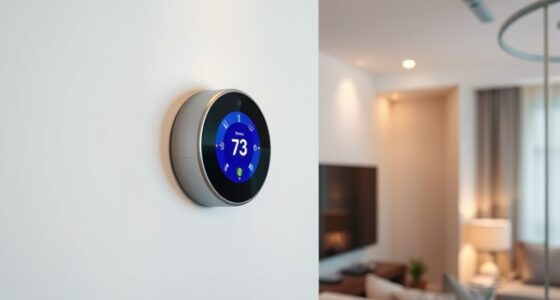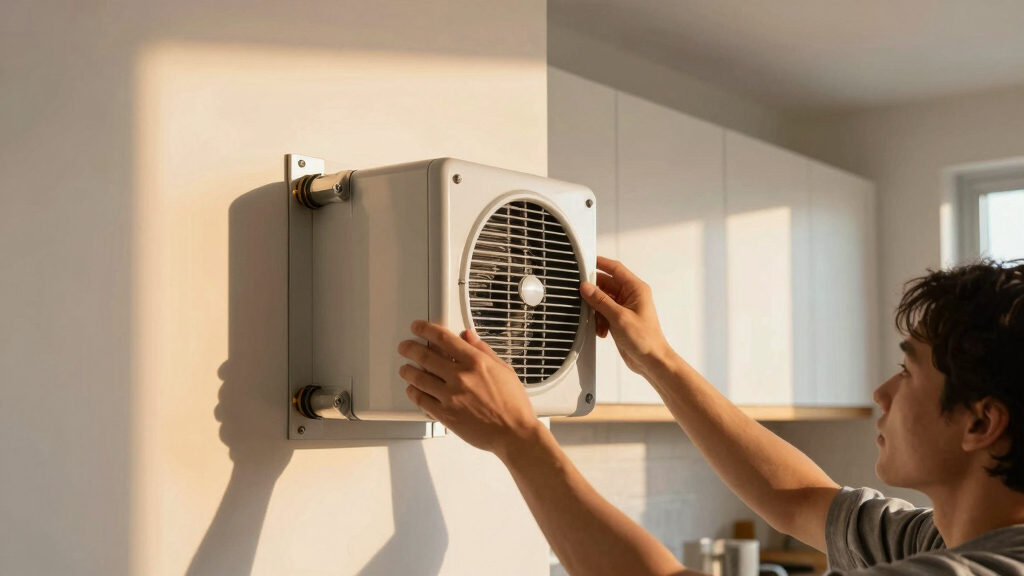

Choosing the best single room heat recovery ventilator (HRV) involves balancing performance, ease of use, and cost. The Pioneer 50 Wi-Fi stands out as the best overall pick thanks to its reliable energy recovery and smart connectivity, making it ideal for most users. The Panasonic FV-06VE1 WhisperComfort offers quiet operation perfect for bedrooms, while the LINGGONGAIR Ceramic Core Wall Ventilator delivers a simple, affordable solution for basic needs. These options highlight common tradeoffs: higher performance often means higher cost, and more features can complicate installation. Continue reading for a detailed breakdown of each model’s strengths and tradeoffs.

Get home appliances delivered free with Prime
- Fast, free delivery on millions of items
- Prime Video, Amazon Music and more included
- Member-only deals all year
Complete the kit


Key Takeaways
- The top picks balance energy recovery efficiency with ease of installation and maintenance.
- Wi-Fi connectivity is a standout feature for users who want remote control and smart home integration.
- Quiet operation remains a key priority for bedrooms and living spaces, influencing model selection.
- Price varies significantly; the most advanced models tend to cost more but offer better durability and features.
- Many products share similar core features but differ in build quality, control options, and size compatibility.
| Pioneer 50 Wi-Fi Single-Room Wall-Mounted Energy Recovery Ventilator |  | Best Overall for Compact, High-Efficiency Heat Recovery | Heat recovery: Up to 97% | Maximum airflow: 35.3 CFM | Power consumption: 6–8 W | VIEW LATEST PRICE | See Our Full Breakdown |
| Panasonic FV-06VE1 WhisperComfort 60 ERV, 60 CFM | 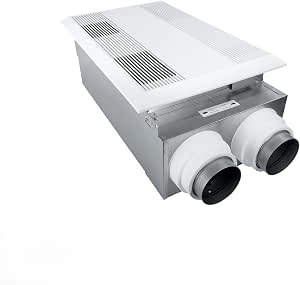 | Best for Balanced Ventilation and Moisture Control | Airflow: 20–50 CFM low; up to 60 CFM boost | Core: High-efficiency capillary | Mounting: Ceiling or wall | VIEW LATEST PRICE | See Our Full Breakdown |
| LINGGONGAIR 4-Inch Ceramic Core Reversible Wall Ventilator |  | Best for Simple Reversible Ventilation Without Electronics | Diameter: 4 inches | Motor: 5W EC | Airflow: Reversible intake/exhaust | VIEW LATEST PRICE | See Our Full Breakdown |
| LINGGONGAIR 4-Inch Heat Recovery Ventilator with WiFi and Remote |  | Best for Continuous, Smart, Low-Energy Ventilation | Duct Diameter: 4 inches | Motor Type: EC | Power Consumption: 5 watts | VIEW LATEST PRICE | See Our Full Breakdown |
| VENTS-US Micra 100 FreshBox Single-Room Heat Recovery Ventilator |  | Best for High-Efficiency, Adjustable Flow in Single Rooms | Airflow: 18–59 CFM | Thermal recovery: Up to 98% | Supply filters: MERV 8 and MERV 14 | VIEW LATEST PRICE | See Our Full Breakdown |
| Weiworld 6-Inch Heat Recovery Ventilator with Ceramic Heat Exchanger |  | Best Compact Single-Room Heat Recovery Ventilator | Diameter: 150 mm (6 in) | Heat recovery: Up to 90% | Motor: 8.5 W EC motor with PWM control | VIEW LATEST PRICE | See Our Full Breakdown |
| Pioneer ECOasis 150 Ductless Wall-Mounted Wi-Fi Energy Recovery Ventilator |  | Best Multi-Feature Ductless ERV for Medium-Sized Rooms | Type: Ductless energy recovery ventilator | Installation: Wall-mounted | Coverage: 200–500 sq. ft. | VIEW LATEST PRICE | See Our Full Breakdown |
More Details on Our Top Picks
Pioneer 50 Wi-Fi Single-Room Wall-Mounted Energy Recovery Ventilator
This model stands out as the best overall choice for individuals seeking a highly efficient, low-power heat recovery solution with smart control features. It recovers up to 97% of heat, making it ideal for maintaining comfortable indoor temperatures without significant energy costs. Compared to the VENTS-US Micra, which offers slightly higher recovery up to 98%, the Pioneer’s Wi-Fi connectivity and built-in CO₂ sensor add a layer of convenience and air quality monitoring that many users find valuable. However, its maximum airflow of 35.3 CFM may limit its suitability for larger rooms or spaces needing more ventilation. The requirement to install two units for seasonal preheating or cooling could be a drawback for those seeking a single, comprehensive solution. Ideal for small to medium rooms where energy efficiency and smart features are priorities.
Pros:- Recovers up to 97% of heat, significantly reducing energy loss
- Low power consumption of only 6–8 W
- Wi-Fi control and built-in CO₂ sensor for smart operation
- Washable prefilters and high-grade F7 (MERV 13) filtration
Cons:- Maximum airflow is limited to 35.3 CFM, which may be insufficient for larger rooms
- Requires two units for effective seasonal preheating or cooling, increasing complexity and cost
Best for: Homeowners looking for a compact, energy-efficient, Wi-Fi-enabled ventilator with advanced air quality sensors
Not ideal for: Larger open-concept spaces or users needing high airflow capacity, as the maximum airflow is limited
- Heat recovery:Up to 97%
- Maximum airflow:35.3 CFM
- Power consumption:6–8 W
- Filter:F7 (MERV 13) with washable prefilters
- Controls:Wi-Fi, onboard interface, remote
- Dimensions:9-3/8 × 19-5/8 × 10-1/8 in
Our verdict“This unit is perfect for tech-savvy homeowners seeking efficient, compact ventilation with smart features, but less ideal for larger spaces requiring higher airflow.”
Panasonic FV-06VE1 WhisperComfort 60 ERV, 60 CFM
The Panasonic FV-06VE1 makes a compelling case for those prioritizing balanced fresh air supply and moisture management. Its heat recovery core helps maintain indoor humidity levels while recovering heat, which makes it a better fit than the Pioneer in environments where moisture control is critical. Its adjustable airflow up to 60 CFM and boost mode provide flexibility for different occupancy levels. Unlike the VENTS-US Micra, which is designed exclusively as a single-room solution, the Panasonic offers a more versatile installation with ceiling or wall mounting options and static pressure ports for airflow checks, adding to its appeal for more technical users. It lacks integrated Wi-Fi, which could be a downside for smart-home enthusiasts, but this allows for a more straightforward, wired installation. Ideal for mid-sized rooms or homes where moisture and air quality balance matter most.
Pros:- Provides balanced fresh air supply and exhaust
- Adjustable airflow with a boost function for flexible ventilation
- Helps maintain humidity levels, reducing mold risk
- Ceiling or wall mounting options for versatile installation
Cons:- Requires professional installation, which adds complexity and cost
- No built-in Wi-Fi for remote control or smart integration
Best for: Homeowners seeking a balanced ventilation solution with adjustable airflow and moisture control, without requiring smart controls
Not ideal for: Users who prefer Wi-Fi connectivity or need a unit for large open spaces, as airflow is limited compared to larger units
- Airflow:20–50 CFM low; up to 60 CFM boost
- Core:High-efficiency capillary
- Mounting:Ceiling or wall
- Certification:HVI certified
- Power:Requires installation
- Size:Standard mounting options
Our verdict“This ventilator suits homeowners who want balanced, moisture-aware ventilation without smart features, especially in medium-sized spaces.”
LINGGONGAIR 4-Inch Ceramic Core Reversible Wall Ventilator
This reversible wall ventilator focuses on straightforward, manual operation, making it an ideal choice for those who prefer simplicity over smart features. Its ceramic core is washable and reusable, providing a durable solution for switching between fresh-air intake and stale-air exhaust via remote control—no wiring needed. Compared to the LINGGONGAIR Wi-Fi model, this version offers no electronic control or humidity features, but it excels in ease of installation for DIYers willing to drill for wall mounting. It’s less suited for environments with heavy grease, oil, or high particulate loads, since the ceramic filter needs rinsing every three months. This unit is well-suited for small spaces where ease of use and basic ventilation are priorities. Ideal for users who want a low-tech, reversible vent with minimal maintenance.
Pros:- Reversible intake/exhaust with remote control
- Washable, reusable ceramic core ensures durability
- Plug-in operation requires no wiring or electrician
- Rain-deflecting stainless steel hood protects against weather
Cons:- Requires drilling for wall mounting, which may be challenging for some
- Filter needs rinsing every three months, adding ongoing maintenance
Best for: DIY homeowners seeking a simple, reversible ventilation solution with no need for wiring or smart controls
Not ideal for: Larger or high-particulate environments, or those wanting remote or Wi-Fi operation, as this model lacks electronic control
- Diameter:4 inches
- Motor:5W EC
- Airflow:Reversible intake/exhaust
- Filter:Washable ceramic
- Outdoor hood:Stainless steel
- Installation:Wall mount; drilling required
Our verdict“This pick is best for DIY enthusiasts wanting a simple, reversible vent without electronics or smart features, suitable for small spaces.”
LINGGONGAIR 4-Inch Heat Recovery Ventilator with WiFi and Remote
The LinggongAir WiFi Heat Recovery Ventilator is designed for users who want continuous, energy-efficient ventilation combined with remote operation. Its ceramic heat exchanger recovers thermal energy during operation, helping reduce heating and cooling costs over time. The unit’s Wi-Fi app and remote control simplify management, while six operating modes—including humidity and sleep settings—allow for tailored comfort. The 5-watt EC motor supports low-energy, 24/7 operation, making this an excellent choice for those who value smart home integration and quiet operation. Compared with the Pioneer, which is more compact, this model offers more modes and greater continuous operation capability, though it requires a standard 4-inch wall opening. It’s less suited for environments demanding high airflow or heavy particle filtration. Ideal for tech-savvy homeowners seeking smart, continuous ventilation with energy savings.
Pros:- Ceramic heat exchanger minimizes energy loss during operation
- Wi-Fi app and remote control for convenient management
- Multiple modes including humidity and sleep functions
- Low 5-watt EC motor supports continuous, energy-efficient operation
Cons:- Requires a 4-inch wall opening, which may limit installation options
- No mention of integrated air quality sensors or filters
Best for: Homeowners wanting a smart, continuous ventilation system with multiple operating modes and energy-efficient design
Not ideal for: Environments with heavy grease, oil, or particulates, or users requiring high airflow capacity
- Duct Diameter:4 inches
- Motor Type:EC
- Power Consumption:5 watts
- Operation Modes:Supply, exhaust, recirculation, humidity, sleep, continuous
- Heat Exchanger:Ceramic
- Control:WiFi app and remote
Our verdict“This unit is well-suited for tech-forward homeowners seeking smart, low-energy, continuous ventilation with customizable modes.”
VENTS-US Micra 100 FreshBox Single-Room Heat Recovery Ventilator
The VENTS-US Micra 100 is tailored for those who need a highly efficient, adjustable, single-room heat recovery solution. With up to 98% thermal recovery, it outperforms many competitors like the Pioneer in energy efficiency. Its five-speed fan and Wi-Fi control offer precise airflow management, suitable for varying occupancy or comfort needs. The inclusion of MERV 8 and MERV 14 filters ensures good air quality, especially for allergy sufferers or environments with higher particulate loads. Its through-the-wall mounting kit makes installation straightforward, but it’s limited to single-room application, unlike multi-room or whole-house systems. For users seeking maximum energy recovery and adjustable airflow, this model provides a robust, dedicated solution. Best for those prioritizing top-tier energy recovery with flexible airflow options in a single room.
Pros:- Recovers up to 98% of thermal energy, the highest in this group
- Includes both MERV 8 and MERV 14 filters for improved air quality
- Five airflow speeds and Wi-Fi control for precise management
- Includes mounting kit and installation template for ease
Cons:- Limited to single-room applications, not suitable for whole-home ventilation
- Requires through-the-wall installation, which may not be feasible in all buildings
Best for: Homeowners needing a high-efficiency, adjustable, single-room heat recovery ventilator with Wi-Fi control
Not ideal for: Large spaces or whole-house ventilation, as it is designed specifically for single-room use
- Airflow:18–59 CFM
- Thermal recovery:Up to 98%
- Supply filters:MERV 8 and MERV 14
- Control:Wi-Fi, onboard, remote
- Installation:Through-the-wall kit
- Fan speeds:5
Our verdict“This ventilator excels for users seeking maximum energy recovery and airflow control in a dedicated single-room environment.”
Weiworld 6-Inch Heat Recovery Ventilator with Ceramic Heat Exchanger
This model stands out for its high heat recovery efficiency of up to 90%, thanks to its ceramic heat exchanger, which surpasses many plastic-based alternatives like the LINGGONGAIR 4-Inch models. Its Wi-Fi app and remote control make operation convenient, especially for tech-savvy users who want control from afar. The low-power 8.5 W EC motor ensures quiet operation under 30 dB, making it ideal for bedrooms or quiet spaces. However, its design limits it to single-room use, and installation requires wall mounting, which may not suit all spaces. Compared with ductless options like the Pioneer ECOasis 150, it offers simpler installation but fewer features for air quality monitoring. The magnetic panel provides easy access for filter maintenance, but the unit’s size and wall installation requirement mean it’s less flexible for renters or those with limited wall space.
Pros:- Ceramic heat exchanger recovers up to 90% of heat, improving energy efficiency
- Wi-Fi app and remote control for convenient operation
- Very quiet operation under 30 dB
Cons:- Limited to single-room use, restricting overall home ventilation
- Requires wall installation, which may not be suitable for all wall types or renters
Best for: Homeowners looking for a highly efficient, quiet, single-room heat recovery unit with smart controls.
Not ideal for: Renters or those needing multi-room ventilation, as it’s designed for a single space and requires wall mounting.
- Diameter:150 mm (6 in)
- Heat recovery:Up to 90%
- Motor:8.5 W EC motor with PWM control
- Noise level:Under 30 dB
- Airflow capacity:60 m³/h
- Modes:Fresh air, exhaust, recirculation
- Controls:Tuya app, remote, push button
- Filter:Replaceable G4 filter
- Material:ABS
Our verdict“This pick makes the most sense for homeowners seeking a compact, efficient, and quiet ventilator for a dedicated room.”
Pioneer ECOasis 150 Ductless Wall-Mounted Wi-Fi Energy Recovery Ventilator
Compared to the Weiworld model, the Pioneer ECOasis 150 extends its appeal through integrated air quality sensors like PM2.5 and CO2 monitors, making it ideal for users prioritizing indoor air health. Its multi-stage filtration—including HEPA H10 and activated charcoal filters—delivers superior air purification, which the Weiworld lacks. The unit’s 82% heat exchange efficiency is slightly lower but balanced by its additional air quality features. Its quiet operation, with noise levels as low as 23 dB, makes it suitable for bedrooms or living rooms. Installation remains wall-mounted, but its coverage of 200 to 500 square feet fits medium-sized rooms well. The main tradeoff is that it cannot serve larger or multiple rooms simultaneously, unlike ducted systems. For users who want comprehensive air management in a single room with smart controls, this model offers a compelling mix.
Pros:- Combines energy recovery with advanced air filtration and purification
- Includes PM2.5 and CO2 sensors for real-time indoor air quality monitoring
- Quiet operation with noise levels as low as 23 dB
Cons:- Limited to rooms up to 500 square feet, not suitable for larger spaces
- Requires wall-mounted installation, which may limit placement flexibility
Best for: Homeowners seeking a versatile, multi-feature ventilator with indoor air quality monitoring and purification for rooms up to 500 sq. ft.
Not ideal for: Large open-plan spaces or multi-room setups, as its coverage is limited and it’s designed for smaller, controlled environments.
- Type:Ductless energy recovery ventilator
- Installation:Wall-mounted
- Coverage:200–500 sq. ft.
- Filtration:4-stage; includes PM2.5 and activated charcoal filters
- Heat exchanger efficiency:82%
- Power consumption:35 W
- Noise level:23–37.9 dB
- Sensors:PM2.5 and CO2
- Controls:Wi-Fi app, touchscreen, remote
Our verdict“This unit suits those who want an all-in-one solution for air quality and energy-efficient ventilation within a medium-sized room.”

How We Picked
Our evaluation focused on the core performance of each heat recovery ventilator, including energy efficiency, airflow capacity, and overall build quality. Usability was a key factor, especially for single room setups where simplicity and quiet operation matter most. We also considered features like Wi-Fi connectivity, remote control, and ease of installation. Durability and maintenance requirements played a role, as well as value for the price. The ranking reflects a balance of these factors, prioritizing models that deliver reliable performance without unnecessary complexity or cost.Factors to Consider When Choosing Best Single Room Heat Recovery Ventilators
When selecting a single room heat recovery ventilator, it’s important to consider several factors that impact both performance and usability. Understanding these can help you avoid common pitfalls and choose a model that truly fits your needs.Energy Efficiency and Airflow Capacity
Look for models with high heat recovery efficiency to maximize energy savings while maintaining good airflow. For small spaces, an airflow capacity of around 50-70 CFM is usually sufficient, but larger rooms may require higher capacity units. Balancing efficiency with airflow ensures your room stays ventilated without excessive energy use or noise.
Ease of Installation and Maintenance
Consider whether the model is designed for straightforward installation—wall-mounted units with simple wiring are ideal for single rooms. Maintenance features like accessible filters and easy-to-clean heat exchangers reduce long-term hassle. Avoid overly complex systems if you prefer a quick setup or plan to do DIY installation.
Smart Features and Connectivity
Wi-Fi control and remote operation are increasingly valuable, especially for adjusting ventilation in real-time or integrating with smart home systems. However, these features often come with higher costs and added complexity. Decide if these capabilities align with your comfort level and budget.
Noise Levels
Quiet operation is essential for bedrooms or quiet spaces. Look for models with noise ratings below 30 dB for unobtrusive performance. Higher airflow units tend to be noisier, so prioritize sound insulation or quieter motor options if noise is a concern.
Price and Long-term Value
While budget models may save upfront costs, they might lack durability or advanced features. Premium options often provide better energy efficiency and longer lifespan but at a higher initial investment. Assess your long-term needs and maintenance expectations to find the best value.
Frequently Asked Questions
Will a single room HRV significantly reduce my energy bills?
Yes, a well-chosen HRV can lower your energy bills by recovering heat from outgoing air and reducing the need for additional heating or cooling. The actual savings depend on factors like room size, climate, and system efficiency. Over time, energy recovery can offset the initial investment, especially in colder climates where heat retention is critical.
Can I install a single room HRV myself, or do I need a professional?
Many single room HRVs are designed for straightforward installation, often fitting into standard wall spaces with minimal wiring. However, for optimal performance and safety, especially with electrical connections and ventilation ducting, hiring a professional is recommended. Proper installation ensures efficient operation and reduces the risk of issues later on.
How important are Wi-Fi features for a single room HRV?
Wi-Fi connectivity adds convenience by allowing remote control and monitoring, which can be particularly useful if you want to adjust ventilation without physical access. For some users, these features justify a higher price, but they are not essential for basic functionality. Consider whether smart control matches your comfort level and usage habits.
What maintenance does a typical HRV require?
Most HRVs require periodic filter cleaning or replacement, typically every 6-12 months. Heat exchangers may need occasional cleaning to prevent dust buildup. Regular maintenance ensures optimal efficiency and prolongs the lifespan of your unit. Choose a model with accessible, easy-to-clean components to reduce ongoing effort.
Are there any common mistakes to avoid when choosing a single room HRV?
One common mistake is selecting a unit with inadequate airflow capacity for your room size, leading to poor ventilation. Overlooking noise levels can also cause discomfort, especially in bedrooms. Additionally, ignoring installation requirements or maintenance needs can result in reduced performance or higher long-term costs. Carefully assess your space and usage before buying.
Conclusion
For most users seeking a reliable, all-around performer, the Pioneer 50 Wi-Fi offers the best balance of efficiency, connectivity, and ease of use. If budget is a primary concern, the LINGGONGAIR Ceramic Core Wall Ventilator provides a straightforward, affordable solution. Those with a focus on quiet operation should consider the Panasonic WhisperComfort, especially for bedrooms. For tech-savvy homeowners, premium options like the Pioneer ECOasis offer advanced features and longer durability. Beginners or those installing in a small space will benefit from models with simple setup, while larger or more demanding environments may justify investing in higher-capacity units. Your ideal choice depends on your specific needs, priorities, and budget.