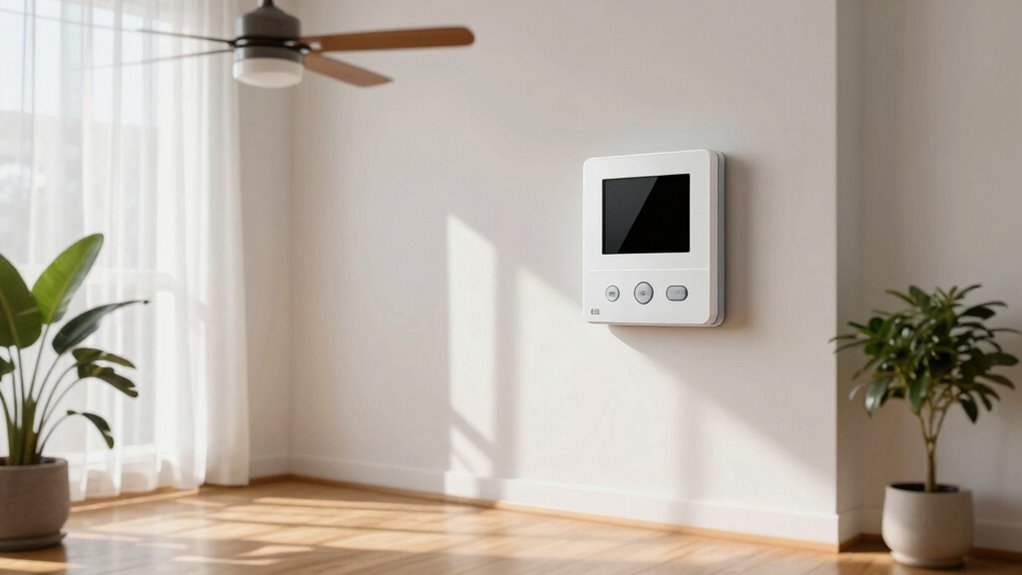

Air movement can greatly change your thermostat strategy by enhancing comfort and boosting energy efficiency. With proper airflow, you’ll maintain consistent temperatures throughout your home, reducing your reliance on the HVAC system. Adjusting ceiling fans seasonally—clockwise in winter and counterclockwise in summer—helps you stay comfortable while setting the thermostat a few degrees higher in hot months. These small tweaks can lead to noticeable improvements. Stick around to discover more tips on optimizing your indoor environment.

Get home appliances delivered free with Prime
- Fast, free delivery on millions of items
- Prime Video, Amazon Music and more included
- Member-only deals all year
Key Takeaways
- Air movement enhances thermostat effectiveness by promoting even temperature distribution throughout the home.
- Seasonal fan adjustments can optimize comfort, reducing the need for extreme thermostat settings.
- Ceiling fans can lower energy costs by allowing higher thermostat settings while maintaining comfort.
- Strategic fan placement targets heating zones, balancing temperatures in different rooms.
- Improved air circulation contributes to overall energy efficiency and indoor air quality.
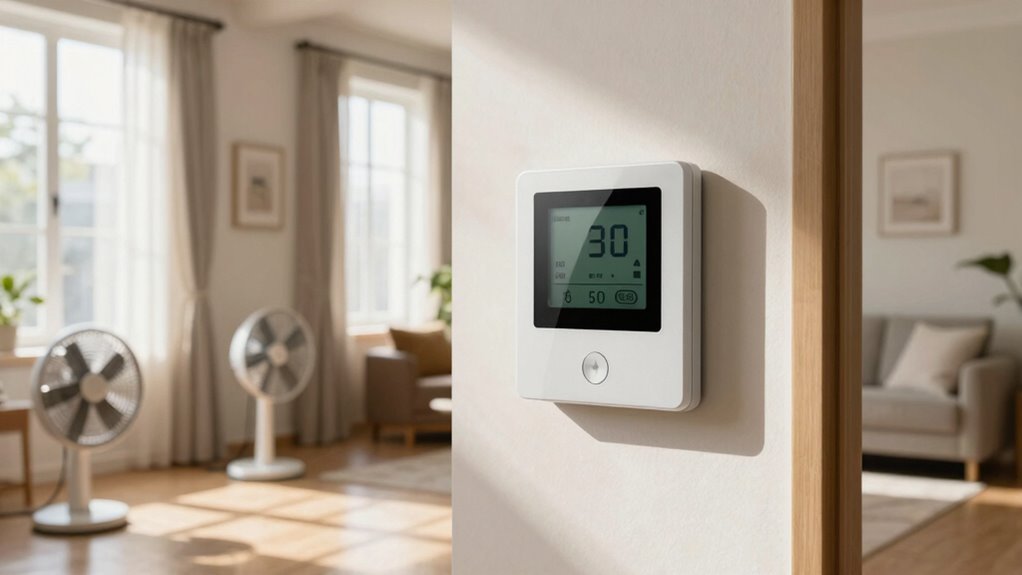
When you think about maintaining a comfortable indoor environment, air movement and thermostat strategy play vital roles. You might not realize it, but the way air flows in your space can greatly impact your thermostat’s effectiveness. By understanding airflow patterns, you can enhance temperature consistency and overall comfort levels throughout your home.
Proper fan placement can make a world of difference. Ceiling fans can help circulate air, allowing you to maintain a desired temperature without cranking up the thermostat. In winter, running the fan clockwise at a low speed pushes warm air down from the ceiling, which helps in keeping heating zones cozy. In summer, you can switch the direction to counterclockwise, creating a cooling breeze that complements your air conditioning. This simple adjustment can lead to better energy efficiency, reducing your overall energy consumption and costs.
You’ll also want to take into account your cooling strategies. During hot months, setting your thermostat a few degrees higher while using fans can help maintain comfort without overworking your HVAC system. This approach not only saves energy but can also prolong the life of your air conditioning unit. It’s all about finding the right balance between your thermostat settings and air movement. Seasonal adjustments are essential here; as temperatures change, so should your strategies.
Moreover, understanding how airflow patterns interact with your heating zones can further optimize your indoor environment. If you have rooms that tend to get hotter or cooler than others, adjusting the fan placement or using portable fans can help even things out. Think about where you spend your time; placing a fan in your frequently used areas can elevate comfort levels, making it easier to maintain a consistent temperature throughout the day. Incorporating airflow management techniques can significantly improve your home’s overall climate control. Additionally, paying attention to indoor air quality can enhance your comfort and health, creating a more balanced environment. Knowing how to effectively manage air circulation can also contribute to better energy efficiency and air quality.
Don’t underestimate the power of small adjustments. Even minor tweaks to your thermostat settings in conjunction with strategic airflow can lead to noticeable changes in comfort levels. By aligning your thermostat strategy with effective air movement and air quality solutions, you’re on your way to creating a more pleasant living space.
ceiling fans with reversible blades
As an affiliate, we earn on qualifying purchases.
As an affiliate, we earn on qualifying purchases.
Frequently Asked Questions
How Does Air Movement Affect Indoor Air Quality?
Air movement plays an essential role in indoor air quality. By enhancing ventilation systems, you promote better airflow, which helps disperse pollutants and allergens. This circulation also aids in humidity control, preventing mold growth and maintaining a comfortable environment. When you strategically use fans or open windows, you can greatly improve the freshness of the air you breathe. So, take advantage of air movement to elevate your indoor air quality effectively.
Can Fans Reduce Energy Consumption in Summer?
Yes, fans can reduce energy consumption in summer. By improving fan efficiency, you circulate cool air, allowing you to set your thermostat a few degrees higher without sacrificing comfort. This helps with humidity control, making your space feel cooler and more comfortable. You’ll notice a lower energy bill while maintaining a pleasant environment. So, turn on those fans and let them work their magic while you save energy!
What Types of Fans Are Most Effective for Cooling?
Ceiling fans are among the most effective for cooling, offering great efficiency by circulating air throughout the room. They can create a wind-chill effect, making you feel cooler without lowering the thermostat. Portable fan types, like box fans and oscillating fans, also serve well in smaller spaces or specific areas. Combine these options for ideal cooling, and you’ll notice a difference in comfort and energy savings during those hot summer months.
How Often Should I Clean My Ceiling Fan?
You should clean your ceiling fan at least once a month to keep it efficient and looking good. Establish a cleaning schedule that fits your routine, so you don’t forget. Dust and dirt can accumulate quickly, affecting air quality and fan performance. When you clean, don’t just wipe the blades; check for any loose parts and tighten them if needed. Consistent fan maintenance helps you enjoy cooler air with less effort.
Do Air Purifiers Impact Thermostat Performance?
Yes, air purifiers can impact thermostat performance. When you use an air purifier, it can improve air quality and circulation, which may enhance thermostat efficiency. If your purifier’s airflow is compatible with your HVAC system, you’ll likely see better temperature regulation. However, make sure that your air purifier’s efficiency doesn’t overwhelm your thermostat, as this could lead to unnecessary adjustments. Regularly check both devices for peak performance and compatibility.
As an affiliate, we earn on qualifying purchases.
Conclusion
Just like a skilled sailor adjusts their sails to catch the wind, you too can optimize your thermostat strategy by embracing air movement. By understanding how air flows through your space, you can navigate temperature fluctuations and create a more comfortable environment. Don’t let stale air anchor you down; let it lift you to new heights of efficiency and comfort. Tune into the currents around you, and you’ll sail through the seasons with ease.
As an affiliate, we earn on qualifying purchases.
As an affiliate, we earn on qualifying purchases.
Fall yard work Picks
leaf blowers
As an affiliate, we earn on qualifying purchases.