TL;DR
Denmark is at the forefront of North Sea renewable energy development, with major offshore wind projects and green hydrogen facilities. These initiatives demonstrate Europe’s commitment to climate goals and innovation in clean energy.
Denmark is advancing its renewable energy infrastructure through the development of the largest offshore wind farm in the country and a pioneering green hydrogen plant, illustrating how the North Sea is becoming Europe’s ‘green power plant.’
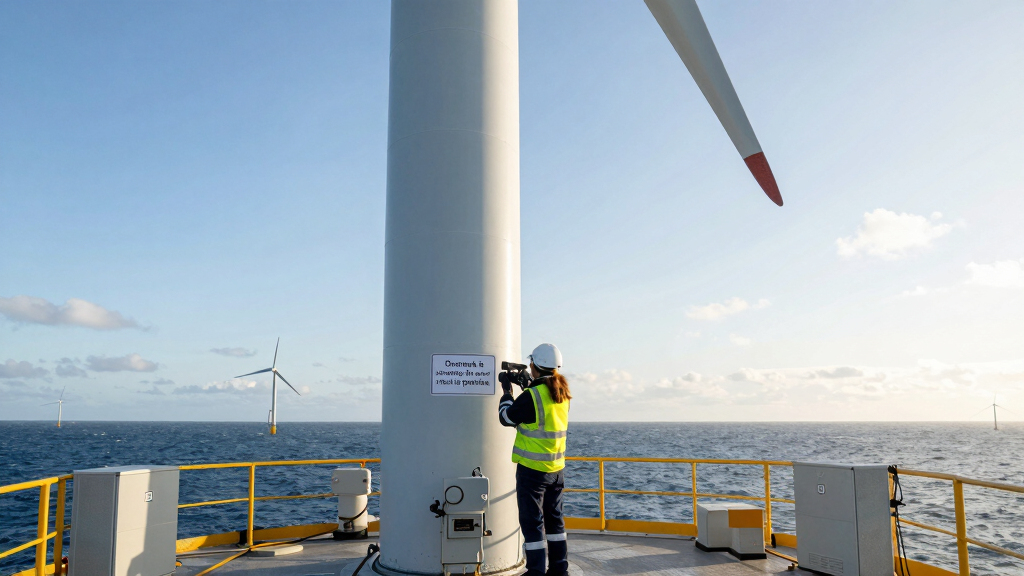
Denmark’s largest offshore wind project, the 1,000MW Thor wind farm off its west coast, is scheduled to become operational in 2026, capable of powering over one million households. Simultaneously, Siemens Energy is managing the construction of a 50MW electrolyser plant in Kassø, southern Denmark, which will produce 6,000 tonnes of carbon-free hydrogen annually, primarily for the shipping industry.
The hydrogen plant will generate e-methanol, an alternative fuel for large cargo ships, helping reduce the maritime sector’s significant greenhouse gas emissions. Maersk, one of the world’s largest shipping companies, is a key customer, already demonstrating the potential of this technology by saving 100 tonnes of CO2 daily on a smaller vessel.
Why It Matters
This development highlights Denmark’s leadership in renewable energy, demonstrating how offshore wind and green hydrogen can transform industries like shipping, which currently contribute heavily to global emissions. The projects serve as a model for Europe’s broader climate ambitions, potentially accelerating growth in green tech sectors and creating new jobs.

VEVOR 500W Wind Turbine Generator, 12V Wind Turbine Kit, 5-Blade Wind Power Generator with MPPT Controller, Adjustable Windward Direction & 2.5m/s Start Wind Speed, Suitable for Home, Farm, RVs, Boats
500W High-Efficiency Output: VEVOR 500W high-power wind turbine generator delivers exceptional wind energy utilization and efficiency, making it…
As an affiliate, we earn on qualifying purchases.
As an affiliate, we earn on qualifying purchases.
Background
Europe has set ambitious targets to expand offshore wind capacity, aiming for 120GW by 2030 and 300GW by 2050, with the North Sea as the central region. Currently, over 80% of Europe’s offshore wind capacity connected to the grid is in the North Sea, totaling more than 25GW. Denmark has been a pioneer, with projects like Thor and the Kassø hydrogen plant exemplifying the region’s push toward a sustainable energy future.
“Shipping emits the equivalent of a large country, but e-methanol can save a tremendous amount of emissions.”
— Holger Riess, Siemens Energy project manager
“Working on the Thor project is inspiring because it will have a lasting positive impact.”
— Josephine Krumhoff, Siemens Energy electrical engineer

Green Hydrogen Production & Electrolyzer Technologies: Comprehensive Insights into Technologies, Integration, and Industrial Applications
As an affiliate, we earn on qualifying purchases.
As an affiliate, we earn on qualifying purchases.
What Remains Unclear
While the projects are progressing well, it is not yet clear how quickly the full capacity will be integrated into the regional grid or how scalable the hydrogen production will become for global shipping needs. Additionally, the long-term economic viability of e-methanol at larger scales remains to be proven.
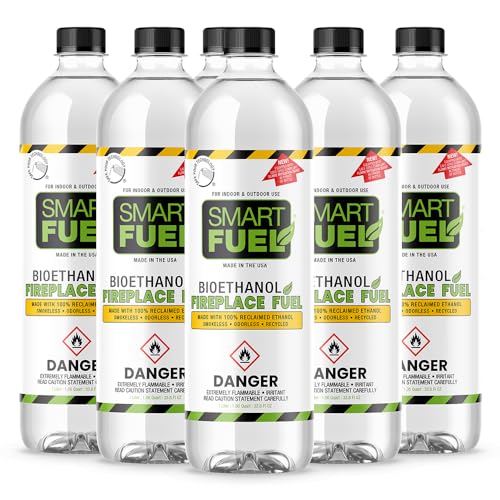
Smart Fuel Bioethanol Fuel for Fireplaces and Stoves – 1 Liter (Pack of 6)
Premium Bioethanol Fuel 1L: High purity, 100% plant-based ethanol for fireplaces, tabletop fire pits, burners, and stoves.
As an affiliate, we earn on qualifying purchases.
As an affiliate, we earn on qualifying purchases.
What’s Next
The next steps include the commissioning of the Thor wind farm in 2026 and the operational ramp-up of the Kassø hydrogen plant. Monitoring the integration of these projects into Denmark’s energy system and assessing their impact on shipping emissions will be critical in the coming years.
Key Questions
What is the significance of Denmark’s offshore wind farm?
The Thor wind farm will significantly boost Denmark’s renewable energy capacity, supplying over one million households and demonstrating the potential of offshore wind in Europe’s climate strategy.
How will the hydrogen plant impact the shipping industry?
The plant will produce e-methanol, a cleaner fuel for large ships, helping reduce maritime greenhouse gas emissions and providing a model for decarbonizing heavy industry sectors.
Are these projects unique to Denmark?
No, Denmark’s initiatives are part of a broader European effort, with several North Sea nations increasing offshore wind targets and investing in green hydrogen infrastructure.
What challenges remain for these renewable projects?
Key challenges include scaling up production, integrating new energy sources into existing grids, and ensuring economic viability at larger scales.
Source: Guardian Life