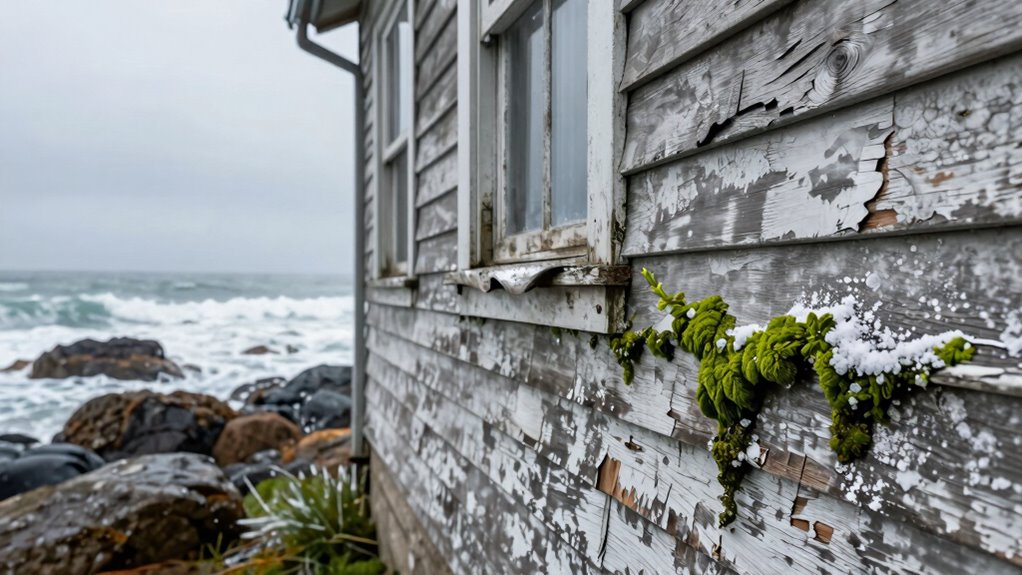

Coastal homes face constant moisture challenges that demand a different humidity strategy. You need to control indoor moisture to prevent mold, musty smells, and structural damage caused by high humidity. Using dehumidifiers, proper ventilation, and regular maintenance helps keep your home safe and comfortable. Managing humidity levels around 30-50% is essential for your health and home’s longevity. Keep these strategies in mind, and you’ll discover how to protect your coastal home more effectively.

Get home appliances delivered free with Prime
- Fast, free delivery on millions of items
- Prime Video, Amazon Music and more included
- Member-only deals all year
Key Takeaways
- Coastal homes face higher outdoor humidity, requiring specialized strategies to prevent moisture buildup and related damages.
- Salt air accelerates corrosion and mold growth, necessitating targeted humidity control measures.
- Standard indoor humidity levels may be insufficient; coastal homes need stricter regulation to prevent structural issues.
- Ventilation and dehumidification systems must be tailored to handle persistent dampness and prevent mold proliferation.
- Increased risk of water damage in coastal areas demands proactive moisture management for home longevity.

Living near the coast means dealing with high humidity levels that can affect your home’s comfort and durability. When moisture in the air is consistently high, it can lead to issues like musty smells, warped wood, and even structural damage over time. But beyond the physical effects on your home, high humidity also impacts indoor air quality. Excess moisture creates an environment where airborne pollutants, dust mites, and mold spores can thrive, making your living space less healthy. That’s why a tailored humidity strategy is essential for coastal homes. You need to actively manage moisture levels to guarantee your indoor air remains fresh and safe.
Managing moisture is key to protecting your home’s health and longevity in coastal environments.
One of the most important reasons to focus on humidity control is mold prevention. Mold spores are naturally present in the environment, but when they find a damp surface, they multiply rapidly. In coastal homes, the persistent moisture makes mold a common problem. Once mold begins to grow, it can cause allergic reactions, respiratory issues, and even damage to walls, ceilings, and furniture. By controlling indoor humidity, you make it much harder for mold to take hold. Keeping humidity levels between 30% and 50% is generally recommended, as this range discourages mold growth while maintaining comfort. Proper humidity levels are crucial for preventing mold and ensuring a healthy living environment. Maintaining correct humidity levels can also help prevent water damage, which is a common concern in humid coastal areas.
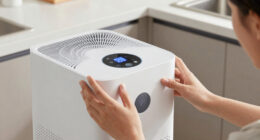
To achieve effective humidity management, you should consider investing in dehumidifiers and ventilation systems designed for coastal environments. These devices help remove excess moisture from the air, especially in areas prone to dampness like basements, bathrooms, and kitchens. Ventilation not only reduces humidity but also improves indoor air quality by flushing out stale air and airborne contaminants. Regularly inspecting and maintaining these systems ensures they operate efficiently, keeping humidity levels in check. Additionally, understanding humidity control devices can help you select the most suitable solutions for your home’s needs. Proper ventilation strategies are equally essential to prevent moisture buildup and maintain a balanced indoor environment. Proper installation and regular upkeep of these systems are key to their effectiveness in humid climates.
Products Worth Considering

LEVOIT Vital 200S-P Smart Air Purifier for Large Rooms up to 1875 ft², Quiet 27 dB Operation, AHAM VERIFIDE Certified, Air Quality Monitor,

Blueair Blue Pure 311i Max Air Purifier

Blueair Blue Pure 211i Max Air Purifier for Large Rooms
As an affiliate, we earn on qualifying purchases.
Frequently Asked Questions
How Does Humidity Affect the Structural Integrity of Coastal Homes?
Humidity affects your coastal home’s structural integrity by accelerating salt corrosion on metal parts and causing wooden warping. High moisture levels lead to rust on nails, screws, and other metal components, weakening the structure. Simultaneously, excessive humidity causes wooden elements to swell, warp, or rot, compromising stability. Managing humidity helps prevent these issues, preserving your home’s durability and safety in the harsh coastal environment.
What Are the Best Dehumidification Options for Coastal Environments?
You should choose a high-capacity dehumidifier with easy maintenance to combat the relentless coastal humidity. Regular dehumidifier maintenance ensures it runs smoothly, while strategic humidity sensor placement—high and central—gives you precise control. This combination prevents mold and wood rot, keeping your home’s structure sound. Don’t forget, a well-maintained system with smart sensor placement is your best defense against the overwhelming moisture that coastal air brings.
How Often Should Humidity Levels Be Monitored in Coastal Homes?
You should monitor humidity levels in your coastal home at least once a week to maintain ideal indoor air quality and energy efficiency. Coastal environments are prone to higher moisture, so regular checks help prevent mold and wood damage. Using a hygrometer makes monitoring easy, allowing you to adjust your dehumidification system promptly. Consistent humidity control ensures a healthier, more energy-efficient home while protecting your property from coastal moisture-related issues.
Can Humidity Control Reduce Mold Growth Effectively?
Controlling humidity can cut mold growth by up to 75%, markedly improving indoor air quality. When you manage humidity levels effectively, you create an environment less hospitable to mold spores, reducing health risks and damage. Plus, maintaining proper humidity boosts energy efficiency by easing the load on your HVAC system. By staying vigilant and adjusting humidity, you safeguard your home’s health, comfort, and efficiency.
Are There Specific Materials Better Suited for Coastal Humidity Conditions?
Yes, certain materials are better suited for coastal humidity. Opt for moisture-resistant materials like treated wood, vinyl, or composite siding to withstand high humidity and prevent mold. Incorporate indoor plants that thrive in humid conditions and improve air circulation to reduce excess moisture. Good air circulation keeps humidity levels balanced, protecting your home from damage. Using these materials and strategies helps maintain a healthier, more stable environment in coastal homes.
Conclusion
In coastal climates, clever, customized humidity control is essential for comfort and construction. By embracing tailored tactics, you protect your property from the perils of excess moisture—preventing pests, preserving paint, and promoting peace of mind. Remember, a well-watched humidity level isn’t just a detail—it’s the difference between dwelling in disorder and enjoying a durable, delightful home. Stay strategic, stay smart, and safeguard your sanctuary from the salty, humid surprises of coastal living.