
Adopting smart thermostats can help you save on energy bills, reduce your environmental footprint, and contribute to greater grid efficiency. By optimizing your heating and cooling habits, you lower unnecessary consumption and lower costs over time. Widespread use also benefits utilities with reduced peak demand and lower infrastructure costs. As more people adopt these devices, prices are expected to drop, expanding access. Exploring further reveals how this technology shapes economic and environmental benefits on a larger scale.
Key Takeaways
- Widespread adoption reduces overall energy consumption, leading to lower utility costs for consumers and decreased energy demand on utilities.
- Energy savings from smart thermostats help lower greenhouse gas emissions, supporting environmental sustainability and compliance costs.
- Reduced peak demand alleviates strain on infrastructure, decreasing maintenance costs and potential investments for utility providers.
- Increased market demand fosters innovation, driving down device costs and expanding access to energy-efficient solutions.
- Long-term savings and efficiency gains contribute to economic growth by lowering energy expenses for households and industries.
Smart thermostats are transforming the way households and businesses manage energy, leading to significant economic benefits. As you adopt this technology, you’ll notice how it directly impacts your energy bills and overall consumption. These devices enable you to optimize heating and cooling schedules, reducing unnecessary energy use and achieving meaningful energy savings. By fine-tuning your thermostat settings based on your daily routines and preferences, you minimize waste and avoid paying for energy you don’t need. furthermore, these adjustments can lead to substantial reductions in your monthly expenses, making smart thermostats a practical investment that pays for itself. Additionally, the ability of smart thermostats to learn from your habits can lead to more precise control, further enhancing savings and comfort.
Smart thermostats cut energy bills by optimizing heating and cooling based on your routines.
Your consumer behavior plays a pivotal role in maximizing these benefits. With intuitive interfaces and learning algorithms, smart thermostats adapt to your habits, encouraging more mindful energy use. You might find yourself setting temperatures more efficiently or allowing the device to automatically adjust based on occupancy patterns. This shift in behavior not only enhances comfort but also amplifies energy savings, reinforcing the economic advantages of adopting smart technology. As you become more conscious of your energy consumption, you contribute to a collective effort to reduce overall demand, which can lower energy prices and lessen strain on the grid.
The economic impact extends beyond just your household. When more consumers and businesses embrace smart thermostats, the aggregated energy savings can be significant. Utilities benefit from decreased peak demand, which reduces the need for expensive infrastructure upgrades and helps stabilize energy prices. This widespread adoption can also lead to lower greenhouse gas emissions, aligning economic benefits with environmental sustainability. additionally, as smart thermostats become more prevalent, their prices tend to decrease, making them accessible to a broader audience and further boosting collective savings.
Investing in smart thermostats also encourages innovation within the energy sector. As demand for these devices grows, manufacturers are motivated to develop more advanced, cost-effective solutions that improve energy management. This competitive landscape can lead to better features, improved user experiences, and more tailored energy-saving strategies. Consequently, you’re not only saving money but also supporting a market that promotes sustainable and efficient energy use. Embracing the integration of renewable energy sources further amplifies the positive economic and environmental impact of smart thermostat adoption.
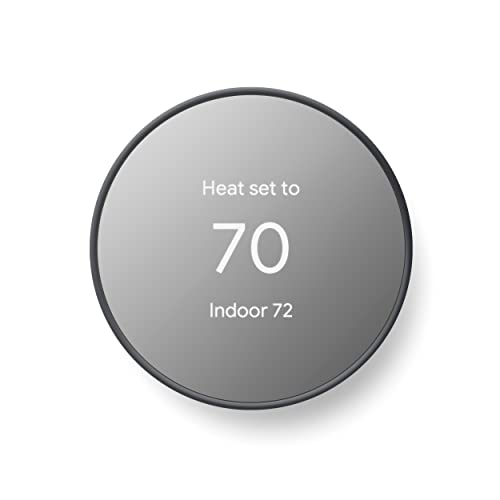
Google Nest Thermostat – Smart Thermostat for Home – Programmable Wifi Thermostat – Charcoal
ENERGY STAR certified smart thermostat for home that helps you save energy and stay comfortable.Connectivity : Wi-Fi -…
As an affiliate, we earn on qualifying purchases.
As an affiliate, we earn on qualifying purchases.
Frequently Asked Questions
How Do Smart Thermostats Influence Long-Term Energy Infrastructure Costs?
Smart thermostats help lower long-term energy infrastructure costs by promoting grid modernization and influencing your consumer behavior. As you adjust your usage intelligently, demand becomes more predictable, reducing strain on the grid. This decrease in peak loads means less need for costly infrastructure upgrades. Your habits also encourage utilities to invest in smarter, more resilient systems, ultimately saving money and making energy distribution more efficient over time.
What Is the Return on Investment Timeline for Smart Thermostat Installation?
You’ll see a return on your investment in smart thermostats typically within one to three years. Yes, after paying those upfront installation costs, you’ll enjoy cost savings from reduced energy bills, making the expense worthwhile. It’s like investing in a tiny, intelligent wizard that pays you back faster than you can say “cost-effective.” So, go ahead—install one and watch your savings grow while you enjoy a smarter, more comfortable home.
Do Smart Thermostats Affect Property Values in Real Estate Markets?
Smart thermostats can positively affect your property value in real estate markets by showcasing energy efficiency and modern upgrades. Buyers often view smart home features as desirable, which can make your property more competitive. Installing a smart thermostat signals that you’ve invested in energy savings and technology, potentially leading to higher offers. As a result, upgrading your home with smart thermostats can boost its appeal and increase its property value in the real estate market.
How Do Smart Thermostats Impact Energy Consumption During Peak Periods?
Smart thermostats help you reduce energy consumption during peak periods by encouraging behavior change and increasing user engagement. As you adjust settings and enable smart scheduling, the device learns your habits and optimizes heating and cooling accordingly. This proactive approach lowers energy use when demand is highest, saving you money and easing the grid’s strain. Your engagement with the thermostat directly influences its efficiency and the overall impact on peak energy consumption.
Are There Economic Disparities in Smart Thermostat Adoption Across Different Regions?
You’ll find that socioeconomic barriers and regional adoption disparities create a wide playing field. Wealthier areas often see higher smart thermostat adoption because residents can afford the upfront costs and access installation services easily. In contrast, lower-income regions face barriers like cost and lack of awareness. These differences highlight how socioeconomic factors influence who benefits from smart technology, making it clear that regional disparities are a hurdle to equitable energy savings.

Amazon Smart Thermostat – Save money and energy – Works with Alexa and Ring – C-wire required
An Alexa thermostat – Amazon Smart Thermostat is an easy way to switch from a traditional thermostats for…
As an affiliate, we earn on qualifying purchases.
As an affiliate, we earn on qualifying purchases.
Conclusion
As you embrace smart thermostats, remember the ripple effect—like Icarus reaching new heights, you soar towards energy savings and cost efficiency. But beware, overreliance might lead to complacency, risking missed opportunities for further innovation. By adopting this technology, you’re not just changing your comfort; you’re part of a larger shift that shapes economies and futures. Embrace the future wisely, for in smart choices lie the seeds of a smarter, more sustainable world.
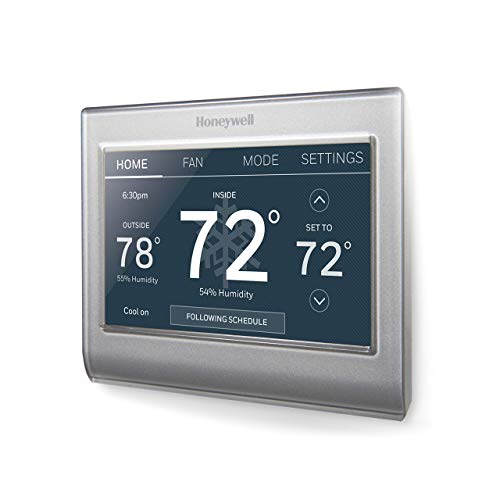
Honeywell Home RTH9585WF1004 Wi-Fi Smart Color Thermostat, 7 Day Programmable, Touch Screen, Energy Star, Alexa Ready, Gray
COMFORT COMES IN YOUR COLOR. Personalize your Wi-Fi Smart Color Programmable Thermostat to fit your décor.
As an affiliate, we earn on qualifying purchases.
As an affiliate, we earn on qualifying purchases.
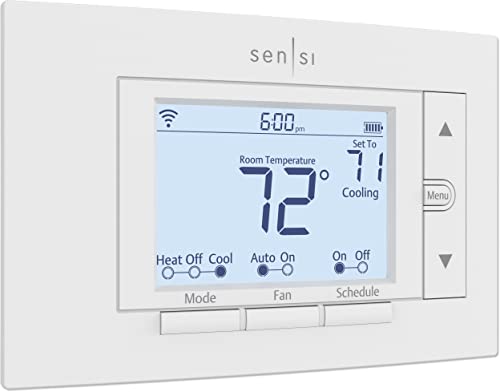
Emerson Sensi Wi-Fi Smart Thermostat for Smart Home, DIY, Works With Alexa, Energy Star Certified, ST55
PRIVACY PROTECTION*: Sensi won’t sell your personal information to third parties
As an affiliate, we earn on qualifying purchases.
As an affiliate, we earn on qualifying purchases.