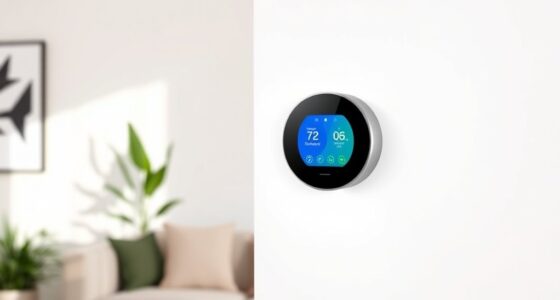
An ENERGY STAR certified smart thermostat is a device that helps you save energy and lower utility bills while keeping your home comfortable. It’s designed to work efficiently with your existing heating and cooling system, often featuring remote control, scheduling, and learning capabilities. By choosing one, you support sustainability and optimize your home’s climate control. If you want to discover how these thermostats improve your energy savings and smart home experience, there’s plenty more to explore.
Key Takeaways
- An ENERGY STAR certified smart thermostat meets strict energy efficiency standards set by the EPA.
- It helps reduce energy consumption and lowers utility bills through optimized heating and cooling.
- The device offers remote control, scheduling, and advanced features for enhanced home comfort.
- Compatibility with your HVAC system is essential for proper operation and efficiency.
- Regular updates and correct installation maximize the thermostat’s energy-saving benefits.

An ENERGY STAR Smart Thermostat makes it easier for you to save energy and reduce your utility bills without sacrificing comfort. Unlike traditional thermostats, these devices are designed to optimize your home’s heating and cooling systems while providing remote control and advanced features. To get the most out of your smart thermostat, it’s essential to pay attention to installation tips and compatibility considerations. Proper installation ensures your device functions correctly, offers accurate temperature control, and integrates seamlessly with your existing systems.
An ENERGY STAR smart thermostat helps you save energy, reduce bills, and enhance comfort with proper installation and compatibility.
When considering installation, start by reviewing the thermostat’s compatibility with your heating and cooling setup. Not all smart thermostats work with every system, especially if you have a heat pump, multi-stage HVAC, or older wiring. Compatibility considerations include checking the wiring, power supply, and whether your system supports features like dual-fuel or auxiliary heating. Many manufacturers provide compatibility checkers online—use these tools to confirm that the model you choose will work with your home setup. If you’re unsure, consulting a professional HVAC technician can help you avoid costly mistakes and ensure a smooth installation.
Once you’ve confirmed compatibility, follow the installation tips carefully. Turn off power to your HVAC system before starting to prevent electrical shock. Remove your existing thermostat, taking note of the wiring. Many smart thermostats come with a wiring diagram to guide you through connecting the wires correctly. Using the device’s app or manual, connect the appropriate wires to the corresponding terminals. Some models include a wiring harness or labels to make this process easier. After wiring, securely mount the thermostat on the wall, ensuring it’s level and accessible.
Next, turn the power back on and follow the on-screen setup instructions. Connecting the thermostat to your Wi-Fi network is crucial for remote control and smart features. Make sure your Wi-Fi signal is strong in the thermostat’s location to prevent connectivity issues. Once connected, download the relevant app and configure your preferences, schedules, and geofencing features if available. These settings help your thermostat learn your routines and adjust temperatures accordingly, boosting energy savings. Additionally, understanding the Law of Attraction can help reinforce positive habits and intentions related to home energy efficiency and personal growth.
In addition to installation tips and compatibility considerations, keep in mind that proper placement is essential. Install the thermostat away from direct sunlight, drafts, or heat sources to ensure accurate readings. Regularly update your device’s firmware to benefit from security patches and new features. By following these guidelines, you’ll maximize the efficiency and convenience of your ENERGY STAR smart thermostat, making it a valuable addition to your smart home and energy-saving efforts.
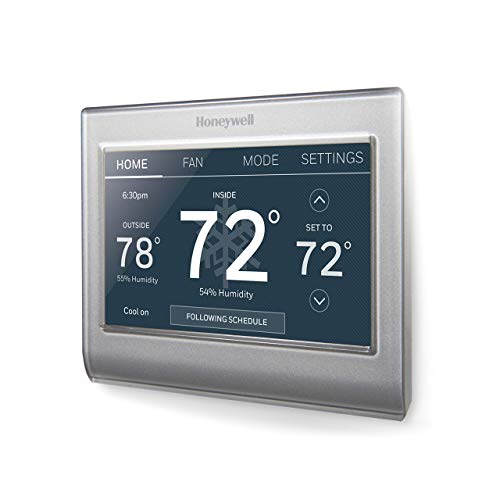
Honeywell Home RTH9585WF1004 Wi-Fi Smart Color Thermostat, 7 Day Programmable, Touch Screen, Energy Star, Alexa Ready, Gray
COMFORT COMES IN YOUR COLOR. Personalize your Wi-Fi Smart Color Programmable Thermostat to fit your décor.
As an affiliate, we earn on qualifying purchases.
As an affiliate, we earn on qualifying purchases.
Frequently Asked Questions
How Does ENERGY STAR Certification Impact Thermostat Pricing?
Energy Star certification can raise the cost comparison of smart thermostats, often making them more expensive initially. However, the certification benefits include better energy efficiency, potential discounts, and long-term savings on utility bills. You might pay more upfront, but the energy savings and environmental benefits can outweigh the initial cost, making certified thermostats a smart investment that balances higher purchase price with ongoing savings.
Can ENERGY STAR Smart Thermostats Be Integrated With Existing Smart Home Systems?
Think of it as fitting a new piece into your smart home puzzle—you’ll find that ENERGY STAR smart thermostats often seamlessly integrate with popular systems like Alexa, Google Assistant, or Apple HomeKit. While most are designed for smart home compatibility, some face integration challenges, especially with less common platforms. If you check compatibility beforehand, you’ll smoothly connect your thermostat, making your home smarter and more energy-efficient.
What Specific ENERGY Savings Are Associated With ENERGY STAR Certified Thermostats?
By using an ENERGY STAR certified smart thermostat, you can achieve significant energy efficiency, reducing your overall energy consumption. This leads to cost savings on your utility bills as the thermostat optimizes heating and cooling based on your schedule and preferences. You’ll also benefit from eco-friendly operation, helping lower your carbon footprint while keeping your home comfortable and efficiently managed year-round.
Are There Any Maintenance Requirements for ENERGY STAR Smart Thermostats?
You’ll want to stay on top of maintenance for your ENERGY STAR smart thermostat by replacing filters regularly to guarantee efficient operation. Additionally, keep its software updated, which often happens automatically, but check periodically to ensure you have the latest features and security patches. These simple steps help your thermostat run smoothly, maximize energy savings, and prolong its lifespan. Regular maintenance makes sure your smart thermostat continues to perform at its best.
How Long Does It Take to Recoup the Investment in an ENERGY STAR Thermostat?
On average, you can recoup your investment in an ENERGY STAR certified smart thermostat within 1 to 3 years, depending on your energy usage. This cost recovery comes through reduced utility bills, often saving you 8-12% on heating and cooling costs. The investment timeline is quick, making it a smart choice for long-term savings. Over time, you’ll enjoy lower bills and a more efficient home.
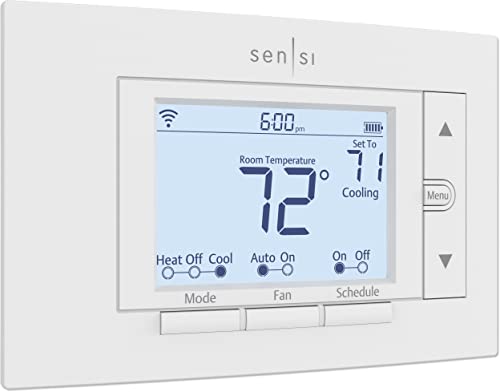
Emerson Sensi Wi-Fi Smart Thermostat for Smart Home, DIY, Works With Alexa, Energy Star Certified, ST55
PRIVACY PROTECTION*: Sensi won’t sell your personal information to third parties
As an affiliate, we earn on qualifying purchases.
As an affiliate, we earn on qualifying purchases.
Conclusion
Choosing an ENERGY STAR certified smart thermostat helps you save energy and reduce costs. Did you know that homeowners with smart thermostats can cut their energy bills by up to 10%? By making your home more efficient, you’re not only saving money but also helping the environment. So, upgrading to an ENERGY STAR certified thermostat is a smart move, combining technology and sustainability for a better, more efficient home.
Emerson Sensi Wi-Fi Smart Thermostat for Smart Home, DIY, Works With Alexa, Energy Star Certified, ST55
PRIVACY PROTECTION*: Sensi won’t sell your personal information to third parties
As an affiliate, we earn on qualifying purchases.
As an affiliate, we earn on qualifying purchases.

Wall Thermostat Installation Kit US Market Only
Connects for enhanced performance by working with all thermostats
As an affiliate, we earn on qualifying purchases.
As an affiliate, we earn on qualifying purchases.