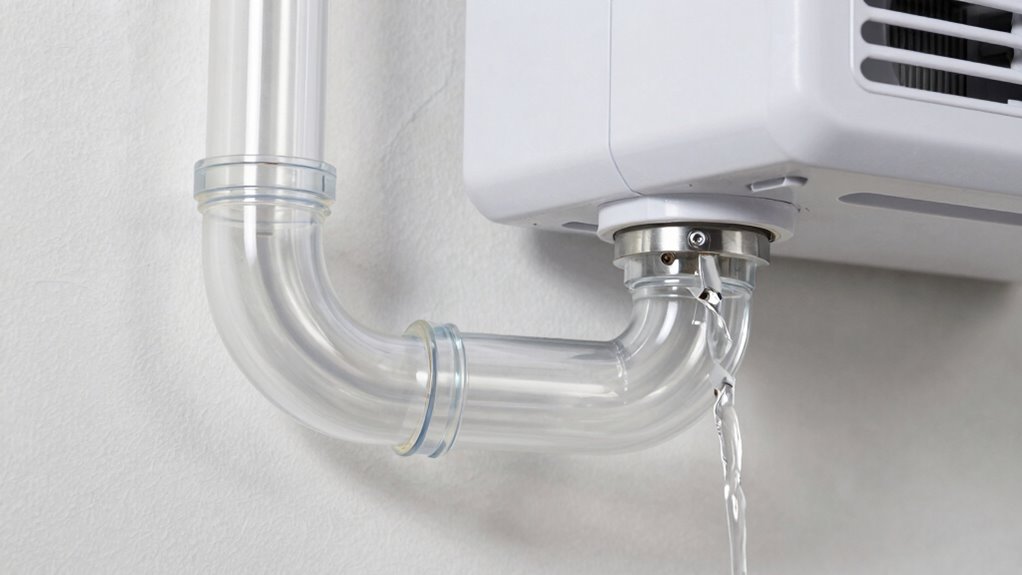

A proper drain setup guarantees your whole-house dehumidifier functions smoothly and prevents water damage. Use durable, appropriate materials like PVC with the right diameter and a steady downward slope of about ¼ inch per foot. Position pumps near the unit for easy maintenance and ensure all connections are sealed tightly. Good routing, secure fittings, and regular inspections are key to avoiding leaks or backups. Keep going to discover more details that could make or break your system’s performance.
Key Takeaways
- Proper drain routing with a consistent downward slope ensures efficient water flow and prevents pooling or backups.
- Secure and leak-proof connections with fittings and sealants maintain system integrity and prevent water damage.
- Correct placement of condensate pumps close to the dehumidifier minimizes pipe length and reduces the risk of backups.
- Regular inspection and maintenance of the drain system prevent clogs, leaks, and system failures.
- Using appropriate materials and accessories, like traps and venting, enhances system performance and odor prevention.

Are you unsure how to properly set up the drain for your whole-house dehumidifier? Getting this right is essential because a poorly installed drain can lead to leaks, water damage, or inefficient operation. The first step is understanding the drain pipe materials you’ll need. You want pipes that are durable, resistant to corrosion, and suitable for continuous water flow. PVC pipes are the most common choice because they’re affordable, easy to work with, and resistant to moisture and chemicals. PEX or copper pipes are options too, but they tend to be more expensive and less flexible. Whatever material you choose, make sure it’s rated for drainage and compatible with your dehumidifier’s output. Proper piping also means selecting the right diameter—usually, a ¼-inch to ½-inch pipe works well—so water flows smoothly without clogging or overflowing.
Next, you have to think about pump installation considerations if your drain path isn’t level or if gravity alone won’t move the water to your sewer or drain line. Many whole-house dehumidifiers produce a steady drip of water, and if the drain location is higher than the unit or if you need to run the pipe over long distances, a condensate pump becomes necessary. When installing a pump, you should consider accessibility for maintenance and make certain it’s rated for continuous operation. Position the pump close to the dehumidifier to minimize the length of the drain pipe it has to push water through, which helps prevent backups. Also, check that the pump has an automatic shutoff feature to avoid dry running and potential damage. It’s also important to ensure proper drainage, which includes verifying that all connections are secure and leak-free. Proper drain pipe route selection can prevent potential issues with water flow and accessibility for future inspections. Ensuring proper drainage slope is vital for preventing water pooling and ensuring efficient water removal.
In terms of setup, make sure the drain pipe has a slight downward slope—about ¼ inch per foot—to ensure water flows freely without pooling. Seal any joints thoroughly with appropriate fittings and sealants to prevent leaks. If you’re using a pump, connect it securely, and make sure the outlet hose directs water safely away from your foundation or into a drain. Additionally, using drainage accessories such as traps or venting can improve overall system performance and prevent odors from entering your living space. Don’t forget to incorporate a backup plan, like a secondary drain or float switch, in case the primary drain or pump fails. Regular maintenance and inspection are key to keeping your whole-house dehumidifier running smoothly, so keep an eye on the pipes and pump for any signs of leaks or blockages. Proper drain setup isn’t just about convenience; it’s indispensable for the longevity and efficiency of your dehumidifier system.

4500 Sq. Ft Dehumidifier, Max 80 Pint Dehumidifier for Basement, Compressor Dehumidifiers for Home with Drain Hose, Smart Humidity Control, Energy Efficient, Quiet for Bedroom, Large Rooms.
- Dehumidification Capacity: Removes up to 80 pints daily
- Suitable for Large Spaces: Covers 4500 sq. ft.
- Quiet Operation: Operates at 40 dB for peaceful use
As an affiliate, we earn on qualifying purchases.
As an affiliate, we earn on qualifying purchases.
Frequently Asked Questions
Can I Install the Drain Setup Myself or Hire a Professional?
You can attempt a DIY installation of the drain setup if you have basic plumbing skills, but for a reliable, leak-free connection, professional assistance is recommended. Proper drainage is vital for your whole-house dehumidifier’s performance and longevity. Hiring a professional ensures the drain is installed correctly, preventing water damage or system failure. If you’re unsure about your skills, it’s best to trust a professional to handle the installation safely and efficiently.
What Materials Are Best for the Drain Piping?
Pick polypropylene pipes for durability and dependable drainage, as they resist corrosion and stand strong over time. They’re compatible with most dehumidifier setups, ensuring easy installation and effective operation. Metal pipes might seem sturdy, but they can corrode, causing clogs or leaks. Plastic pipes, especially polypropylene, provide peace of mind with their strength and compatibility, making your whole-house dehumidifier’s drain setup more reliable and resilient.
How Often Should I Check or Clean the Drain Setup?
You should check and clean your drain setup monthly to prevent clogs and water damage. Regular drain maintenance involves removing any debris or mineral buildup, ensuring the drainage path remains clear. Follow prevention tips like using a drain pan and inspecting for leaks. This routine helps your dehumidifier operate efficiently and extends its lifespan. Staying proactive with drain maintenance keeps your whole-house system running smoothly and avoids costly repairs.
What Are Signs of a Drain Setup Malfunction?
You notice water pooling or a musty smell—these signs point to a drain setup malfunction. Drain clogging can cause leaks, so if your system isn’t draining properly or if you see water around the unit, it’s a warning sign. Ignoring these issues risks water damage and mold. Regularly check for blockages and guarantee leak prevention measures are in place, so your dehumidifier works efficiently without surprises.
Is a Drain Pump Necessary for All Whole-House Dehumidifiers?
A drain pump isn’t necessary for all whole-house dehumidifiers, but it depends on your setup. If your dehumidifier’s drain needs to lift water to a higher level or reach a distant drain, a pump installation becomes vital. Regular drain maintenance ensures it functions smoothly and prevents malfunctions. Without a pump where needed, water can back up or cause damage, so assess your system’s layout carefully.

Saillong Patent Pending Dehumidifier Drain Hose, 3/4 Inch FHT,White
- Universal Compatibility: Fits most dehumidifiers and appliances
- Leak-Free Connection: Secure rubber adapter with clamp
- Dual-Size Rubber Connector: Adjustable for various outlet sizes
As an affiliate, we earn on qualifying purchases.
As an affiliate, we earn on qualifying purchases.
Conclusion
When setting up your whole-house dehumidifier drain, don’t overlook the details—they can make or break the system’s efficiency. A simple misstep, like a poorly positioned drain or overlooked slope, might seem minor but can lead to water issues down the line. It’s funny how such a small detail, often ignored, can coincide with major headaches later. So, take your time and get it right—your comfortable, dry home depends on it.

Little Giant VCMA-15ULST 115 Volt, 65 GPH, 1/50 HP Automatic Condensate Removal Pump for HVAC/Refrigeration Systems/Dehumidifiers with Overflow Detection Switch and 20-Foot Tubing, Black/White, 554415
- Automatic condensate removal: Vertical switch design for compactness
- High-performance motor: Thermally protected, fan-cooled 1/50 HP motor
- Durable construction: ABS tank, stainless steel shaft, thermal overload protection
As an affiliate, we earn on qualifying purchases.
As an affiliate, we earn on qualifying purchases.
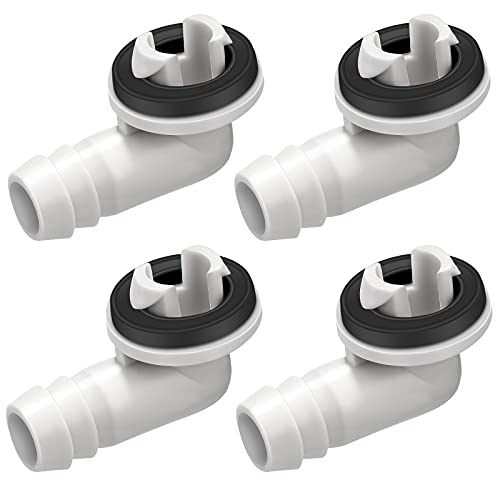
Zonon Air Conditioner AC Drain Hose Connector 4 Pcs 3/5 Inch Portable Air Conditioner Drain Hose Kit Elbow Fitting with Rubber Ring for Window and Mini Split Units
- Package Includes: 4 drain hose connectors
- Connector Size: 46mm length, 15mm hole
- Easy Drainage Connection: Connects AC unit to drain pipe
As an affiliate, we earn on qualifying purchases.
As an affiliate, we earn on qualifying purchases.