
The biggest costly mistake when cooling your detached studio is neglecting proper insulation. Without good insulation, heat seeps in through walls and windows, forcing your AC to work harder and use more energy. This leads to higher utility bills and faster equipment wear. Relying solely on air conditioning won’t fix the root problem. If you want to keep your cooling costs manageable, understanding how insulation impacts thermal performance is essential — stay tuned for more tips.
Key Takeaways
- Relying solely on air conditioning without proper insulation causes heat seepage, increasing energy usage and costs.
- Installing basic HVAC systems without upgrading insulation leads to inefficient cooling and higher utility bills.
- Ignoring climate-specific insulation options results in poor thermal performance and expensive cooling needs.
- Overlooking the importance of sealing windows and walls allows heat transfer, making cooling systems work harder.
- Neglecting renewable energy integration, like solar panels, misses opportunities to offset high cooling expenses.
Have you ever underestimated the importance of proper cooling in a detached studio? It’s easy to overlook how crucial good insulation and cooling systems are when you’re focused on other aspects like aesthetics or functionality. But neglecting these essentials can turn into a costly mistake. When your studio heats up during summer, it’s tempting to just crank up the air conditioning, but that’s not always the most efficient or budget-friendly solution. Instead, you should consider how the right insulation material can keep your space cooler naturally, reducing your reliance on energy-intensive cooling methods. Proper insulation helps maintain a stable indoor temperature, which means your studio stays more comfortable without constantly running the AC. It’s a simple investment that pays off in lower energy bills over time. Implementing energy-efficient solutions can further enhance your studio’s cooling performance and sustainability.
Proper insulation keeps your studio cool naturally, saving energy and lowering bills.
Now, if you’re thinking about renewable energy options, solar panel installation can be a game changer. Installing solar panels on your studio’s roof not only helps you generate clean energy but also offsets the extra electricity needed to cool your space. When you combine solar power with good insulation material, you create a highly energy-efficient environment. The solar panels can power fans, ventilation systems, or even small air conditioning units, making your cooling system more sustainable and less expensive in the long run. Plus, many solar panel systems come with incentives or tax credits, which can help reduce upfront costs. It’s a smart way to make your detached studio more eco-friendly and cost-effective.
However, many people make the mistake of ignoring proper insulation or underestimating how much energy cooling will require during hot months. They might install a basic HVAC system without upgrading the insulation, only to find out that their cooling costs skyrocket. The heat seeps through poorly insulated walls and windows, forcing the AC to work harder and consume more power. This not only drives up your energy bills but also accelerates equipment wear and tear. To avoid this, focus on high-quality insulation material designed for your local climate. Understanding thermal performance is essential when selecting insulation to ensure maximum efficiency. Additionally, considering climate-specific insulation can help tailor your approach for optimal results. Combining that with strategic solar panel installation ensures your studio remains cool without breaking the bank.
In the end, the key is to think ahead. Proper cooling isn’t just about installing an air conditioner; it’s about creating an energy-efficient environment through insulation material and renewable energy options. When you get these elements right, you prevent your cooling costs from getting expensive fast. Instead, your detached studio becomes a comfortable, sustainable space that doesn’t drain your wallet every summer.

Focusound 52 Pack Acoustic Foam Panels 1" x 12" x 12" Sound Proof Foam Panles Soundproofing Noise Cancelling Wedge Panels for Home Office Recoding Studio with 300PCS Double-Side Adhesive
Soundproofing – Acoustic foam panels triangular grooves structure for better noise absorption, helps to reduce and absorb unwanted…
As an affiliate, we earn on qualifying purchases.
As an affiliate, we earn on qualifying purchases.
Frequently Asked Questions
What Are the Signs My Studio Is Overheating?
If your studio feels excessively hot or stuffy, it’s a sign it’s overheating. You might notice humidity control issues, like dampness or condensation, and poor ventilation strategies that trap heat. Pay attention to lingering odors, sweating equipment, or walls that feel warm. These signs suggest it’s time to improve airflow and humidity management to prevent costly cooling problems. Regularly checking these indicators helps keep your studio comfortable and energy-efficient.
How Often Should I Service My Cooling System?
You should service your cooling system at least once a year to maintain energy efficiency and prevent costly breakdowns. Regular maintenance tips include cleaning or replacing filters, checking for leaks, and inspecting fins for damage. If you notice your system isn’t cooling effectively or making unusual noises, schedule a professional service promptly. Consistent upkeep guarantees peak performance, saves energy, and extends your system’s lifespan.
Are There Eco-Friendly Cooling Options for Detached Studios?
Yes, you can choose eco-friendly cooling options for your detached studio. Installing smart thermostats helps you optimize energy use, reducing waste and lowering bills. Consider renewable energy sources like solar-powered fans or cooling systems that harness solar power, decreasing reliance on traditional electricity. These options not only help the environment but also save you money long-term, making your studio more sustainable and comfortable year-round.
Can Insulation Reduce the Need for Cooling?
You might find it ironic, but insulation can actually cut down your cooling needs. When you improve insulation effectiveness, it traps cool air inside and keeps the heat out, reducing how often you need cooling system upgrades. So, instead of constantly chasing hot days with expensive AC fixes, invest in good insulation now. It’s a smart way to make your studio more energy-efficient and save money long-term.
What Is the Average Cost of Installing a Cooling System?
The average cost to install a cooling system varies, but typically, portable fans cost around $20-$50, and evaporative coolers range from $200-$500. If you’re considering a more permanent solution, central air conditioning can cost between $3,000 and $7,000, including installation. You can start with portable fans or evaporative coolers to save money, but larger systems provide more consistent cooling for your detached studio.
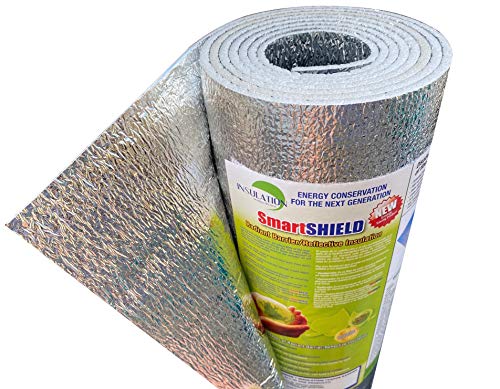
INSULATION MARKETPLACE SmartSHIELD -3mm 16inx10Ft ReflectiveINSULATION roll, Foam Core Radiant Barrier, ThermalINSULATION Shield – Engineered Foil
EXTREMELY EFFECTIVE – reflect 95% of radiant energy, perfect RADIANT BARRIER.
As an affiliate, we earn on qualifying purchases.
As an affiliate, we earn on qualifying purchases.
Conclusion
Ignoring your detached studio’s cooling needs might save you a few bucks now, but it’s like ignoring a leak—you’ll pay for it later. While a cheap fan or window unit seems tempting, the heat can turn your creative oasis into a sweltering nightmare. Investing in proper insulation and an efficient cooling system means fewer headaches and more productive days. After all, comfort isn’t just a luxury; it’s the foundation of your best work.

Solar Powered Car Kit (10-Pack) – Build-Your-Own Wooden Solar Vehicles for Kids, STEM Engineering Project Kits for Classroom, Renewable Energy Science Experiments, Ages 8 and up
10-Pack Solar Car Kit Perfect for STEM Classrooms and Groups: Includes 10 individual solar powered car kits. Ideal…
As an affiliate, we earn on qualifying purchases.
As an affiliate, we earn on qualifying purchases.
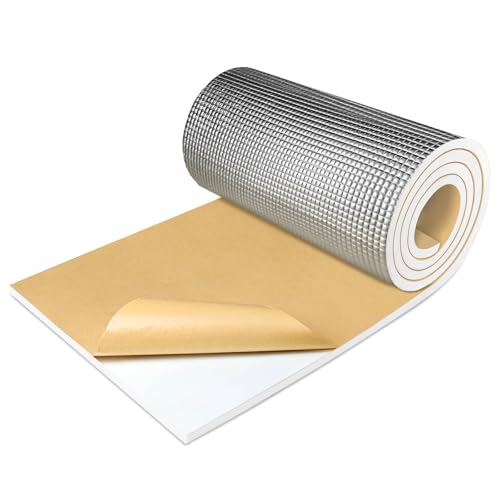
TroyStudio Sound Proof PEF Closed Cell Foam with Aluminum Foil, Self-Adhesive 13" x 78" Heat Shield White Foam Sheet – Waterproof Noise Vibration Thermal Insulation Roll for Home, HVAC and Car
【SPECIFICATION】: This acoustic & thermal insulation foam roll is crafted from PEF closed cell foam, aluminum foil surface,…
As an affiliate, we earn on qualifying purchases.
As an affiliate, we earn on qualifying purchases.