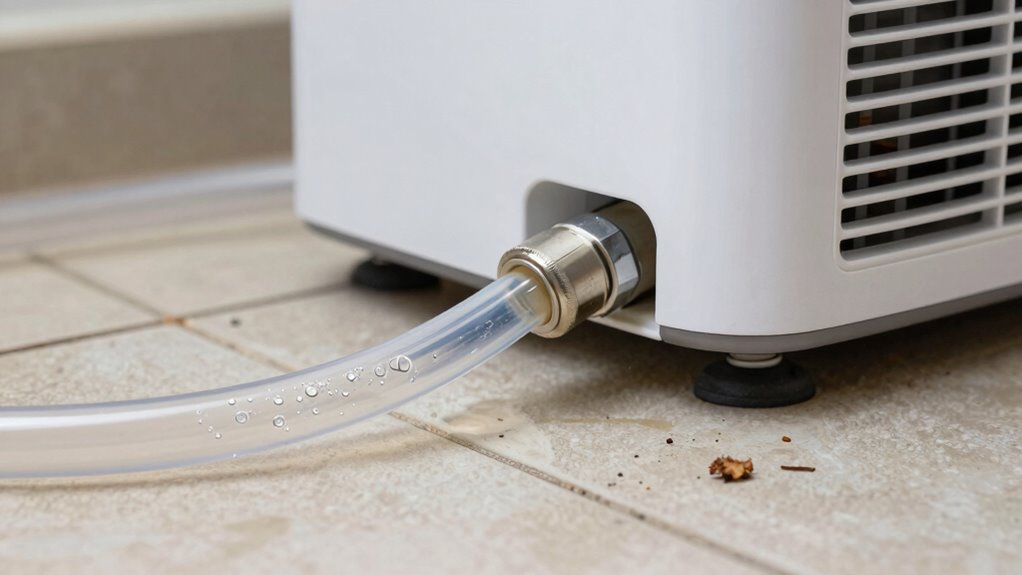

The most common mistake that ruins many dehumidifier installs is neglecting proper drain setup, especially skipping gravity-assisted drainage. Without a clear, downward slope and secure connections, leaks, blockages, and performance issues happen. Vibration, improper routing, and loose fittings worsen the problem. To avoid costly repairs, you need to plan carefully, select the right components, and maintain regular checks. Stay with us to discover how to set up a drain system that lasts.
Key Takeaways
- Incorrect drain slope causes water pooling, leaks, and reduced dehumidifier efficiency over time.
- Using inflexible or poorly secured tubing increases risk of disconnections and water damage.
- Poor drain routing with excessive bends or height differences obstructs flow and promotes clogs.
- Neglecting regular drain maintenance leads to buildup, blockages, and potential system failure.
- Failing to check for leaks and proper connections before operation can cause significant water damage.
Why Proper Drain Setup Is Key to Your Dehumidifier’s Performance

Proper drain setup is vital because it directly affects how well your dehumidifier works over time. If your drainage system isn’t correctly installed, excess moisture can accumulate or leak, reducing efficiency. Using effective waterproofing techniques guarantees your setup remains sealed and prevents water damage. Understanding drainage system types, such as gravity drains or pump-assisted systems, helps you choose the best method for your space. A reliable drain route prevents water backups and ensures continuous operation. Poorly planned drainage can cause leaks, mold, and costly repairs, all of which hinder dehumidifier performance. Incorporating natural drainage principles can improve overall system reliability and sustainability. Additionally, considering proper drainage design ensures your setup remains effective even during heavy use or unexpected conditions. Recognizing the importance of effective water management can further enhance the longevity of your installation. By prioritizing a solid drain setup, you maintain ideal humidity control and extend your dehumidifier’s lifespan. Proper drainage isn’t just about convenience; it’s an essential part of a successful installation.
How to Plan a Leak-Free Drain Route for Your Dehumidifier
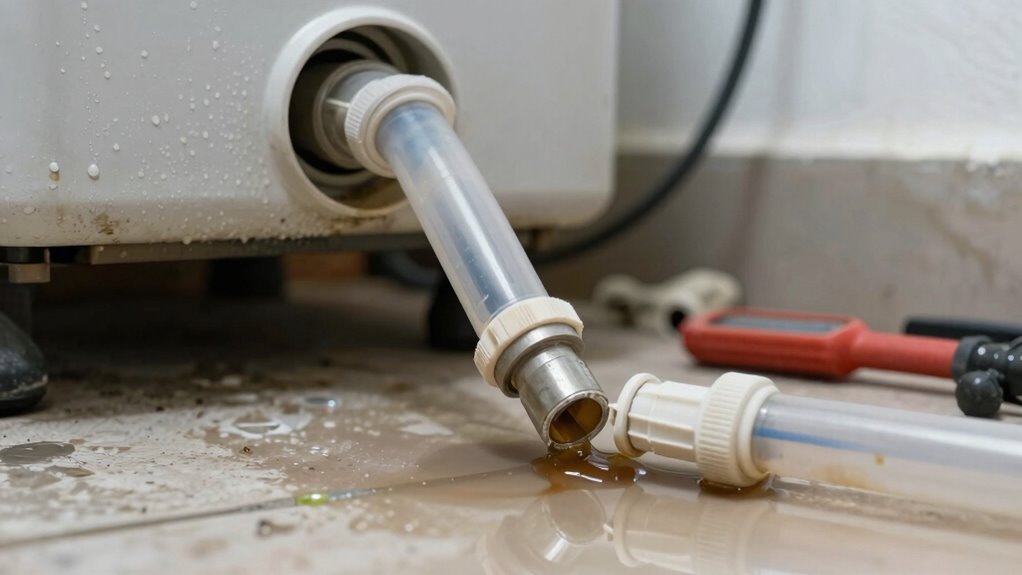
To guarantee your dehumidifier drains smoothly, plan a clear and direct route that minimizes bends and height differences. This reduces the risk of leaks and blockages that can disrupt its performance. Properly routing the drain helps maintain a reliable, leak-free setup. Using the right DIY tools can make installation safer and more precise. Additionally, ensuring the drainage system is correctly calibrated prevents water from pooling or overflowing, which can cause damage over time. Considering the importance of proper planning can further ensure an efficient and long-lasting installation. Being aware of common installation mistakes can help you avoid issues that compromise the drain’s effectiveness.
Optimal Drain Path Planning
Planning a leak-free drain route for your dehumidifier starts with choosing the right path that guarantees reliable water flow and avoids potential issues. You need to take into account drain height to ensure gravity helps the water flow smoothly without backups or leaks. Keep pipe material in mind—use durable, corrosion-resistant options like PVC or flexible tubing.
Here are four key tips:
- Maintain a consistent downward slope, about 1/4 inch per foot.
- Avoid sharp bends that can cause clogs or leaks.
- Keep the drain route away from high-traffic or vibrating areas.
- Check that the drain height aligns with the dehumidifier’s outlet for proper flow.
Following these steps helps ensure a leak-proof, efficient drain setup.
Preventing Drain Blockages
A well-designed drain route is key to preventing blockages that can cause water backups and damage your dehumidifier. To guarantee a leak-free system, incorporate effective waterproofing techniques at connection points and joints, preventing leaks that can lead to debris buildup. Use smooth, continuous piping with gentle slopes to facilitate proper drainage and avoid stagnation. Ventilation strategies are equally important—they help prevent airlocks and ensure consistent water flow. Regularly inspect and clean the drain line to clear out any debris or mineral deposits. Installing a trap or bend can also prevent debris from entering the drain. Proper drain design principles ensure the longevity and efficiency of your dehumidifier, helping to minimize maintenance issues. Additionally, understanding electric power generation with bike generators can inspire alternative ways to power or maintain your dehumidifier in off-grid situations. By combining waterproofing techniques with proper ventilation strategies, you create a reliable, clog-resistant drain route that keeps your dehumidifier running smoothly.
Choosing the Best Drain Components and Materials
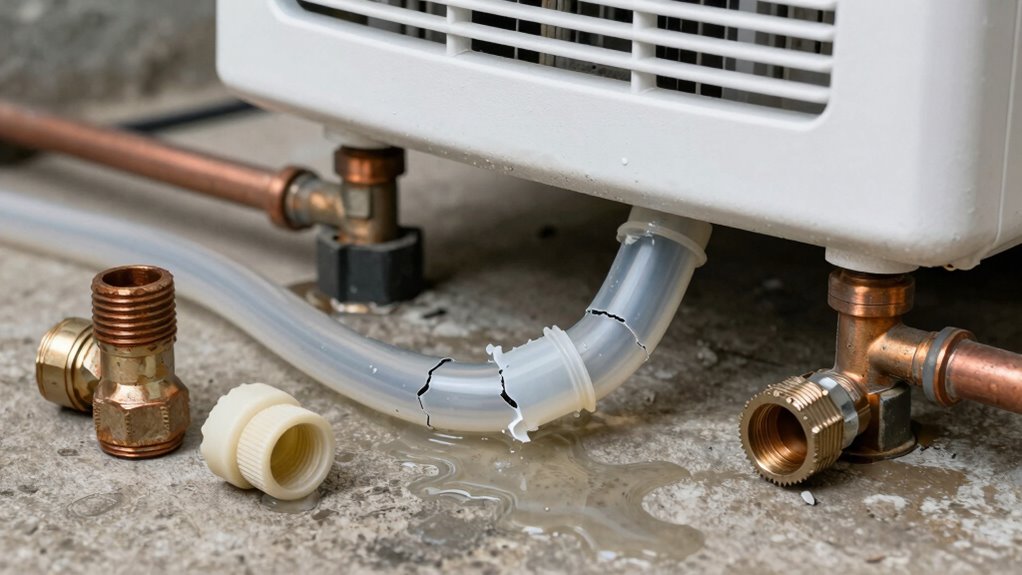
Are you selecting the right drain components for your dehumidifier installation? Choosing the correct drain material and ensuring component compatibility are essential for a successful setup. Poor choices can lead to leaks or clogs down the line. To get it right, consider these key points:
Ensure drain components are compatible and durable to prevent leaks and clogs.
- Select durable, flexible tubing made from PVC or silicone for reliable drainage.
- Check that fittings and connectors match your dehumidifier’s drain outlet size.
- Use corrosion-resistant materials to prevent deterioration over time.
- Make sure all components are compatible with your drain’s flow rate and pressure requirements.
- Understanding the capacity of your drainage system is crucial for preventing overflows and maintaining efficient operation. Additionally, selecting components that meet the material standards ensures longevity and safety in your setup, aligning with best practices for standardized protocols in fluid management. Being aware of material compatibility can help prevent premature failures and ensure a seamless installation.
How to Install Your Dehumidifier Drain for Long-Term Success

To guarantee your dehumidifier drain works reliably over time, focus on proper drain placement, making sure it’s positioned to drain smoothly without kinks or obstructions. Use secure connection techniques to prevent leaks and disconnections, and check your setup regularly to catch any issues early. Keeping these points in mind helps your dehumidifier run efficiently and avoid costly mistakes. Additionally, ensuring your template compatibility is maintained can prevent unforeseen installation issues down the line.
Proper Drain Placement
Ever wonder why proper drain placement is essential for your dehumidifier’s long-term performance? It guarantees efficient water removal and prevents issues like mold or water damage. To get it right:
- Place the drain outlet where water can flow freely, avoiding bends or kinks that slow drainage.
- Keep the drain accessible for regular drain cleaning and inspections, preventing clogs.
- Elevate the drain slightly if needed to promote gravity flow, especially over longer distances.
- Incorporate a water filtration system if your water contains debris, protecting the drain and reducing blockages.
- Regularly monitor the drain’s condition to prevent clogging and damage, ensuring continuous operation.
Proper placement minimizes maintenance and helps maintain the dehumidifier’s efficiency, ensuring consistent moisture control without costly repairs.
Secure Connection Techniques
Securing the drain connection properly is essential for preventing leaks and guaranteeing your dehumidifier functions reliably over time. Use high-quality, flexible tubing with secure fittings to create a tight seal, avoiding loose connections that can cause water damage. Apply clamps or clips where necessary to hold the drain firmly in place, preventing disconnections. Properly angled piping ensures gravity assists drainage, reducing the risk of standing water that promotes mold or clogs. Regular drain cleaning keeps the line clear and maintains efficient moisture control. Always double-check connections for leaks before powering on the unit. Incorporating smart home safety features, such as leak detectors and automatic shutoff systems, can provide added protection against water damage. A secure, well-installed drain minimizes the chance of water damage and guarantees consistent moisture removal, helping your dehumidifier operate smoothly and effectively for years to come. Proper installation techniques are crucial for long-term performance and peace of mind.
Regular Maintenance Checks
Regular maintenance checks are key to guaranteeing your dehumidifier’s drain system continues to operate smoothly over time. Regularly inspect for airflow obstruction, which can cause water backup or system failure. Keep the area around the unit clear to prevent dust or debris from blocking vents. Also, check the power cord safety—make sure it’s undamaged and securely plugged in to avoid electrical hazards. Here are four essential tasks to include in your routine:
- Clear any airflow obstructions around the intake and exhaust vents.
- Inspect and tighten the drain connection if needed.
- Ensure the power cord isn’t frayed or loose.
- Test that the drain is flowing freely without leaks or clogs.
Regular maintenance checks help prevent setup mistakes that could ruin your dehumidifier’s long-term performance, especially if you install your drain incorrectly.
Troubleshooting Drain Leaks and Blockages Before Damage Occurs
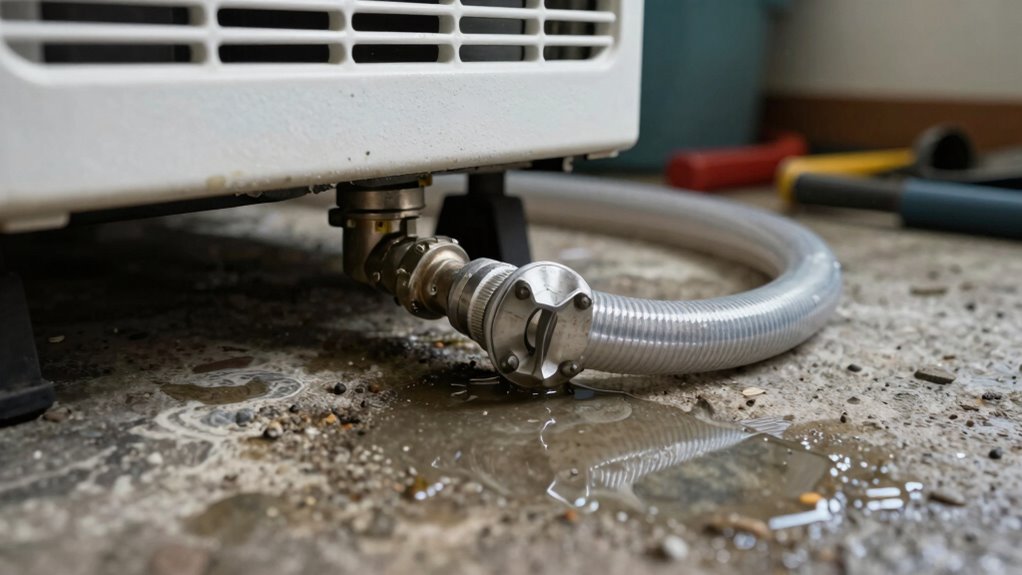
Before a drain leak or blockage causes serious damage, it’s essential to identify and address issues early. Check water pressure to guarantee it’s not too high, which can strain the drain and cause leaks. Also, verify the drain slope; it should be angled properly to allow gravity to carry water away smoothly. If the slope is too shallow or uneven, water can stagnate, leading to blockages or leaks. Regularly inspect the drain line for any signs of cracks, corrosion, or buildup. Clear obstructions promptly using appropriate tools, and consider flushing the drain with a mild solution to prevent buildup. Addressing these factors early helps prevent water damage and keeps your dehumidifier functioning efficiently.
Maintaining Your Drain System for Peak Efficiency
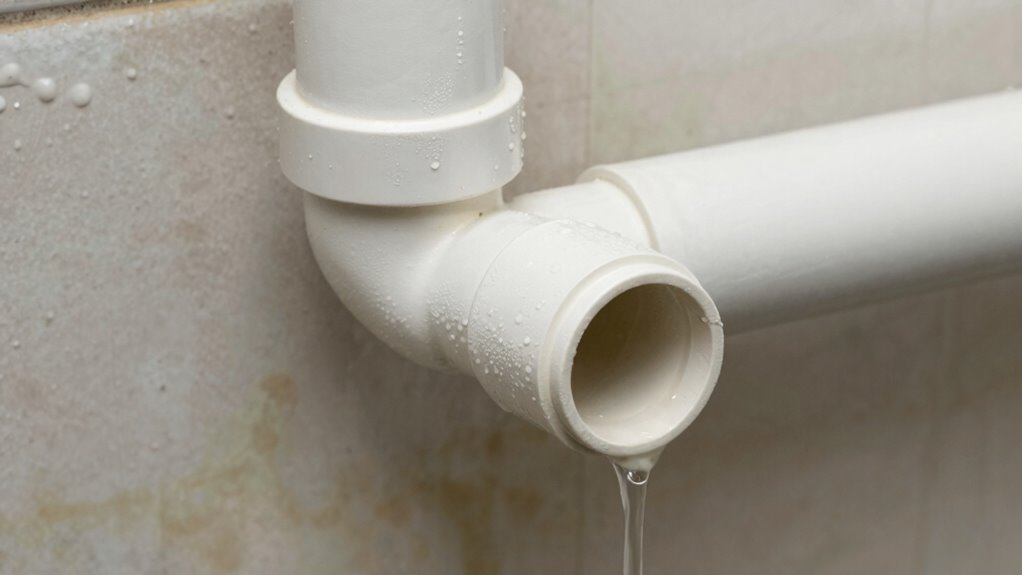
Are you making sure your drain system stays in top shape? Regular maintenance keeps your dehumidifier running efficiently and prevents costly issues. Check the drain color; clear, consistent water indicates proper flow. Keep an eye on water temperature—cold water can cause clogs, while warm water promotes mold growth. To maintain peak performance:
Regular drain checks prevent clogs, mold, and costly repairs—keep your dehumidifier running smoothly.
- Clean the drain line periodically to prevent buildup.
- Confirm the drain is free of blockages or kinks.
- Use a drain cover to filter debris.
- Monitor water temperature to avoid temperature-related clogs or mold.
When to Call a Professional for Drain Installation Help
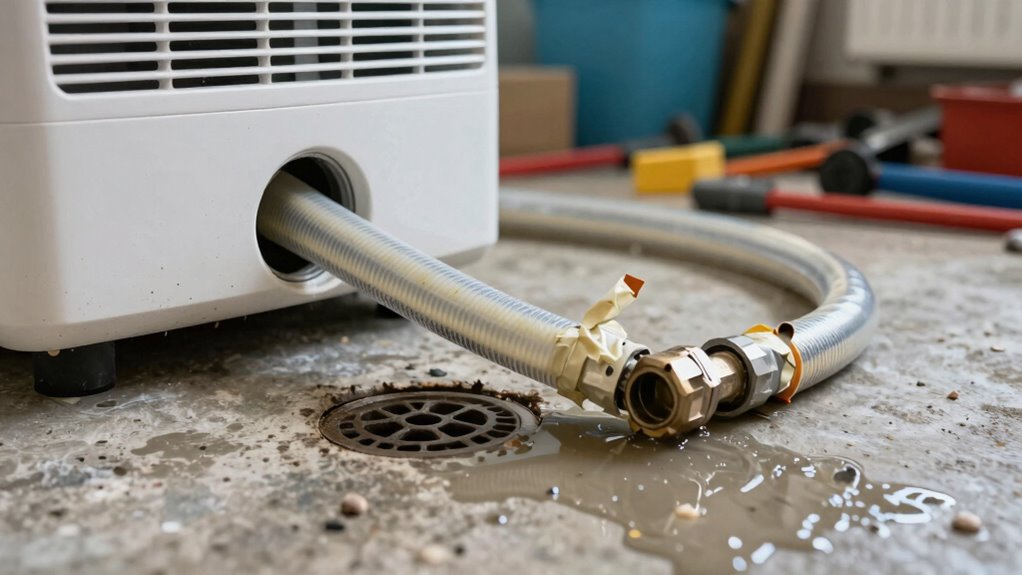
Knowing when to call a professional for drain installation help can save you time and prevent costly mistakes. If your dehumidifier’s drainage setup disrupts your interior design or hampers energy efficiency, it’s time to seek expert assistance. Signs include persistent clogs, leaks, or improper slope that compromise performance. A professional can verify your drain aligns with your space’s aesthetics and maintains ideal airflow. Additionally, understanding inclusive casting practices can ensure your installation considers diverse needs and aesthetic preferences.
Tips to Prevent Costly Repairs From Drain Mistakes

Properly installing and maintaining your dehumidifier’s drain can save you from costly repairs down the line. Understanding historical trends shows that many damage issues stem from overlooked maintenance. Regional differences, such as climate and building codes, also influence proper drain setup. To prevent costly mistakes:
Proper drain installation and maintenance prevent costly dehumidifier repairs over time.
- Check local regulations to ensure your drain meets regional standards.
- Regularly inspect the drain for clogs or leaks, especially in humid or variable climates.
- Use the correct tubing and fittings recommended by the manufacturer.
- Maintain a slight downward slope to prevent standing water and backflow.
- Being aware of regional differences can help you adapt your installation to specific climate conditions and building requirements. Additionally, understanding proper drainage practices can further reduce the risk of issues arising from improper setup.
Staying aware of these factors helps you avoid common pitfalls and keeps your dehumidifier running smoothly for years. Proper setup based on regional differences diminishes the risk of costly repairs.
Common Drain Setup Mistakes to Avoid
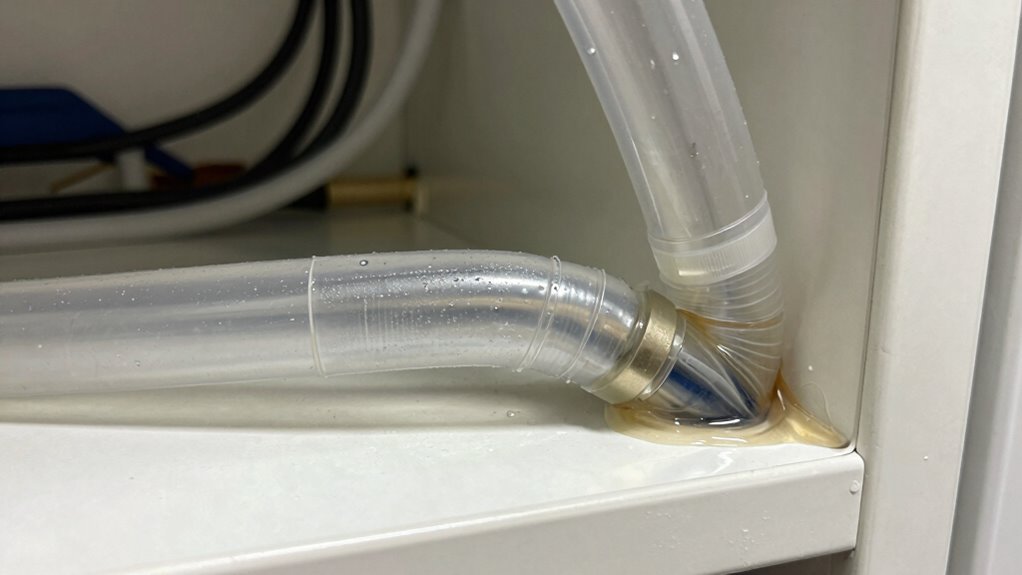
One of the most common drain setup mistakes is neglecting to maintain a consistent downward slope, which can cause water to pool or back up into your dehumidifier. Poor slope can lead to leaks or inefficient drainage. Additionally, avoid mixing colors in your piping—color coordination helps identify and troubleshoot issues easily. Also, improper installation can increase noise, disrupting your space’s tranquility. To minimize noise, secure pipes firmly and use flexible fittings. Properly managing sound vibrations can also serve as an analogy for maintaining hive stability during equipment installation. Here’s a quick reference:
| Mistake | Solution | Benefit |
|---|---|---|
| Ignoring slope | Maintain a steady downward slope | Proper drainage, no backups |
| Poor color coordination | Use color-coded pipes | Easy troubleshooting |
| Neglecting noise reduction | Secure pipes, add insulation | Quieter operation |
Avoid these mistakes for a smooth, efficient drain setup.
Frequently Asked Questions
What Are the Signs of a Poorly Installed Dehumidifier Drain?
If your dehumidifier drain is poorly installed, you’ll notice signs like water leaks or mold around the unit. Airflow obstructions can cause it to work inefficiently, while drain pipe corrosion may lead to leaks or clogs. You might also see standing water or experience excess humidity. Regularly check for these issues, and make sure the drain pipe is clear and corrosion-free to keep your dehumidifier running smoothly.
How Often Should I Inspect My Drain System?
You should inspect your drain system at least once a month to guarantee proper drain maintenance. Regular checks help you catch clogs or leaks early, preventing damage or system failure. During inspections, look for blockages, mold, or standing water. System troubleshooting becomes easier when you catch issues early. Keep the drain clean and clear, and address any problems promptly to keep your dehumidifier functioning effectively and avoid costly repairs.
Can I Install a Drain System Myself Without Experience?
Yes, you can try a DIY installation of a dehumidifier drain system if you’re comfortable with basic plumbing tasks. However, it’s often best to seek professional assistance to make sure proper setup and avoid common mistakes, like improper slope or leaks. A professional can guarantee your drain system functions correctly, preventing water damage or mold issues. If you’re unsure about your skills, don’t hesitate to call in expert help for a safe, effective installation.
What Materials Are Best for Preventing Mold in Drains?
To prevent mold in your drain pipe, use materials like PVC pipes with smooth interiors and non-porous sealants, which resist mold growth. Imagine a clear, clean drain pipe flowing effortlessly—this is what mold prevention offers. Incorporate antimicrobial additives into your drain materials, and guarantee proper ventilation. These choices keep moisture away and inhibit mold, creating a dry, fresh environment that preserves your dehumidifier’s efficiency and longevity.
How Do Climate Conditions Affect Drain Setup Requirements?
Climate impact plays a crucial role in drain setup requirements, so you must adjust your drain design considerations accordingly. In humid or rainy environments, make certain your drain slopes properly to prevent standing water and mold growth. In colder climates, incorporate insulation to avoid freezing, which can block the drain. By understanding these climate influences, you can create a reliable drainage system that prevents issues and prolongs your dehumidifier’s lifespan.
Conclusion
Proper drain setup is essential—surprisingly, over 60% of dehumidifier failures are caused by simple drainage issues. When you plan carefully, choose quality components, and maintain your system, you’ll prevent costly leaks and extend your unit’s lifespan. Don’t overlook the small details; a minor mistake can lead to major damage. Stay vigilant, troubleshoot early, and call a pro if needed. Taking these steps guarantees your dehumidifier runs efficiently for years to come.