To build a smart climate setup for a mixed Apple and Google household, start by choosing a compatible smart thermostat like the Ecobee or Nest. Link it to both the Apple Home and Google Home apps for seamless control. Consider adding smart vents and air purifiers to enhance airflow and air quality. Make certain all devices communicate effectively to create a cohesive system. This approach not only boosts comfort but also helps you save on energy costs, and you’ll discover even more smart options ahead.

Get home appliances delivered free with Prime
- Fast, free delivery on millions of items
- Prime Video, Amazon Music and more included
- Member-only deals all year
Key Takeaways
- Choose a smart thermostat compatible with both Apple HomeKit and Google Assistant, like the Nest Learning Thermostat or Ecobee SmartThermostat.
- Follow detailed installation instructions or consider hiring a professional to ensure proper setup and integration with both platforms.
- Utilize geofencing and energy-saving modes to optimize temperature control based on your location and save on energy bills.
- Incorporate additional smart devices, such as smart vents and air purifiers, to enhance air quality and maintain even temperature.
- Ensure all devices are cross-platform compatible for seamless operation and plan for future scalability to accommodate additional smart devices.
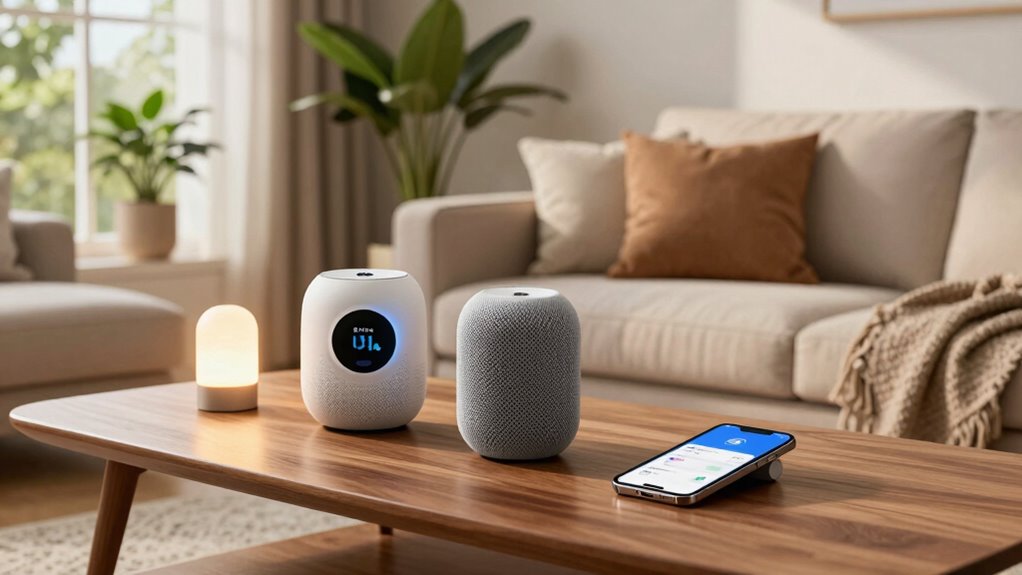
As you embrace the future of smart living, setting up a climate control system that seamlessly integrates with your Apple or Google devices can transform your home. Imagine adjusting your thermostat while you’re on the couch or even miles away, all through a simple voice command or a tap on your smartphone. You’ll find that selecting the right smart thermostat options is vital for a smooth experience in a mixed household.
Start by researching smart thermostat options that offer cross-platform compatibility. You want devices that work well with both Apple HomeKit and Google Assistant. Popular choices like the Nest Learning Thermostat and Ecobee SmartThermostat excel in this area. These devices not only provide excellent climate control but also allow you to set schedules, monitor energy usage, and even adjust settings remotely. It’s essential to verify the thermostat you choose has robust integration capabilities, so you can easily switch between your Apple and Google devices. Additionally, checking for software updates ensures your system remains secure and compatible over time. Incorporating upgradable hardware can further extend the lifespan of your smart climate system and keep it running smoothly. A well-designed system also considers future scalability to accommodate additional smart devices down the line. Furthermore, researching compatibility standards can help you ensure that all components will work harmoniously within your ecosystem.
Research smart thermostats with cross-platform compatibility to seamlessly control your home climate with both Apple HomeKit and Google Assistant.
Next, consider how you’ll install the thermostat. Most models come with detailed instructions, and you may even find video tutorials online. If you’re not comfortable doing it yourself, hiring a professional can save you time and guarantee everything’s set up correctly. Once installed, you’ll want to link your device to both the Apple Home app and Google Home app. This way, you can control your home’s climate with whichever platform you prefer at any given moment.
After your thermostat is set up, explore smart climate features. Many models offer geofencing, which adjusts the temperature based on your location. For instance, when you leave home, the thermostat can automatically switch to energy-saving mode. When you’re about to arrive, it can start heating or cooling the house to your desired comfort level. This not only enhances convenience but also helps you save on energy bills.
Don’t forget to integrate other smart devices, like smart vents or air purifiers, into your climate control system. These can enhance your home’s air quality and help maintain an even temperature throughout different rooms. The key is confirming everything works harmoniously, creating a cohesive ecosystem.
In the end, building a smart climate setup in a mixed Apple and Google household is all about choosing the right devices and making sure they communicate effectively. With the right smart thermostat options and cross-platform compatibility, you can enjoy a comfortable, energy-efficient home tailored to your lifestyle.
Products Worth Considering

LEVOIT Vital 200S-P Smart Air Purifier for Large Rooms

Blueair Blue Pure 511i Max Smart Air Purifier

Coway Mighty AP-1512HH(W) Air Purifier, White
As an affiliate, we earn on qualifying purchases.
Frequently Asked Questions
Can I Use Both Apple and Google Devices Simultaneously?
Yes, you can use both Apple and Google devices simultaneously. Many cross-platform apps enhance device compatibility, allowing you to control smart home features seamlessly. For instance, apps like IFTTT or Google Home can bridge the gap between your devices. Just confirm your devices are connected to the same network and configured correctly. With a little setup, you’ll enjoy a cohesive experience across your mixed ecosystem without hassle!
What Are the Costs Associated With a Mixed Setup?
When you’re considering costs for a mixed setup, what’s your budget? You’ll need to think about device compatibility, as some gadgets might not work seamlessly together. Expect to pay a premium for devices that integrate well with both Apple and Google ecosystems. Plus, don’t forget additional expenses like smart hubs or adapters. Balancing your budget with the right choices can help you create an efficient and effective smart climate system.
How Do I Troubleshoot Connectivity Issues?
To troubleshoot connectivity issues, start by checking your Wi-Fi optimization. Verify your router is placed centrally and not obstructed. Reboot your devices to refresh connections, and make certain they’re compatible with each other. You might need to update firmware on your devices or router. If problems persist, consider adjusting your router settings or using a Wi-Fi extender to enhance coverage. Regularly testing your network can help maintain smooth connectivity.
Are There Specific Brands to Avoid?
Yes, there are specific brands to avoid if you want a smooth smart climate setup. Brands with poor brand compatibility concerns often lead to frustrating user experience drawbacks. For instance, some devices may not sync well with Apple or Google ecosystems, causing connectivity issues. You should stick with well-reviewed brands known for cross-compatibility, ensuring seamless integration and a better overall experience. Research user reviews to find reliable options that work well together.
Can I Integrate Other Smart Home Devices?
Yes, you can integrate other smart home devices! Just make sure to check device compatibility with your existing systems. Look for devices that support both Apple HomeKit and Google Assistant for seamless integration. This way, you’ll have more automation options, allowing you to control everything from lighting to thermostats effortlessly. By choosing compatible devices, you’ll enhance your smart home experience and enjoy a cohesive setup that meets your needs.
Conclusion
In a smart climate setup, your Apple and Google gadgets can work wonders together. By blending their best features, you’ll create a harmonious home that’s both handy and high-tech. With a little planning, you’ll enjoy seamless control, stunning savings, and a sustainable space. So, don’t hesitate—make your mixed-tech environment a marvel of modern living. Embrace this exciting endeavor, and watch your cozy castle transform into a climate-conscious haven!