Geofencing works better for some households because it relies on several factors. Location accuracy varies by urban and rural settings, impacting reliability. User engagement also plays a huge role; engaged users maximize its benefits. Plus, privacy concerns can affect adoption rates—some families are more comfortable sharing their data. Stronger tech integration and device compatibility enhance the experience, making it smoother. Curious about how these elements combine to shape your household’s geofencing effectiveness? There’s more to uncover!

Get home appliances delivered free with Prime
- Fast, free delivery on millions of items
- Prime Video, Amazon Music and more included
- Member-only deals all year
Key Takeaways
- Location Accuracy: Geofencing effectiveness varies by urban density, as stronger GPS signals enhance reliability in populated areas compared to rural settings.
- User Engagement: Households that actively utilize and engage with geofencing features experience greater benefits and efficiency in daily tasks.
- Device Compatibility: The performance of geofencing technology is influenced by the compatibility of devices within a household’s smart home ecosystem.
- Privacy Concerns: Families prioritizing privacy may resist geofencing adoption, impacting its overall effectiveness and user engagement.
- Marketing Strategies: Tailored location-based promotions resonate more with engaged households, maximizing the perceived value of geofencing features.
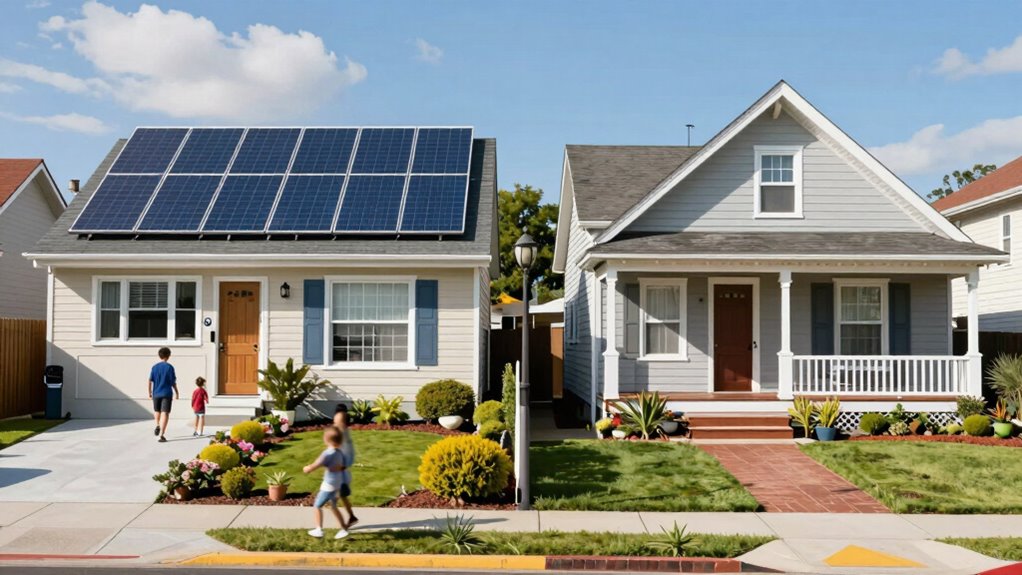
As you navigate your daily life, geofencing can streamline your household management in ways you might not have imagined. Imagine receiving reminders to pick up groceries as you pass your favorite store or having your home’s thermostat adjust automatically when you’re nearby. However, the effectiveness of geofencing varies markedly among households, influenced by several factors, including location accuracy, user engagement, and technology adoption.
Geofencing can enhance your daily life by automating reminders and adjusting home settings as you move, but its effectiveness varies by household.
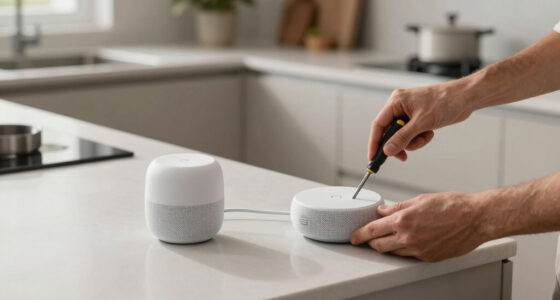
For households that embrace technology, geofencing can truly shine. High technology adoption rates often mean better integration of apps and devices, allowing you to maximize the benefits of geofencing. If you and your family are already using smart home devices, you’ll find that app integration enhances your experience. You can effortlessly connect your security system, lighting, and thermostat to your geofencing app, creating a seamless smart home environment. The more engaged you are with these technologies, the more effective geofencing becomes.
Location accuracy plays a vital role in this equation. Households situated in urban environments usually experience better location tracking compared to those in rural areas. In densely populated regions, GPS and cellular signals are stronger, leading to more precise geofencing. If you live in an area with weaker signals, you might find that your geofencing features are less reliable, leading to frustration and reduced user engagement. This discrepancy can impact how well geofencing works for your household, making it essential to reflect on your location when evaluating its potential benefits. Additionally, location accuracy can be significantly improved with the right devices and settings, further enhancing geofencing reliability. Improving device compatibility can also help mitigate issues related to signal quality and increase overall effectiveness. Furthermore, understanding the limitations of GPS technology can help set realistic expectations for geofencing performance.
Privacy concerns also influence how effectively geofencing is adopted in different households. Families that prioritize privacy may hesitate to implement technologies that require constant location tracking. If your household demographics include tech-savvy individuals who are comfortable sharing their data, you’ll likely see better results. On the other hand, if your family is wary of privacy invasions, you might miss out on the advantages that geofencing offers.
Finally, marketing effectiveness can vary based on household dynamics. If your household engages with location-based promotions, you’ll find geofencing incredibly beneficial. However, if your family tends to overlook such offers, the technology may not deliver the same value. Ultimately, the effectiveness of geofencing hinges on a combination of location accuracy, user engagement, privacy concerns, and household demographics. By evaluating these factors, you can determine whether geofencing is a smart fit for your household management needs.
Products Worth Considering

Ring Alarm 8-Piece Kit (2nd Gen) Home Security System

Ring Alarm 14-Piece Wireless Security System Kit

Blueair Blue Pure 511i Max Smart Air Purifier
As an affiliate, we earn on qualifying purchases.
Frequently Asked Questions
How Does Geofencing Impact Household Energy Consumption?
Geofencing impacts your household energy consumption by enabling smart thermostats to adjust settings based on your location. You’ll experience energy savings as the system automates temperature changes during peak hours, aligning with your usage patterns. This technology encourages behavioral changes, like reducing energy use when you’re away. With these automation benefits, your home becomes more efficient, allowing you to save money while keeping comfortable, even when you’re not physically present.
Can Geofencing Be Used for Home Security Purposes?
Yes, you can definitely use geofencing for home security purposes. By setting up virtual boundaries, you can receive alerts if someone enters your property unexpectedly. Geofencing benefits include smart alarms that activate when you leave or approach home, ensuring you’re always in control. Plus, remote monitoring lets you check your home’s status from anywhere. This tech enhances your peace of mind and keeps your property safer when you’re away.
What Devices Are Compatible With Geofencing Technology?
Think of geofencing as a digital fence that keeps your home secure and comfortable. You’ll find that smart thermostats, security cameras, and even some lighting systems are compatible with geofencing technology. These devices use location tracking to adjust settings automatically as you arrive or leave. By syncing your smartphone with these innovations, you can create a seamless environment that responds to your movements, making your home smarter and more efficient.
How Accurate Is Geofencing in Urban Versus Rural Areas?
Geofencing accuracy varies considerably between urban and rural areas. In urban settings, high density can enhance location precision but also lead to signal interference from buildings. You might notice more consistent notifications there. Conversely, in rural areas, connectivity can be spotty, which may affect the geofencing’s reliability. You’ll find that rural environments often struggle with less precise location tracking due to fewer cell towers and weaker signals.
Are There Privacy Concerns With Geofencing in Households?
Imagine a watchful eye tracking your every move; that’s the essence of geofencing. Yes, there are privacy implications. You need to give user consent for location tracking, and it’s vital to reflect on data security. Companies often use this data for marketing strategies, but ethical considerations arise when they misuse it. It’s essential to stay informed and cautious, ensuring your privacy isn’t compromised while enjoying the benefits of targeted services.
Conclusion
To sum up, geofencing can be a game changer for some households, but it really depends on your lifestyle and tech setup. Did you know that households with smart home devices see a 30% increase in geofencing effectiveness? By integrating your devices and optimizing your location settings, you can make the most of this technology. So, whether it’s reminders or security alerts, geofencing can enhance your daily life—if you tailor it to fit your unique needs!