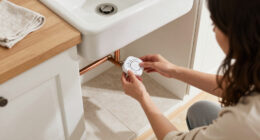
To use utility rebates when buying a smart thermostat, first check if your utility offers a program for eligible devices. Make sure the thermostat you choose is approved by your provider and follow their application process, which often includes submitting receipts and registering the device. Funding may be limited, so act quickly to maximize your savings. Keep in mind there might be additional steps, but staying informed can help you get the most out of these rebates.

Get home appliances delivered free with Prime
- Fast, free delivery on millions of items
- Prime Video, Amazon Music and more included
- Member-only deals all year
Key Takeaways
- Verify that the smart thermostat model is approved by your utility provider before purchasing.
- Keep purchase receipts and documentation to support your rebate application.
- Submit your rebate application through the utility’s designated online portal or mailing process before deadlines.
- Ensure your installation and participation meet program requirements, such as enrollment in demand response if necessary.
- Check rebate amounts and funding availability, and complete all post-installation steps like device registration or surveys.

If you’re looking to upgrade your home’s heating system, taking advantage of utility rebates when buying a smart thermostat can save you money and boost energy efficiency. These rebates are designed to encourage homeowners like you to adopt more sustainable and cost-effective heating solutions. When you choose a smart thermostat, you don’t just get the convenience of remote control and scheduling—you also open the door to significant energy savings. Smarter thermostats can learn your habits, optimize heating and cooling schedules, and reduce unnecessary energy use. Over time, this translates into lower utility bills and a smaller carbon footprint.
Upgrade to a smart thermostat to save money and reduce your carbon footprint.
However, to maximize your benefits, you’ll want to pay close attention to rebate eligibility. Utility companies often offer specific programs that provide financial incentives for installing qualifying smart thermostats. To qualify, you usually need to purchase a model approved by your utility provider, which often means checking their list of eligible devices beforehand. Some programs may also require you to enroll in a demand response program or agree to allow remote adjustments during peak periods in exchange for rebates. This is a win-win: you help stabilize the grid during high demand while saving money.
The process to access these rebates is generally straightforward. First, verify your eligibility—some utilities only offer rebates to residential customers or those in specific service areas. Next, purchase a qualifying smart thermostat, ensuring it meets the program’s specifications. Keep your receipt and any documentation provided at purchase, because you’ll need it when applying for the rebate. Many utilities have online portals where you can submit your application digitally or provide instructions for mailing in your documents. Once approved, you’ll receive a rebate check or credit on your bill, reducing the overall cost of your new device. Additionally, choosing a cold-pressed vegetable juice can help support your overall health as you make energy-efficient upgrades.
It’s worth noting that rebate amounts vary by utility and location, but the savings can be substantial—sometimes enough to cover a significant portion of the thermostat’s cost. Additionally, many programs have limited funding, so it pays to apply promptly. Keep an eye on deadlines and requirements, like registering your device after installation or participating in a short survey. By understanding rebate eligibility and carefully following the application process, you ensure you don’t miss out on valuable savings.
smart thermostat approved by utility rebate programs
As an affiliate, we earn on qualifying purchases.
As an affiliate, we earn on qualifying purchases.
Frequently Asked Questions
How Long Does the Rebate Application Process Typically Take?
The rebate application process usually takes between 4 to 8 weeks, depending on your utility provider. You should expect the rebate processing to begin shortly after you submit your application, but delays can occur if additional documentation is needed. To guarantee a smooth application timeline, double-check all the required information before submitting. Keep track of your submission and follow up if you don’t hear back within the expected timeframe.
Are There Any Restrictions on Which Smart Thermostats Qualify?
You’ll find that rebate eligibility depends on product compatibility; not all smart thermostats qualify. Imagine a sleek device, seamlessly syncing with your system, meeting specific features and brand requirements. Check the rebate guidelines carefully—some programs restrict certain models or brands. By selecting a thermostat that aligns with these restrictions, you guarantee your purchase qualifies, making your energy-saving upgrade both smart and budget-friendly.
Can I Combine Utility Rebates With Other Discounts or Offers?
Yes, you can often combine utility rebates with other discounts or offers, but it depends on rebate stacking policies and discount compatibility. Check with your utility provider and retailer to confirm if they allow multiple incentives. Some programs restrict rebate stacking, so always verify before making your purchase. This way, you maximize savings without risking disqualification, ensuring you get the best deal on your smart thermostat.
Do I Need to Install the Thermostat Myself or Hire a Professional?
Imagine you’re comfortable with DIY projects, but when it comes to installing a smart thermostat, you might prefer professional assistance. While some models allow for simple DIY installation, hiring a professional guarantees proper setup, especially if your system requires complex wiring or integration. This minimizes errors, maximizes efficiency, and helps you fully benefit from utility rebates. If unsure, consulting a pro guarantees a smooth installation and ideal system performance.
What Are Common Reasons for Rebate Application Denial?
Rejection reasons for rebate applications often include application errors like missing or incorrect information, or failing to meet eligibility requirements. You might get denied if you don’t submit proper proof of purchase or if the thermostat isn’t on the approved list. To prevent this, double-check all your details, verify your purchase qualifies, and follow the instructions carefully. Accurate, complete applications boost your chances of securing the rebate.
energy-efficient smart thermostats with rebate eligibility
As an affiliate, we earn on qualifying purchases.
As an affiliate, we earn on qualifying purchases.
Conclusion
Just like Daedalus crafted wings to rise above, leveraging utility rebates can elevate your smart thermostat purchase, saving you money and energy. By taking advantage of these offers, you’re not just upgrading your home—you’re embracing innovation for a smarter, more efficient future. Don’t let this golden opportunity slip away; seize the moment and turn your house into a haven of comfort and savings, much like Icarus aiming for the sun, but with a wiser approach.
best smart thermostats for utility rebate programs
As an affiliate, we earn on qualifying purchases.
As an affiliate, we earn on qualifying purchases.
smart thermostats compatible with demand response
As an affiliate, we earn on qualifying purchases.
As an affiliate, we earn on qualifying purchases.
Fall Picks
fall essentials
As an affiliate, we earn on qualifying purchases.