To fix upstairs heat issues in multi-zone systems, start by calibrating your thermostat to guarantee accurate readings. Seal and insulate your ducts to prevent heat loss, and check that all vents are open and unblocked. Balance airflow by adjusting dampers and ensure your system is properly sized for your home’s needs. These steps often resolve uneven heating, and if you keep exploring, you’ll discover even more ways to optimize your system’s performance.

Get home appliances delivered free with Prime
- Fast, free delivery on millions of items
- Prime Video, Amazon Music and more included
- Member-only deals all year
Key Takeaways
- Ensure thermostats are properly calibrated and functioning accurately to prevent misreading temperatures.
- Seal and insulate ductwork to minimize heat loss and improve airflow to upstairs zones.
- Check that zone dampers are opening correctly and vents are unobstructed for balanced airflow.
- Regularly maintain and clean ductwork to prevent leaks and blockages that hinder heat delivery.
- Confirm system capacity and consider zone control upgrades for consistent upstairs heating.

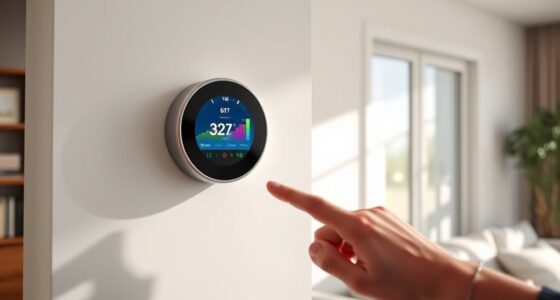
If your upstairs heat isn’t working properly in a multi-zone HVAC system, it can make your home uncomfortable and lead to inefficient energy use. One common cause is that the thermostat controlling the upstairs zone isn’t calibrated correctly. Over time, thermostats can drift from their actual temperature readings, causing your system to turn off too early or run too long. You can fix this by checking the thermostat calibration—set it to match a reliable thermometer and adjust if necessary. Proper calibration ensures the system responds accurately to the room’s actual temperature, preventing overheating or underheating upstairs.
Calibrate your upstairs thermostat to match a reliable thermometer for accurate heating control.
Another critical factor that affects upstairs heating is duct insulation. If the ducts running to the upstairs zone are poorly insulated or leaky, warm air escapes before reaching the vents, leaving that area chilly despite your system running. Improving duct insulation can make a significant difference. Wrap the ducts with proper insulation material, especially in unconditioned spaces like attics or crawl spaces, to prevent heat loss. Sealing any leaks around ducts with mastic sealant or foil tape also helps retain the heat and ensures that warm air reaches the intended zone efficiently. Proper duct insulation is essential for maintaining consistent temperatures throughout your home.
Beyond thermostat calibration and duct insulation, it’s important to take into account the balance of airflow between zones. Sometimes, the upstairs zone might not receive enough conditioned air because of blocked vents or improperly configured dampers. Check that all vents are open and unobstructed. If your system has zone dampers, verify they’re opening and closing as they should, allowing the right amount of airflow upstairs. Proper airflow balance, including correct damper settings, ensures your heating system works harmoniously, providing consistent warmth upstairs without overworking the system or wasting energy. Additionally, ensuring the airflow is evenly distributed can prevent hot and cold spots within your home.
Additionally, inspecting the entire zone’s ductwork for leaks or blockages can help. Leaks can divert warm air away from the upstairs zone, while blockages create pressure issues that reduce airflow. Regular maintenance, including sealing leaks and cleaning vents, keeps the system running smoothly. Ensuring the ductwork is properly designed and maintained is crucial for efficient heating, since poor duct design can lead to uneven temperature distribution.
Finally, sometimes the issue lies with the HVAC system’s overall capacity or control settings. If your system is undersized or outdated, it might struggle to heat the upstairs zone effectively. In such cases, upgrading to a more powerful system or adding a dedicated zone control can resolve persistent heat problems. But for most homeowners, starting with thermostat calibration, improving duct insulation, and balancing airflow provides a straightforward, cost-effective fix for upstairs heat issues in multi-zone systems.
As an affiliate, we earn on qualifying purchases.
Frequently Asked Questions
Can Multi-Zone Systems Improve Overall Energy Efficiency?
Yes, multi-zone systems can improve your overall energy efficiency. By using proper thermostat calibration, you guarantee each zone heats or cools accurately without wasting energy. Additionally, duct sealing prevents air leaks, making your system more effective and reducing energy loss. Together, these adjustments allow you to control temperatures precisely, cut down on energy consumption, and lower utility bills, making your home more comfortable and efficient.
What Are the Signs of a Failing Upstairs Heating Zone?
You’ll notice your upstairs heating zone failing if rooms are consistently cold, or if the thermostat calibration seems off, causing uneven temperatures. You might also see uneven heat distribution despite adjusting the controls. To fix this, check for insulation improvements, as poor insulation can strain your system. Regular maintenance and ensuring your thermostat functions correctly help prevent the zone from failing, maintaining consistent warmth upstairs.
How Long Does It Typically Take to Fix Upstairs Heat Issues?
Fixing upstairs heat issues usually takes a few hours to a day, depending on the problem. You might need to calibrate your thermostat to guarantee accurate temperature control or seal leaks in your ductwork to improve airflow. If the problem is more complex, like a faulty zone valve or system component, it could take longer. Consulting a professional can help diagnose and speed up the repair process.
Are There Specific Brands Better for Multi-Zone Heating Repairs?
Think of choosing a brand for multi-zone heating repairs like picking a reliable friend—you want one that’s dependable. Brands like Honeywell and Nest are known for quality, but focus on thermostat calibration and zone valve troubleshooting for the best results. These brands often offer better support and durability, making repairs smoother. When selecting, prioritize those with proven track records in multi-zone systems to guarantee consistent, efficient upstairs heating.
What Maintenance Is Required to Prevent Future Upstairs Heat Problems?
To prevent future upstairs heat problems, you should regularly check thermostat calibration, ensuring it accurately controls your heating system. Additionally, inspect and improve duct insulation to minimize heat loss and maintain consistent temperatures upstairs. Schedule annual HVAC maintenance to catch issues early, and keep vents unobstructed. These steps help your multi-zone system run efficiently, providing reliable warmth upstairs and avoiding costly repairs down the line.
As an affiliate, we earn on qualifying purchases.
Conclusion
To tame your upstairs heat troubles, take thoughtful steps to troubleshoot and tweak your multi-zone system. By balancing, adjusting, and inspecting, you guarantee each zone gets just the right warmth. Remember, patience and persistence pave the path to perfect comfort. Fixing your fuzzy, fluctuating temperatures fosters a happier, healthier home. So, stay steady, stay strategic, and soon you’ll see your upstairs space settle into soothing, satisfying warmth.
digital thermostat calibration kit
As an affiliate, we earn on qualifying purchases.
As an affiliate, we earn on qualifying purchases.
As an affiliate, we earn on qualifying purchases.
Cold & flu season Picks
humidifiers
As an affiliate, we earn on qualifying purchases.