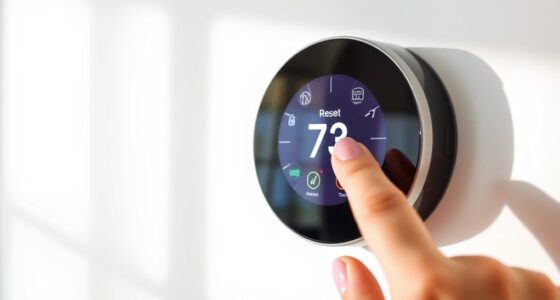
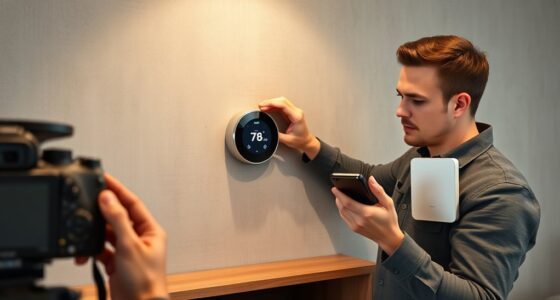
To install a thermostat on your electric underfloor heating, start by choosing a compatible model, preferably wireless for added convenience. Follow the manufacturer’s instructions carefully, making sure you place the thermostat where it accurately reflects room temperature, away from drafts or heat sources. Make secure wiring connections and connect any wireless units to your Wi-Fi network. Proper setup and placement ensure your system runs efficiently, and if you continue, you’ll discover more tips for a perfect installation.

Get home appliances delivered free — and shop member deals
- Fast, free delivery on millions of items
- Access to Prime Big Deal Days deals on October 6–7
- Prime Video, Amazon Music and more included
Key Takeaways
- Ensure compatibility of the thermostat with your electric underfloor heating system before installation.
- Follow manufacturer instructions carefully for correct wiring and secure connections.
- Install the thermostat in a location that accurately reflects room temperature, avoiding drafts or heat sources.
- Connect wireless thermostats to Wi-Fi according to setup guidelines for remote control functionality.
- Configure programmable settings post-installation to optimize comfort and energy efficiency.
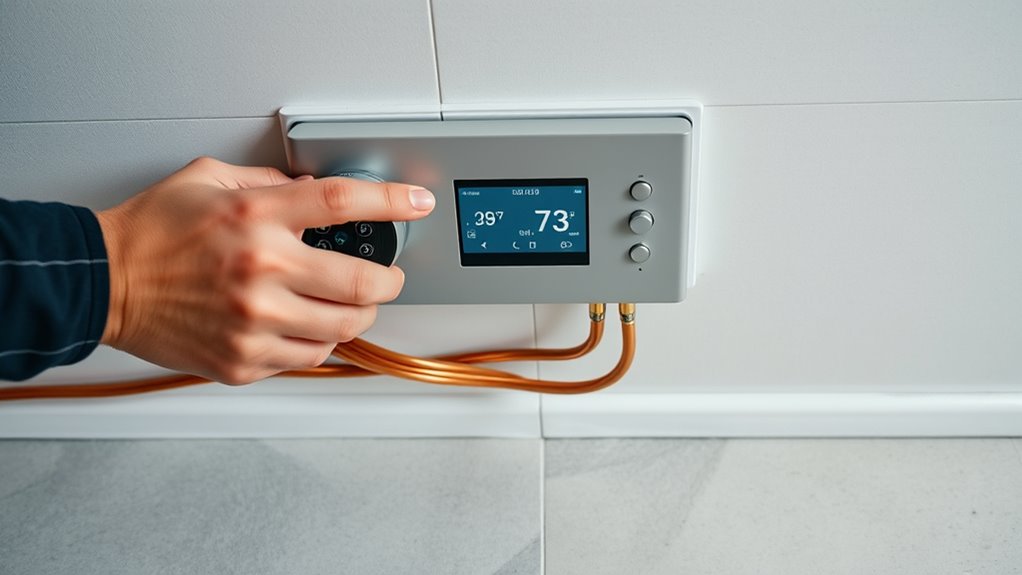
Installing a thermostat on your electric underfloor heating system is a essential step to guarantee efficient and comfortable operation. A well-chosen thermostat allows you to control the temperature precisely, ensuring your space stays cozy without wasting energy. When selecting a thermostat, consider one with wireless compatibility, which offers convenience and flexibility. Wireless-enabled thermostats let you adjust your heating settings remotely via smartphone or tablet, freeing you from the need to access the thermostat physically. This feature is especially useful if your system is installed in a hard-to-reach area or if you want to make quick adjustments while away from home.
A wireless thermostat offers remote control and flexible temperature management for your underfloor heating system.
Programmable settings are another fundamental feature to look for. They allow you to set specific temperature schedules based on your daily routine. For example, you can program the system to warm up the room before you wake up and turn down the heat during work hours or overnight. This automation helps you save energy by avoiding unnecessary heating when you’re not home or sleeping, while still providing comfort when needed. When installing a thermostat with these features, make sure it’s compatible with your underfloor heating system, and follow the manufacturer’s instructions carefully. Proper installation ensures reliable operation and maximizes energy savings.
Before mounting the thermostat, plan its location thoughtfully. It should be installed in a spot that accurately reflects the temperature of the room—avoiding areas near drafts, direct sunlight, or heat sources like radiators. The placement influences the thermostat’s ability to maintain a consistent and comfortable temperature. Once installed, connect the thermostat to your heating system, ensuring all wiring is secure and correctly configured. If your thermostat is wireless, connect it to your home Wi-Fi network, following the device’s setup instructions. This connectivity enables remote control and integration with smart home systems if supported.
After installation, take time to customize the programmable settings to match your lifestyle. Set your preferred temperature levels for different times of the day, and adjust the schedule as needed. Regularly check the system’s operation to ensure it’s functioning smoothly, and update the firmware if updates are available. By installing a thermostat with wireless compatibility and programmable features, you gain full control over your electric underfloor heating, making your space more energy-efficient and comfortable. Proper setup and configuration allow you to enjoy consistent warmth, save on energy costs, and benefit from modern automation that adapts to your daily routines.
Frequently Asked Questions
Can I Install a Thermostat Myself or Should I Hire a Professional?
You can attempt DIY installation if you’re comfortable with electrical work, but for safety and proper function, professional assistance is advised. Installing thermostats on electric underfloor heating involves handling wiring and ensuring correct setup, which can be complex. If you’re unsure of your skills, hiring a professional helps prevent mistakes, ensures safety, and guarantees that your system works efficiently. When in doubt, it’s best to seek expert help.
What Safety Precautions Are Necessary When Installing Electric Underfloor Heating Thermostats?
When installing electric underfloor heating thermostats, safety should come first. Always turn off the power before working with electrical wiring, and double-check that the circuit is de-energized. Wear personal protective equipment like insulated gloves and safety goggles to protect yourself from shocks and debris. Use proper tools, follow manufacturer instructions, and make certain all connections are secure. Staying cautious helps prevent accidents and guarantees a safe, successful installation.
How Do I Troubleshoot if the Thermostat Isn’t Controlling the Heating Correctly?
If your thermostat isn’t controlling the heating right, start by checking the thermostat calibration to make certain it’s set correctly. Then, perform heating system diagnostics to identify any faults or wiring issues. Make sure the thermostat’s sensors are clean and properly placed. If problems persist, reset the thermostat or replace the batteries. Regular maintenance can prevent future issues and keep your underfloor heating running smoothly.
Are There Compatibility Issues Between Thermostats and Specific Underfloor Heating Systems?
You might find that compatibility issues can occasionally pop up, especially if your thermostat isn’t designed specifically for your underfloor heating system. To confirm smooth system integration, check the manufacturer’s specifications and compatibility lists. Sometimes, a simple upgrade or adapter can bridge the gap. Always verify that your thermostat and heating system work harmoniously to avoid any unwelcome surprises and enjoy seamless comfort.
How Often Should I Calibrate or Replace the Thermostat for Optimal Performance?
You should calibrate your thermostat at least once a year to guarantee accurate temperature control, especially if you notice uneven heating. Follow the manufacturer’s calibration schedule for specific guidance. Generally, replace your thermostat every 10 to 15 years or sooner if it shows signs of malfunction, such as inconsistent readings or failure to turn on. Regular calibration and timely replacements keep your underfloor heating system running efficiently.
Conclusion
Installing a thermostat on your electric underfloor heating is like giving your home a heartbeat—it keeps everything running smoothly and comfortably. With the right setup, you control your warmth with the ease of flipping a switch. Just follow the steps carefully, and you’ll enjoy cozy floors all year round. Remember, a well-installed thermostat is the key to turning your house into a warm, inviting haven—your personal fireplace without the smoke.
NFL season / tailgating Picks
team gear
As an affiliate, we earn on qualifying purchases.